
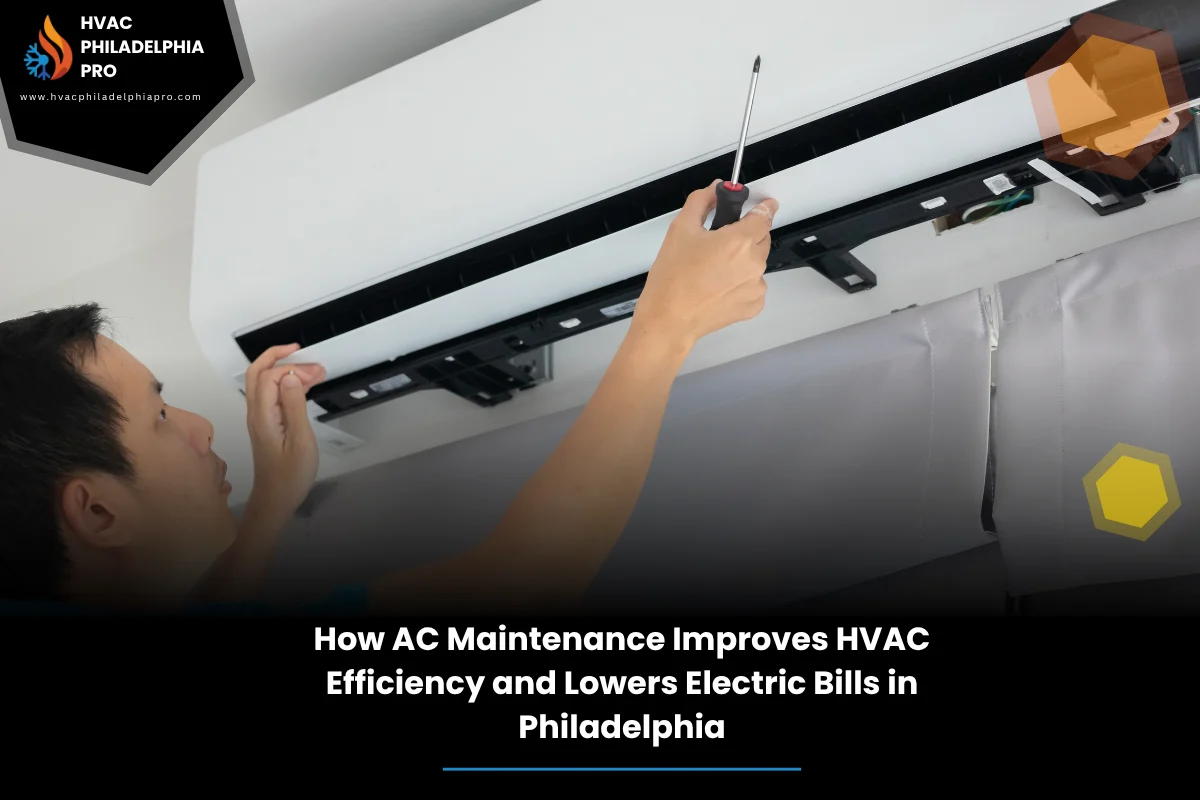
When your air conditioner runs smooth, your whole home feels the difference. Less noise. Better cooling. Lower bills. That comes from steady care, not luck. The heart of it is HVAC efficiency improvement. It means your system moves heat and air with less effort, so it wastes less power and lasts longer. And yes, the small stuff like filters and coils matter a lot.
AC maintenance is not just a spring chore. It is a year-round plan that keeps airflow clear, sensors honest, and parts clean. With the right steps, you can spot small issues before they hit your wallet. Done well, you get fewer breakdowns, safer operation, and a better indoor feel on muggy days. Let’s walk through how tune-ups help, what to do yourself, and when to bring in a pro.
Table of Contents
Quick Summary
Regular AC tune-ups keep the system clean, balanced, and safe. A clean filter lowers strain on the fan. Clear coils move heat faster. Proper refrigerant levels hold steady cooling. Tight wires and good sensors stop short cycling. All of this cuts wasted energy and helps the unit last.
Use a simple plan: check monthly basics, run seasonal tests, and schedule a yearly tune-up before heavy use. In return, you get more comfort at higher summer loads and a lower chance of surprise failures. If you want a deeper dive with step-by-step tasks, look for a complete guide to AC maintenance that covers inspection lists, safety checks, and timing.
Why maintenance boosts efficiency
Think of your AC like a lung. Clogged filters choke it. Dirty coils block heat flow. Loose parts make it work harder than needed. After a full tune-up, the unit restores smooth airflow and heat transfer, which drops runtime and energy use. For a broader walk-through, see the Complete Guide to AC Maintenance in Philadelphia PA for Reliable Home Comfort, which aligns with the core steps discussed here.
Small defects cause big waste. A low refrigerant level cuts cooling power, so the system runs longer. A slow fan or bent fins mess with pressure and temperature balance. Tightening, cleaning, and testing bring the unit back to design intent. That is the simple path to better performance and a lower electric bill with AC maintenance.
What a proper AC tune-up includes
Most solid tune-ups cover five areas. Airflow checks. Temperature and pressure readings. Electrical safety tests. Coil cleaning. Controls and thermostat review. Each part adds up to less friction and steadier output. One detail many people miss is the refrigerant charge. If it is off, efficiency drops hard.
Coil cleaning is more than a rinse. The tech should access and clean the evaporator and condenser surfaces without bending fins. Fan speed and static pressure readings confirm the blower is moving the right air. Sensor and thermostat checks prevent short cycling, which overheats parts and burns power.
[IMAGE: A simple diagram showing filter, blower, evaporator coil, condenser coil, and airflow direction with maintenance touchpoints]
The simple 3-2-1 framework to keep bills down
Use a quick framework to lock in gains. Three monthly basics, two seasonal checks, one pro tune-up each year. It is easy to remember and easy to track on a fridge calendar or phone reminder.
Three monthly basics: change or clean the filter, clear debris around the outdoor unit, and listen for new noises. Two seasonal checks: verify supply and return vents are open and clean, and confirm the thermostat schedule before peak weather. One yearly visit: a full tune-up with measurements to set a baseline for the season. For deeper task lists and timing, see the complete guide on this topic that pairs with this framework.
Philadelphia-specific notes that impact results
City air can carry soot and fine grit. That loads filters faster and sticks to coils. If you live near busy streets or construction, check filters more often than the label says. A cleaner filter reduces strain and keeps rooms cooler with less runtime.
Summer brings damp air. Good humidity control keeps you comfortable at a slightly higher thermostat setting, which saves power. Make sure the condensate drain is clear so the system can pull water from the air. If you use window shades or awnings on south-facing windows, you also cut heat gain and ease the AC load.
When you plan AC maintenance in Philadelphia PA, time your full check before heat waves. If spring pollen is heavy, schedule coil cleaning after peak pollen to keep surfaces clean. For an AC tune up in Philadelphia or broader air conditioning maintenance in Philadelphia, match your schedule to local weather and filter loading. Preventative AC maintenance in Philadelphia should also look at duct sealing in older row homes where leaks are common.
Implementation and when to call a pro
DIY helps, but it has limits. If airflow seems weak, or your bills rise with no clear reason, it is time for deeper tests. A pro can measure pressures, temperatures, fan speeds, and voltage. Those numbers tell the truth. They guide fixes like sealing gaps, recharging refrigerant, and adjusting fan speed for design airflow.
If you want structured help that focuses on measured results and step-by-step checks, see HVAC efficiency improvement. The goal is simple: document baseline data, correct the issues, then verify the gains with a short post-fix test. That makes the savings real, not a guess.
In rentals or multi-unit buildings, ask for shared maintenance plans to align filter cycles and outdoor coil cleaning across neighbors. Consistent care reduces noise complaints and wear on shared electrical circuits.
DIY vs pro: what to do, and when
You can handle simple jobs safely and often. Leave anything with power, refrigerant, or sealed components to a trained tech. The table below shows a quick breakdown of roles and best uses.
| Approach | What you can do | What a pro adds | Best for |
|---|---|---|---|
| DIY | Change filters, clear debris, clean supply and return grilles | — | Week-to-week upkeep |
| Hybrid | DIY basics plus visual coil check and thermostat schedule | Measure pressures, temps, airflow, and electrical | Seasonal prep |
| Pro Tune-Up | — | Full inspection, coil cleaning, filter replacement plan, safety tests, and verified performance | Yearly validation and fixes |
Use this mix to keep the system in balance. Over time, recorded measurements tell you when performance dips and where to look first.
How maintenance cuts kWh: the numbers story
Cooling takes most summer power in many homes. When coils are dirty or airflow is low, the unit runs longer at lower capacity. That hurts both comfort and cost. Clean surfaces and proper charge restore design output so the thermostat reaches setpoint faster with less runtime.
According to the U.S. Department of Energy (2023), proper HVAC maintenance and correct installation improve performance and reduce energy use by keeping components clean and tuned to specifications. U.S. Department of Energy: Central Air Conditioning
Track your bill and runtime after a tune-up. If your smart thermostat logs cycles, compare cooling hours from similar weather weeks. A modest drop in runtime, paired with steady comfort, signals real savings. If you also know your unit’s SEER rating, you can estimate expected kWh and see how close you are after maintenance.
Troubleshooting signs that waste energy
Short cycling, hot and cold rooms, or a musty smell point to issues like a clogged filter, dirty coil, or a slow fan. Fixes are often simple when caught early. Listen for new rattles, feel for weak air at distant vents, and watch for ice on lines.
Water around the indoor unit means a blocked drain. Warm air from vents could be a failed compressor or control fault. Any of these should trigger a pro check with static pressure and temperature readings. Do not wait for a total shutdown.
If your energy bill jumps for two months in a row without a heat wave, do a quick filter change and coil inspection. If that does not help, schedule testing to find the root cause.
FAQ
- How often should I replace my AC filter?
Check monthly and replace when dirty. In homes with pets or city dust, this might be every 30 to 60 days. A clean filter protects the blower and preserves airflow.
- What does an AC tune-up include?
Expect coil cleaning, electrical safety checks, thermostat calibration, airflow and temperature measurements, and refrigerant checks. The goal is safe, efficient, and steady cooling.
- Can AC maintenance really lower my electric bill?
Yes. Clean coils, proper charge, and good airflow reduce runtime. Less runtime means fewer kilowatt-hours. Over a season, that adds up.
- What DIY tasks are safe for homeowners?
Change filters, clear debris around the outdoor unit, clean supply and return grilles, and verify thermostat schedules. Leave wiring, refrigerant, and deep coil service to a pro.
- When should I schedule AC maintenance?
Schedule the full tune-up before peak summer. Do a quick filter check and outdoor clean-up each month during heavy cooling.
- Why does my AC short cycle?
Common causes include a dirty filter, frozen coil, bad sensor, or incorrect thermostat placement. Short cycling wastes energy and should be fixed fast.
Conclusion
Steady, simple care leads to real HVAC efficiency improvement. Clean filters, clear coils, and proper measurements bring your system back to design, so it cools faster with less power. Over time, that means lower bills, fewer breakdowns, and a calmer, more comfortable home.
Keep using the 3-2-1 plan, and compare your runtime and bills after each tune. If you want a deeper skills refresher, review a complete guide to AC maintenance that maps steps and timing from start to finish. Contact HVAC Philadelphia Pro for expert assistance. With the right checks at the right time, your AC stays strong all summer, and your wallet feels the difference.
continue reading
Related Posts
Learn how to choose the right EV charger electrician in Philadelphia for reliable repairs. Get a simple vetting framework, diagnostics, safety tips, and when to repair or replace.
See why hiring an EV charger electrician in Philadelphia is safer than DIY. Learn about load checks, code, GFCI, 240V outlet work, and a simple planning framework.
Learn what really happens with residential EV charger installation in Philadelphia, from panel checks and permits to charger choice, placement, safety, and testing.