
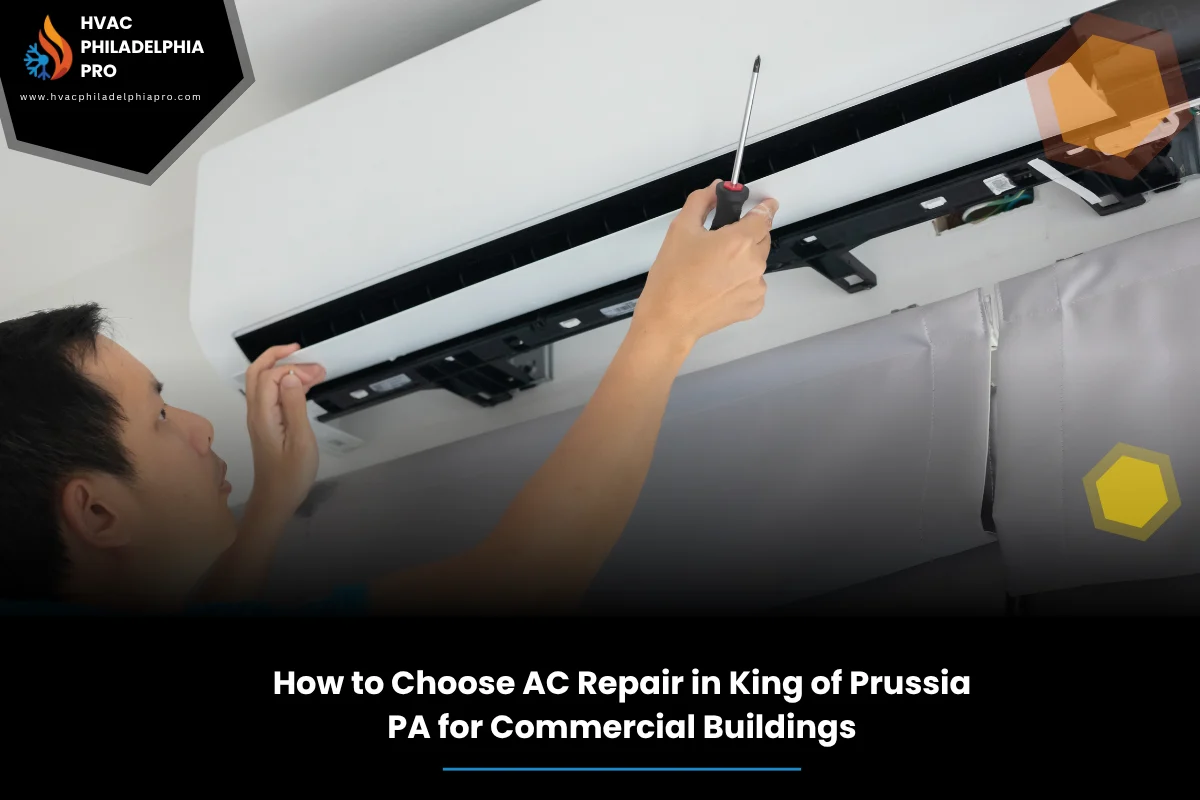
Keeping a commercial building cool is about more than comfort. It protects equipment, staff, and daily operations. The right partner for AC repair in Philadelphia understands uptime, safety, and communication, not just parts and labor. This guide shows how to judge providers with clear, practical checks you can use right away.
AC repair in Philadelphia is the service page most teams reference when they need quick facts about scope, response expectations, and the typical work involved. Use it as a baseline while you build your own selection plan for a commercial site.
First things first: look for steady processes. You want clear diagnostics, documented work, and a prevention mindset. That keeps your system stable during hot weeks and busy seasons. And if things go sideways, fast response with the right parts on hand makes the difference between a small hiccup and hours of lost productivity.
Table of Contents
Quick Summary
Commercial buildings run on reliability. Choose an AC repair partner that proves fast response, strong diagnostics, safe work practices, and clean documentation. Ask how they handle emergencies, stock critical parts, and coordinate with your building team. Look for steady maintenance habits that prevent issues and a clear plan when something breaks.
For a broader foundation on system basics and common fixes, read the Complete Guide to AC Repair in Philadelphia PA for Comfortable Homes and Businesses. Then use the steps below to tailor decisions for commercial needs like uptime, compliance, tenant schedules, and controls integration.
What matters most for commercial AC repair selection
Start with uptime. Ask how the provider limits downtime during and after a failure. Do they triage, stabilize, then return for full repair if parts are delayed? That mindset keeps tenants and operations steady.
Next, judge diagnostic skill. Can they explain root cause in simple words, not just swap parts? A clear test path reduces repeat calls and wasted spend. Ask for sample reports to see how they document faults and fixes.
Finally, communication rules. Who confirms arrival, escalates delays, and signs off? You want one point of contact, written summaries, and photos when needed. Clean handoffs prevent confusion between property managers, tenants, and techs.
Local considerations for King of Prussia PA
Business parks and mixed-use properties here face packed parking, limited loading zones, and rising heat during peak afternoons. That makes local access planning a real factor. Confirm how crews handle site access, security, and after-hours work windows.
Older mid-rise buildings may have limited roof access or tight mechanical rooms. Check ladder safety policy, hoisting plans, and how large parts reach the site. Also confirm vendor rules for the property and mall or campus policies if they apply.
When searching or coordinating across the region, teams often use terms like HVAC repair in Philadelphia PA, AC repair near in Philadelphia, emergency AC repair in Philadelphia, and affordable AC repair in Philadelphia PA to compare options. Use those as reference points, then narrow to providers that truly serve your address and building type.
Response time, uptime, and emergency planning
Ask how the team measures and delivers emergency response. Do they define arrival targets by severity level? A simple priority scale helps everyone set the right expectations.
Confirm parts strategy. Do they stock common contactors, capacitors, belts, and filters on trucks? What is their path to source motors, boards, and refrigerant quickly? Rapid access matters more than a perfect van inventory list.
Redundancy helps too. If your building has multiple units per zone, plan a temporary load shift while waiting on parts. A provider that thinks in stages protects critical areas like data rooms and health-sensitive spaces.
Safety, compliance, and documentation
Look for clear job hazard checks, lockout procedures, and roof safety habits. On refrigerant work, confirm proper handling and leak test practices. These reduce risk for the building and your tenants.
Insist on solid documentation. You need time-stamped notes, installed parts, readings before and after, and photos when helpful. That paper trail supports warranty claims and avoids repeat confusion later.
Ask for sample maintenance logs and typical repair reports. Consistent formats speed up approvals and make audits faster. It also helps future techs understand history in minutes, not hours.
Preventive maintenance and seasonal readiness
Good partners treat fixes and preventive maintenance as one plan. Coils stay clean, filters match equipment needs, belts track properly, and drains stay clear. They also test system capacity and controls before peak heat waves.
Schedule shoulder-season tune-ups. Catch the weak components before summer. When a unit is trending down, a simple early repair costs less than an urgent mid-July failure.
According to the U.S. Department of Energy (2023), routine HVAC maintenance improves efficiency and can reduce energy waste in buildings when combined with proper operations and controls. U.S. Department of Energy: Maintaining Your Air Conditioner
Controls, monitoring, and data for decisions
Controls are central to modern sites. Ask how your provider reads trend logs, checks setpoints, and verifies alarms. A team that understands your BAS avoids guesswork and solves the right problem first.
Set up basic monitoring if you do not have it. Even simple temperature trends and alert thresholds spot slow failures early. Share access so both your team and the provider see the same data.
When the repair is done, confirm how the tech resets alarms and retests sequences. A quick post-fix trend review proves the unit runs as expected under load.
Step-by-step framework to choose your provider
Use this simple selection framework to keep choices clear and fair:
- Define needs by area: critical zones, normal zones, and non-critical zones.
- List equipment types and ages, plus any known problem units.
- Set response targets by severity level with clear examples.
- Ask for sample reports and maintenance checklists.
- Verify parts access plans for common and hard-to-find items.
- Confirm safety procedures and after-hours site access steps.
- Agree on communication rules for arrival, updates, and sign-off.
If you want a quick refresher while you work these steps, skim the complete guide on this topic and then return to tailor your choices for commercial schedules and uptime demands.
Comparison: provider types for commercial buildings
Different provider types fit different needs. Use this table to match your building with the right support style.
| Provider type | Strengths | Trade-offs | Best fit |
|---|---|---|---|
| Local contractor | Fast arrival, flexible scheduling, area familiarity | May have limited specialized parts in-house | Sites needing speed and on-site agility |
| Regional service group | Broader parts network, standardized processes | Scheduling may be tighter in peak seasons | Multi-building portfolios wanting uniform reports |
| Manufacturer service | Deep product knowledge, firmware updates | May focus on their brand first | Sites with many same-brand systems |
RFP checklist for commercial buildings
When you request proposals, keep the ask tight and comparable. Clear specs let you compare apples to apples, not apples to mystery fruit. Use a short list so vendors focus on the most important points.
Include equipment list, service window rules, arrival targets, and repair authorization limits. Spell out reporting format and contacts for routine updates and emergencies.
State your scope of work for maintenance visits, including coil care, drain checks, belt tension, and control verification. Ask for exclusions in writing so there are no surprises later.
Applying residential fundamentals to commercial needs
The big ideas in any complete AC repair guide apply here too: clean airflow, tight electrical, correct charge, and honest diagnostics. Commercial buildings just add layers like tenant schedules, roof safety, and system redundancy.
Use those fundamentals to judge the work you see. If basics look messy, advanced fixes will not stick. Keep your standards clear and steady from the start.
The complete guide to AC repair in Philadelphia for homes and businesses is a helpful foundation, but your building will still need site-specific plans for access, monitoring, and communication.
FAQ
- How fast should a commercial AC repair team respond?
Set targets by severity. For comfort cooling in normal areas, same day is fine. For critical zones or no-cool during peak heat, ask for arrival in hours, not days. Agree on the scale before issues happen.
- What makes a good commercial diagnostic report?
It should include symptoms, tests run, readings, the root cause, the fix, and a simple plan to prevent repeat issues. Photos help confirm the work and reduce back-and-forth.
- How do I reduce repeat breakdowns?
Pair repairs with smart maintenance. Clean coils, right filters, belt checks, and controls testing prevent a lot of callbacks. Trend data and alarm checks catch slow failures early.
- Do I need after-hours access for repairs?
For tenant comfort and safety, yes in many cases. Set rules for keys, escorts, and roof access. Clear steps cut delays when a failure happens at night or on weekends.
- What should be stocked on trucks?
Common contactors, capacitors, belts, fuses, basic sensors, and a range of filters. Larger motors or boards can come from nearby suppliers if the provider has a fast sourcing plan.
- When is replacement better than repair?
If key parts fail often, energy use spikes, or comfort stays poor after proper fixes, plan a changeout. Use lifecycle cost thinking. A stable, efficient unit can save stress and money over time.
- How should communication work during an outage?
One point of contact gives status at set intervals, shares findings, and confirms next steps. Short updates beat long gaps. This keeps managers and tenants aligned.
- What should a maintenance visit include?
Filter checks, coil cleaning as needed, drains cleared, belts inspected, electrical tightened, refrigerant readings verified, and control sequences tested. A brief report should follow each visit.
Conclusion
Choosing the right partner for AC repair in commercial settings takes a steady plan. Focus on diagnostics, safety, reports, parts access, and clear communication. Keep your maintenance proactive, verify results with data, and define response targets before the heat arrives.
If you need a baseline while you plan, reference AC repair in Philadelphia service details, but shape your final choice around the building’s risks and schedules. For practical support that shows up, explains the work, and gets it done cleanly, Contact HVAC Philadelphia Pro for expert assistance. A good partner makes tough days simpler and keeps your site stable all year.
continue reading
Related Posts

Learn how to choose EV charger repair near me with clear safety checks, a simple shortlist framework, and provider comparisons so you can fix issues fast and right.
Power failures can freeze business chargers. Learn fast triage, common faults, and safe fixes for Marlton NJ sites, plus when to use emergency EV charger repair in Philadelphia.
Practical guidance for Springfield PA businesses on EV charging station repair in Philadelphia, with fast triage steps, safety basics, network vs standalone tips, and industry-specific advice.