
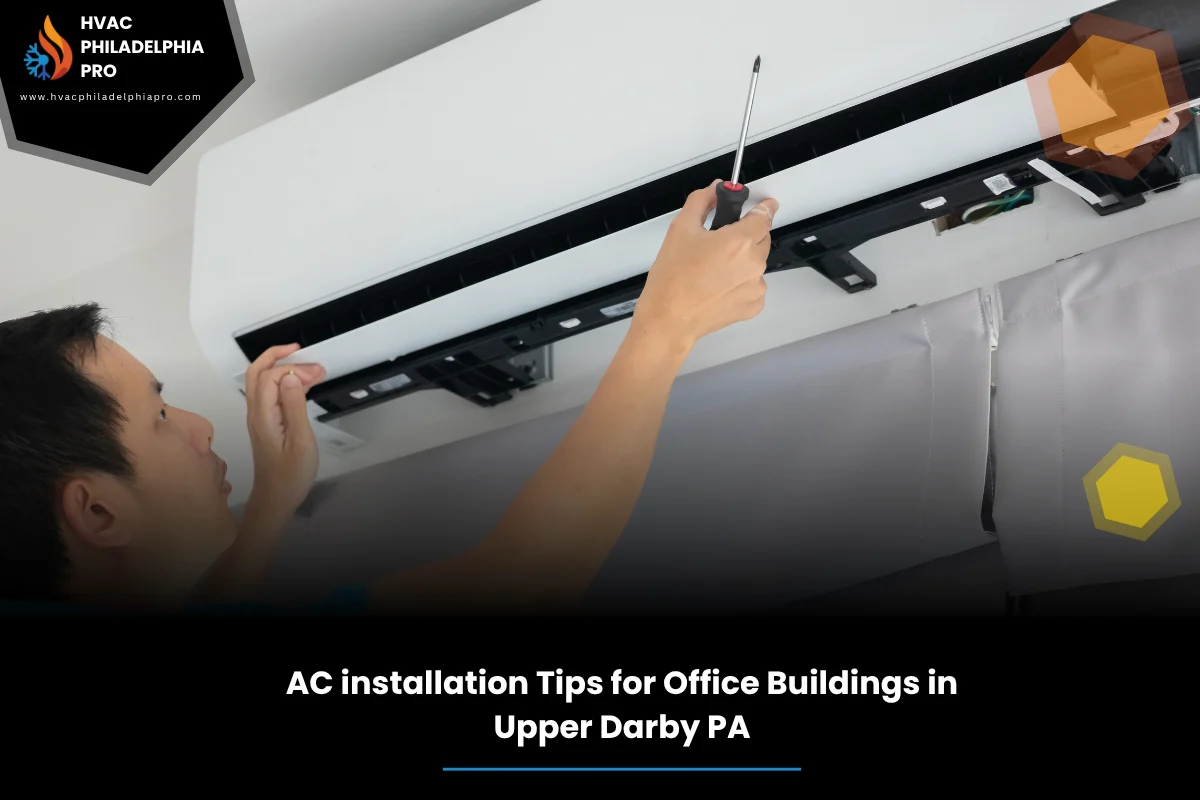
Office cooling is not just about picking a unit and flipping a switch. Open floor plans, glass fronts, crowded rooms, and long run hours change the rules. At HVAC Philadelphia Pro, we see great results when teams plan early, set clear goals, and protect the schedule with tight coordination. Keep your eye on comfort, uptime, and energy, and use a clear design intent to guide every choice.
You will hear people talk about upgrades across the city, but office needs differ from homes. This guide shares what matters most for reliable comfort, clean air, and smooth handoff. We’ll also note how HVAC installation in Philadelphia PA standards affect decisions for buildings and tenants.
If you want specs and service detail for project scoping or to align stakeholders, see HVAC installation in Philadelphia PA for an overview you can share with your team.
Table of Contents
Quick Summary
Successful office air conditioning system installation comes down to a few basics: right sizing, airtight ducts, balanced ventilation, smart controls, and a clean handoff. Start with a simple planning checklist, map room loads by zone, and set target temperatures and humidity ranges your tenants can live with.
Pick a system type that fits your space and budget, then protect the plan with good duct sealing, drain management, and noise control. During start-up, test capacity, verify airflow, and train staff. Much of what appears in the complete guide to AC installation in Philadelphia for home cooling still helps as a baseline, but offices need better zoning and longer-run strategies.
Why Office AC Installations Succeed or Fail
Most office installs hit snags because the team skips discovery or tries to rush duct and control work. Start with a thorough site assessment, confirm power, roof loads, path for ducts, and where condensate will drain. Define zones around how people actually use rooms, not just what the drawings show.
For a home-focused walk-through that still helps you grasp the steps, see the Complete Guide to AC Installation in Philadelphia PA for Reliable Home Cooling and adapt the logic for offices. Many core ideas carry over, like right sizing, airtight ducts, and clean commissioning.
Load Calculations, Ductwork, and Ventilation Basics
Do a proper load calculation before you pick equipment. Count solar gain through glass, people density in meeting rooms, plug loads from computers, and extended hours. Without that, you get short cycling, stale air, and hot spots that never go away.
According to the U.S. Department of Energy (2023), correct sizing and sealed ducts improve comfort and reduce wasted energy. Their guidance also stresses regular filter changes and smart thermostat use for better performance.
U.S. Department of Energy: Central Air Conditioning
Choosing the Right System Type for Offices
Match the system to your building shape, roof access, and tenant schedule. Small suites often work with ducted splits. Larger floors may prefer rooftop packaged units. Multi-tenant offices with mixed needs do well with VRF. Think about service access, part-load efficiency, and how easy it is to expand later.
| System | Best For | Pros | Watch Outs |
|---|---|---|---|
| Ducted Split | Small offices, suites | Low upfront cost, simple service | Limited zoning, indoor noise if not isolated |
| Rooftop Packaged | Medium buildings with roof access | Saves indoor space, easier replacement | Crane access, roof curb coordination |
| VRF/VRV | Multi-zone floors, mixed-use | Excellent part-load, flexible zoning | Higher cost, needs skilled setup |
When comparing choices, treat VRF advantages around zoning and part-load control as a long-term play, not a quick win. Much like the complete guide to AC installation in Philadelphia homes explains, sizing and duct quality still decide comfort.
Humidity and IAQ Control in a Humid Climate
In a humid season, temperature is only half the battle. Plan for steady dehumidification, balanced outside air, and filtration matched to your use. Conference rooms load heavy with people and need faster air changes than open desks.
For HVAC installation for humid climate setups, keep supply air dry enough to hold 40 to 55 percent RH under load. Confirm condensate routes are clean and trapped, and insulate cold surfaces to stop sweating. This prevents mold, odors, and ceiling stains.
Right-size outside air with code and occupancy, then trim intake using schedules so you do not bring in more humidity than needed after hours.
Smart Controls, Zoning, and Scheduling
Controls decide how your system feels day to day. Use sensible zoning that splits open areas, glassy perimeters, and enclosed rooms. Add occupancy sensors to drop setpoints when rooms empty, and pre-cool before peak hours instead of overcooling all day.
Lock basic setpoint ranges to avoid thermostat wars but give tenants a small window to tweak. Tie alerts to filters, drains, and rooftop unit faults so issues get fixed before complaints start. Good logic reduces runtime and keeps humidity in range.
Whatever system you choose, the control story must match load patterns or your savings on paper never show up in real life.
A Simple 7-Step Office AC Installation Framework
Use this repeatable outline to keep projects calm and on track. It pairs well with the deeper context in the complete guide on this topic so your team sees both the why and the how.
- Kickoff meeting: Confirm goals, zones, schedule, and noise limits.
- Survey and layout: Verify roof loads, electric, pathways, and access.
- Load and selection: Size equipment, pick ducts and diffusers, plan ventilation.
- Install and seal: Place units, seal ducts, insulate, and set drains.
- Controls and wiring: Mount sensors, program logic, and label circuits.
- Start-up and balance: Test airflow, measure temperatures, and set setpoints.
- Punch list and training: Fix small issues and train staff with checklists.
Document everything. Clear notes, photos, and labels help the next tech fix fast and avoid downtime.
Local Factors for Upper Darby PA Offices
Older buildings may have tight shafts, low ceilings, or limited roof access. Plan crane time early and confirm curb sizes. Coordinate with neighbors for deliveries. Treat permit coordination as part of the schedule, not an afterthought, and align inspections with key milestones.
If your portfolio also handles home cooling system replacement in Philadelphia, remember that office zoning and run hours differ a lot. The same goes for energy efficient AC installation in Philadelphia plans: office control logic and ventilation targets are stricter and impact tenant comfort more than in homes.
Use local weather norms to tune setpoints and humidity plans, then update schedules seasonally. Keep spare filters and belts on site to cut response time.
Commissioning and Handover Essentials
Commissioning is where comfort becomes real. Plan functional performance testing with real loads when you can. Log supply and return temps, airflow by zone, and dehumidification under typical use. Fix rattles, verify drains, and label panels and breakers.
Train staff on filter changes, setpoint rules, and alarm meanings. Provide a simple binder with contact info, model numbers, and maintenance intervals. As the pillar-level home guide shows in a different context, a clean handoff prevents callbacks and keeps tenants happy.
FAQs
- How is office AC sizing different from home systems?
Offices see higher people density, more glass, and longer hours. That means higher latent and sensible loads, so sizing needs to reflect real use. Rooms like conference spaces need more airflow than open desks, and ventilation targets change the outcome.
- Do we need special controls for meeting rooms?
Yes. Use scheduling, occupancy sensing, and CO2 triggers for fresh air. This lets the system ramp up only when rooms fill, then drop back down after. It cuts noise, saves energy, and keeps humidity in range.
- What is an economizer and is it worth it?
An economizer uses cool outdoor air to reduce mechanical cooling when conditions allow. In shoulder seasons it can save a lot. It needs proper sensors, commissioning, and maintenance to deliver those savings without causing humidity or comfort issues.
- How do we control noise from rooftop units?
Use rubber isolation, correct curbs, and lined ducts. Keep supply and return paths smooth and avoid sharp turns near occupied areas. Balance fans and check for loose panels during start-up, then verify in a walkthrough with tenants.
- What should be in the training handoff?
Include filter sizes, belt sizes, a controls cheat sheet, contacts, warranty steps, and basic troubleshooting flow. Short videos or photos help new staff learn. A simple binder on site reduces mistakes and speeds up fixes.
- How do we verify air is reaching each zone?
Have a tech measure airflow at diffusers and compare to the design. Then adjust dampers and fan settings. This is called air balancing, and it prevents hot and cold spots and keeps noise down.
- Can we phase the work to limit downtime?
Yes. Stage equipment, pre-build ducts, and cut over by zone. Work after hours for noisy tasks, and keep a spare unit or portable cooling ready for critical rooms like IT closets.
Conclusion
Great office cooling is a chain of small wins: careful sizing, sealed ducts, smart controls, and a clear handoff. Protect those steps and you protect comfort, uptime, and bills. Keep a short plan, update it as conditions change, and track results with simple post-install monitoring so drift never sets in.
Use these tips to guide choices and set standards your teams can repeat. If you need deeper specs, code notes, or coordination details tied to regional standards, look back to the broader context of HVAC installation in Philadelphia PA as you plan. Contact HVAC Philadelphia Pro for expert assistance.
continue reading
Related Posts
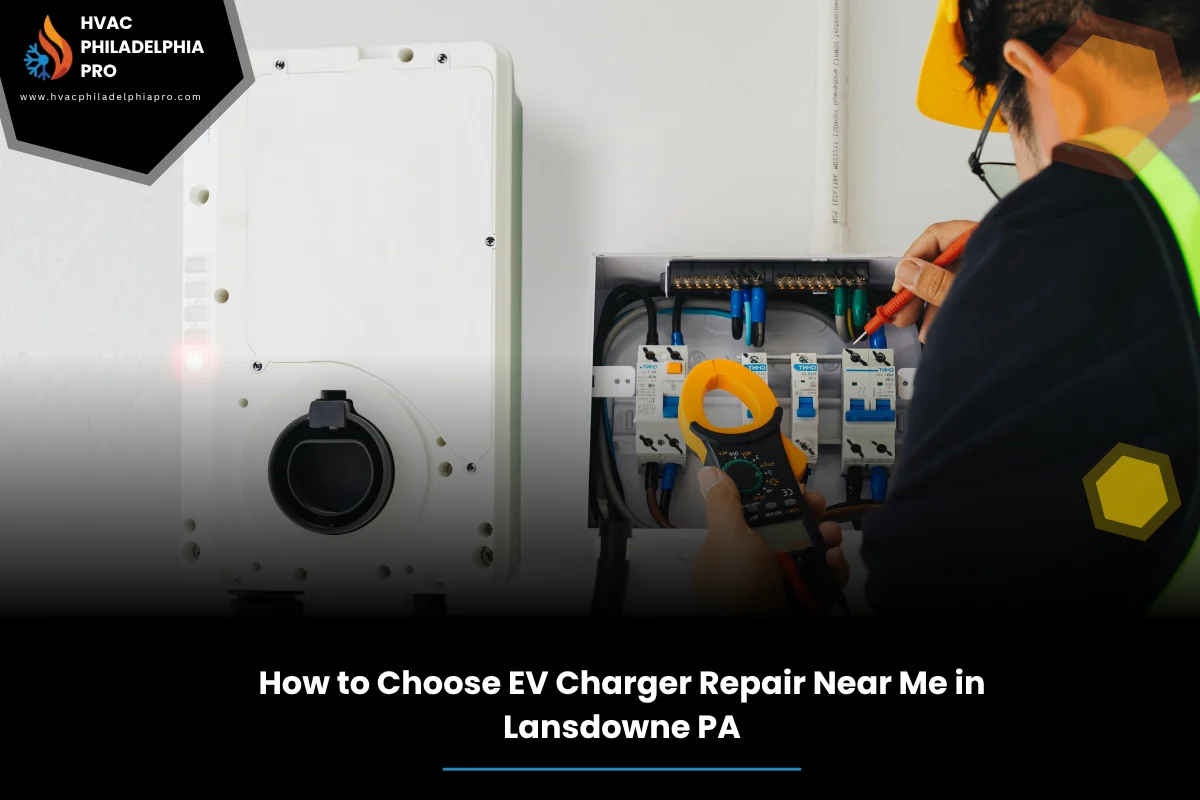
Learn how to choose EV charger repair near me with clear safety checks, a simple shortlist framework, and provider comparisons so you can fix issues fast and right.
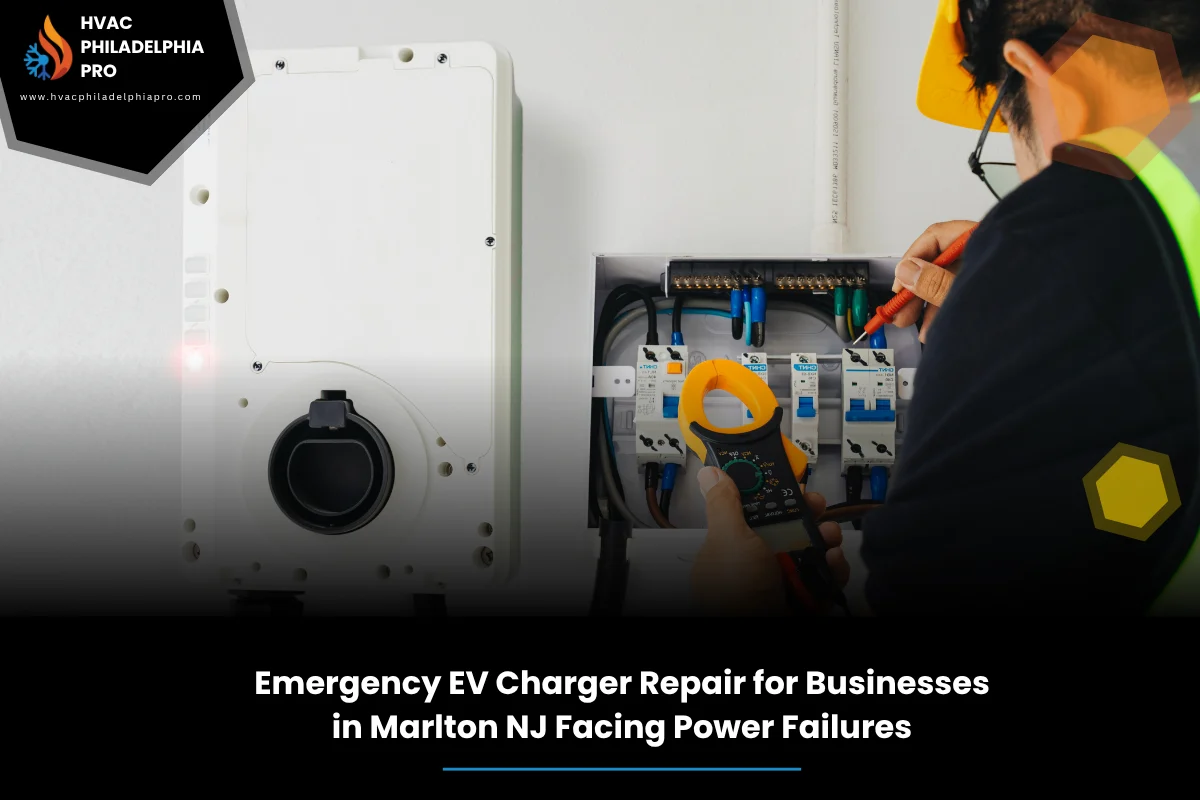
Power failures can freeze business chargers. Learn fast triage, common faults, and safe fixes for Marlton NJ sites, plus when to use emergency EV charger repair in Philadelphia.
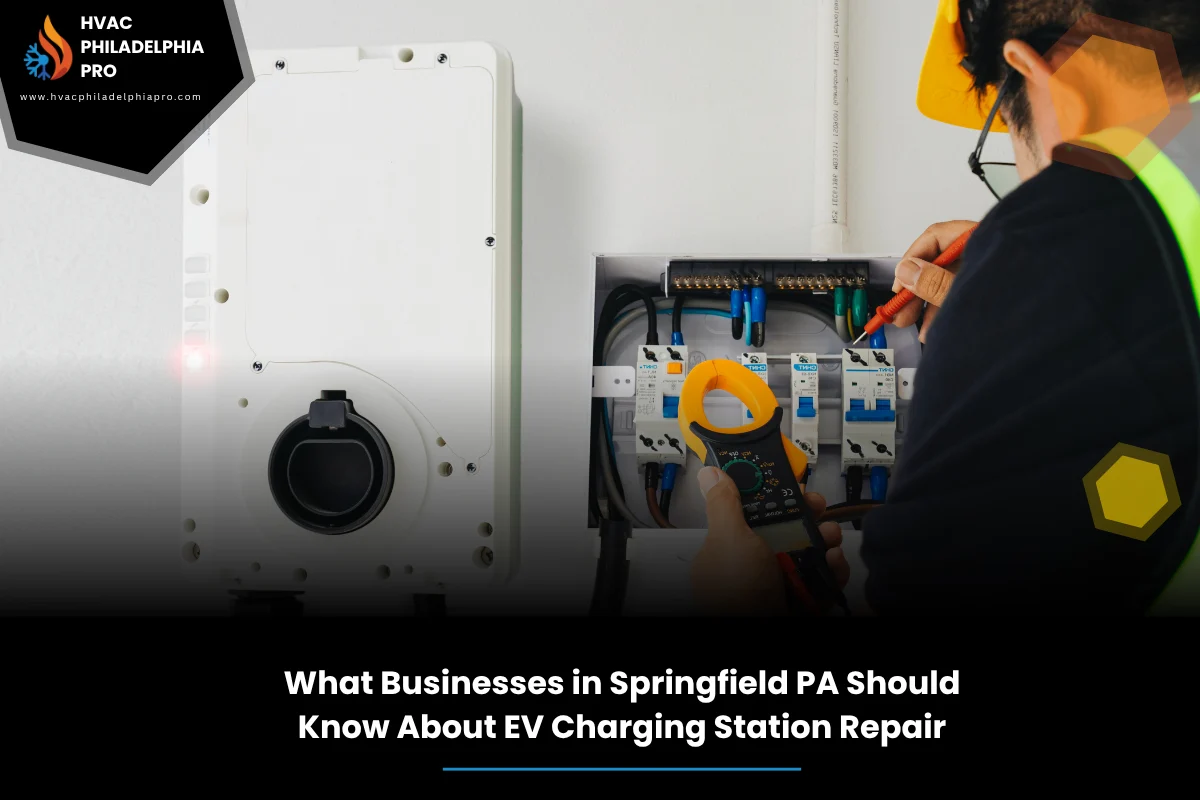
Practical guidance for Springfield PA businesses on EV charging station repair in Philadelphia, with fast triage steps, safety basics, network vs standalone tips, and industry-specific advice.