
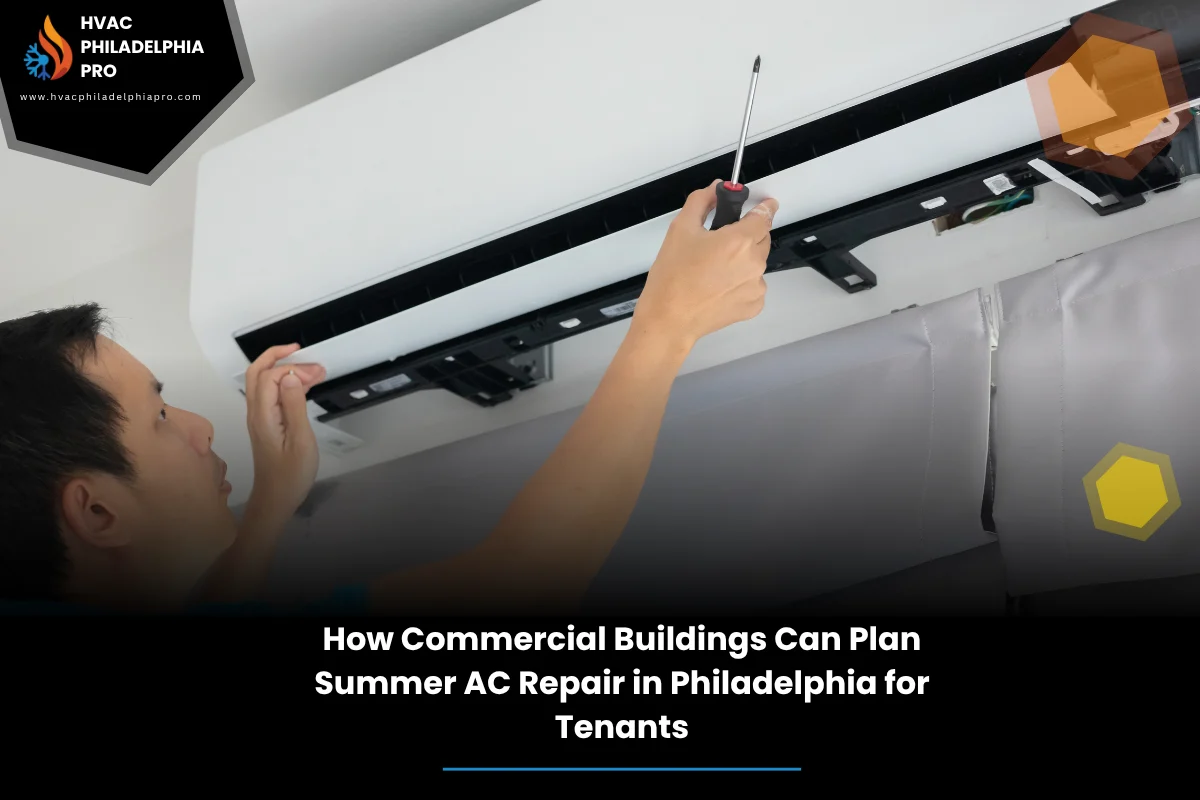
When the heat rolls in, tenants judge a building by how cool and steady the air feels. Planning for summer AC repair in Philadelphia is about timing, clear steps, and calm updates. With the right plan, you cut surprises, keep people safe, and protect your equipment when demand spikes.
Use the early spring window to map systems, gather service history, and stage common parts. If you do need help during peak season, learn how to schedule summer AC repair in Philadelphia without disrupting key tenants. Keep the focus on comfort, uptime, and simple next steps, not guesswork.
You can lean on building engineers, ops teams, and vendors. And when a day gets messy, the team at HVAC Philadelphia Pro can support a plan that fits your site and your tenants. No drama. Just solid prep and fast decisions.
Table of Contents
Quick Summary
Commercial buildings need a proactive plan before heat waves arrive. Start with a building-wide review. Rank issues by risk to people and business. Build a simple schedule that fits tenant peak hours. Communicate early and often. Stage parts, confirm vendor coverage, and track lead times. Balance comfort with clean air and energy control. Document results for next season.
This guide keeps intent educational and neutral. It supports the broader topic found in a complete guide to AC repair in Philadelphia PA, while staying focused on planning for tenants in busy buildings.
Start with a building-wide summer readiness review
Walk each system and create a baseline inspection: air handlers, package units, chillers, pumps, controls, dampers, belts, filters, drains, and sensors. Note noise, vibration, short cycling, hot spots, and any alerts. Log model numbers and past repairs. Flag units that serve mission critical spaces first.
If you want a deeper dive into repairs, see the Complete Guide to AC Repair in Philadelphia PA for Comfortable Homes and Businesses. It pairs well with this planning playbook and helps teams align on terms and steps.
Prioritize repairs with a simple risk matrix
Not all issues carry the same weight. Use a small risk matrix to rank work by impact and urgency. High-traffic lobbies, data closets, healthcare suites, and food prep zones demand faster response. Open office warm spots may wait a day if needed. Share the matrix so tenants see clear logic.
Here is a quick comparison to guide choices when time is tight:
| Option | When to Choose | Pros | Tradeoffs |
|---|---|---|---|
| Repair Now | Unit is serviceable and parts are on hand | Fast comfort restore, lower cost | May not fix age-related failures |
| Plan Replacement | Frequent failures or major components aged out | Reliability, efficiency, warranty | Lead time, coordination, higher cost |
| Temporary Cooling | Critical area cannot wait for parts | Immediate relief, protects operations | Rental logistics, power needs, noise |
Framework: a 6-step schedule for summer readiness
Use this 6-step framework to plan around tenant hours and weather. Keep it simple and repeatable so your team can run it each year without a scramble.
Step 1: Map zones and rank critical spaces. Step 2: Block maintenance windows on a live calendar. Step 3: Stage parts and tools by floor. Step 4: Confirm vendor on-call coverage. Step 5: Share outage notices 48 hours ahead. Step 6: Close out with checks and photos.
For a fuller view of diagnostics and common fixes, tap the complete guide on this topic so your team and vendors speak the same language on site.
Keep tenants informed and calm during outages
Comfort dips feel worse when people do not know what is happening. Build a clear tenant communication plan. Share what work is scheduled, why it matters, when it starts, and how long it should last. Offer simple tips: close blinds, slow non-critical equipment, and use local fans.
Post live updates in lobby boards or email groups. For longer outages, set up a comfort station on the floor with water and portable fans. Promise an update time and meet it, even if the news is “still in progress.” Trust grows when updates stay steady.
Coordinate vendors, permits, and parts lead times
Supply chains can stretch. Track lead times for motors, boards, contactors, belts, filters, and refrigerant. Confirm delivery windows and plan safe storage near the work area. If a crane or road permit is required, start the paperwork early and keep a backup date ready.
Share a one-page work plan with vendors: scope, access path, shutoff locations, lift plans, disposal rules, and cleanup standards. Short briefs speed the job and reduce mistakes in tight downtown sites.
Balance energy savings with comfort and IAQ
Hot days tempt overcooling, which drives bills up. Tune setpoints, stage compressors, and steady fan speeds so you do not chase temps. Keep a close eye on ventilation and filtration to control CO2 and odors. Find the sweet spot where air feels fresh and costs stay sensible.
According to the U.S. Department of Energy (2023), regular HVAC maintenance helps systems run efficiently and lowers energy use without sacrificing comfort. U.S. Department of Energy: Maintaining Your Air Conditioner
Plan for heat waves and emergencies
Extreme days need a separate playbook. Pre-stage contingency cooling like spot coolers for server rooms and high-density areas. Test circuits and outlets ahead of time. Keep spare filters, belts, and a refrigerant log ready. Assign duty shifts to cover late afternoons when loads spike.
When an outage hits, triage fast: protect critical zones first, then wide tenant areas, then back-of-house. Log each action, time, and result so the next shift picks up cleanly.
Verify work and document for next season
Always finish with commissioning basics: check supply and return temps, verify airflow, test controls, and confirm drain lines. Capture photos of nameplates, replaced parts, and panel wiring. Update your asset list and add notes on what worked and what did not.
Your records feed faster fixes next year. They also support planning choices in a complete guide to AC repair in Philadelphia PA, which helps teams align repair depth with long-term goals.
FAQ
- How early should a commercial building plan summer AC work?
Start 8 to 10 weeks before consistent 80-plus days. This gives time for inspections, parts orders, tenant notices, and scheduling.
- What is the best way to reduce downtime during repairs?
Schedule work in off-hours, stage parts on-site, and use a risk matrix. Temporary cooling can bridge critical spaces during a long repair.
- How do I handle warm spots that keep coming back?
Check airflow, dampers, sensors, and load changes. Balance the system, then track temps for a week to confirm the fix holds.
- When should I replace instead of repair?
If failures are frequent, energy use is high, or parts are obsolete, plan a replacement during mild weather with a clear timeline.
- Do filters and coils really affect comfort that much?
Yes. Dirty filters and coils cut airflow and heat transfer, which makes spaces warm and units work harder. Keep them clean.
- What should I tell tenants before a planned outage?
Share the reason, start time, duration, floors affected, and tips to stay comfortable. Promise an update time and follow through.
- Can I save energy without upsetting tenants?
Use steady setpoints, smart scheduling, and proper ventilation. Communicate goals so tenants know comfort remains the priority.
- Who should sign off after a repair?
Have a building engineer verify temps and controls. Capture photos and notes, then close the ticket with time, tasks, and parts used.
Conclusion
Good planning turns stressful heat into a routine project. Map your systems, rank risks, and keep tenants in the loop. Stage parts, confirm vendor coverage, and document every fix. With this approach to summer AC repair in Philadelphia, you protect comfort and budgets, even on the hottest days.
If a complex job lands at once, keep your plan steady. Contact HVAC Philadelphia Pro for expert assistance. Together we can keep your building cool, safe, and ready for the next wave of heat.
continue reading
Related Posts
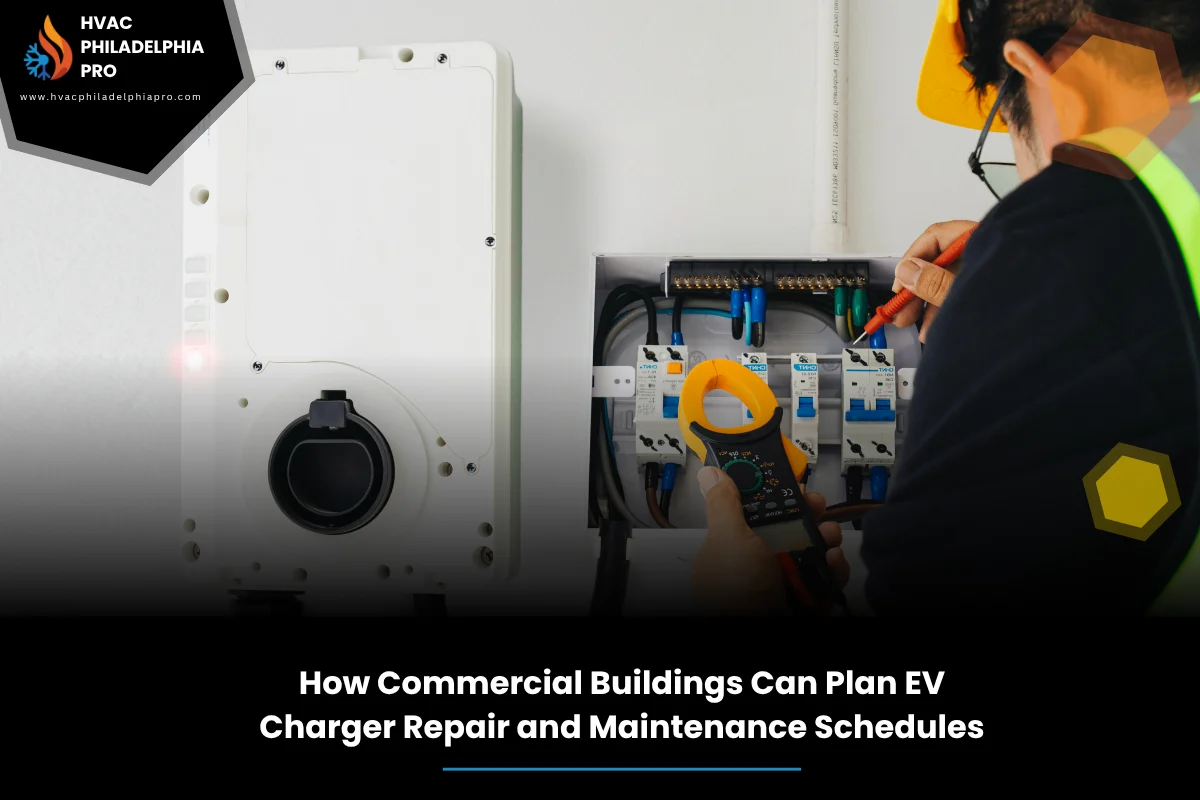
Learn how to build a simple, reliable plan for EV charging station repair in Philadelphia. Map assets, schedule checks, track data, and handle faults fast to keep uptime high.
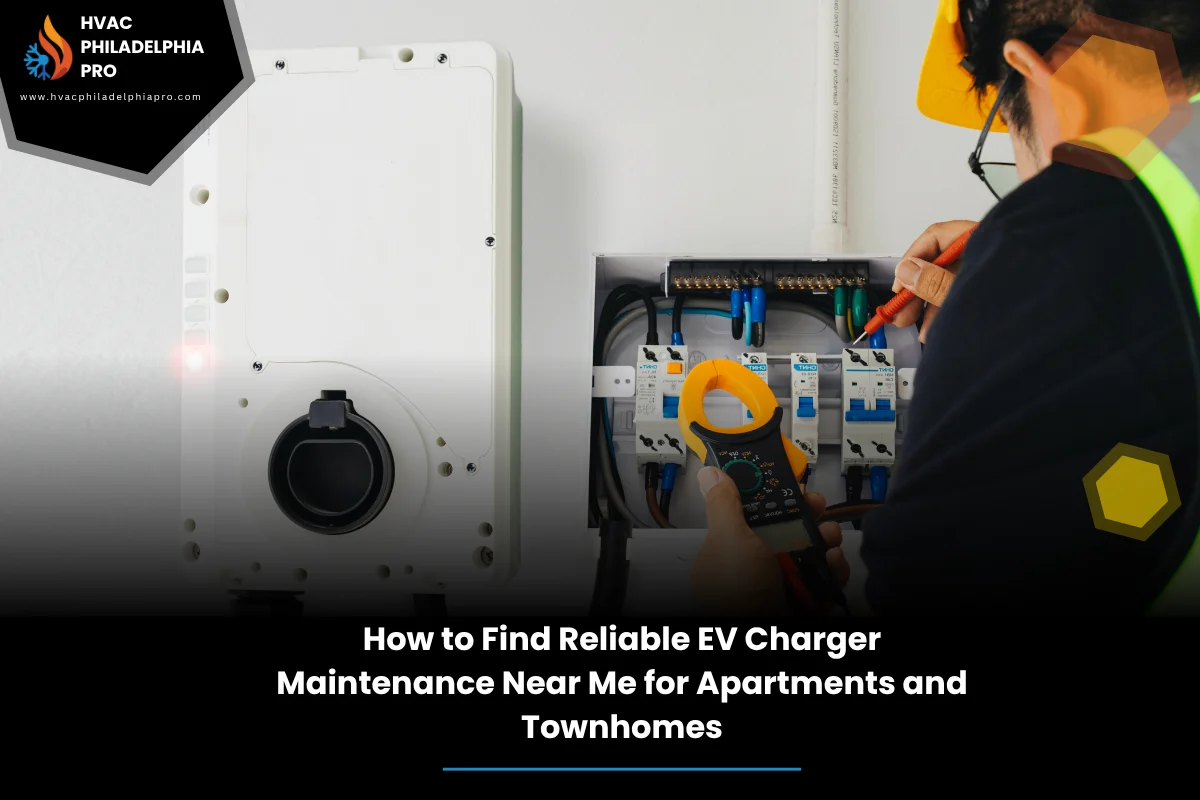
Learn how to choose and manage EV charger maintenance near me for apartments and townhomes. Get checklists, a simple A-C-T framework, and tips for uptime and safety.