
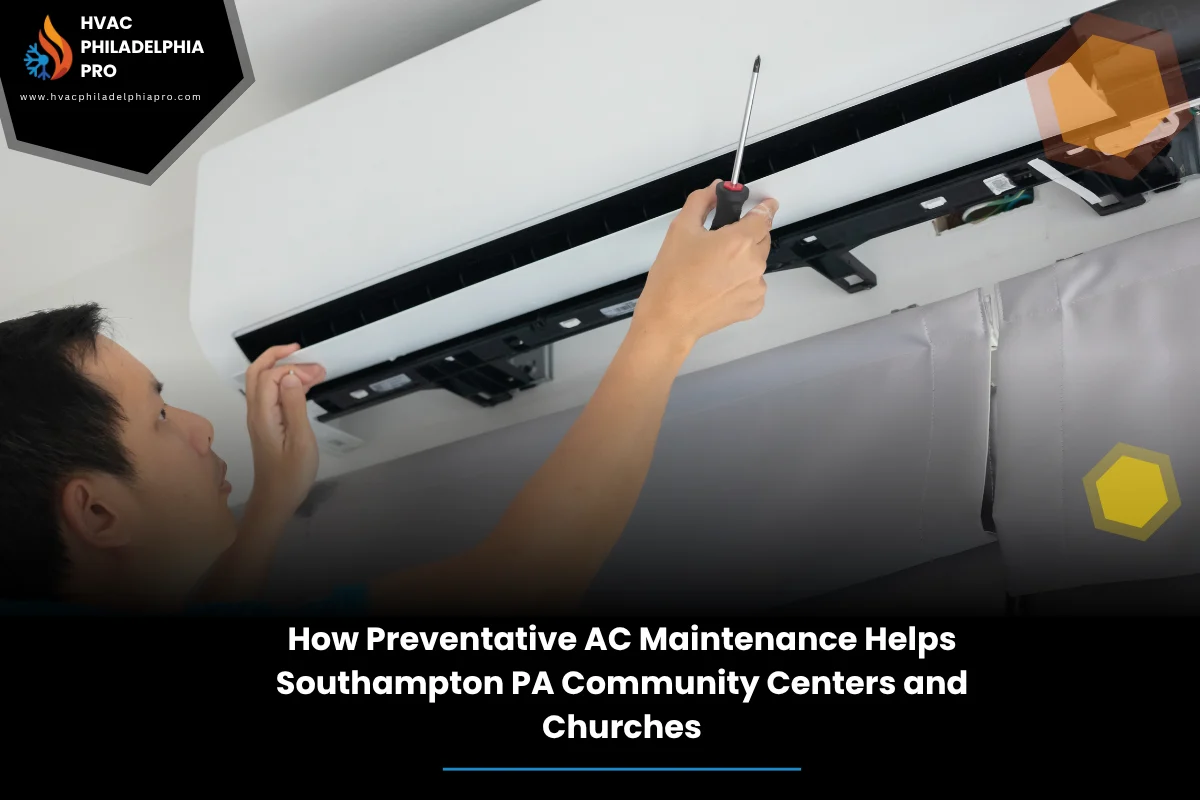
Busy gathering spaces need steady comfort without huge energy bills. That starts with preventative AC maintenance in Philadelphia, even when your site sits just outside the city. In places like fellowship halls and gyms, small issues grow fast. At HVAC Philadelphia Pro, we see it every summer: clogged filters, worn belts, and sensors out of tune. A thoughtful plan keeps services on schedule, kids active, and seniors safe in the heat.
This guide shares simple steps and checklists built for community centers and churches. We cover what to do before the first heat wave, what to watch during peak season, and how to plan for the long run. You will also find a quick comparison of preventive vs reactive care, plus staff-friendly habits that help systems last longer and run quieter.
Table of Contents
Quick Summary
Community spaces face tough loads: big rooms, changing crowds, and long run times. Plan for airflow, filtration, and fast checks after events. Track a few key readings weekly. Do a spring tune-up, a mid-season check, and a fall review. For deeper background on home-focused routines that still apply to small facilities, see the Complete Guide to AC Maintenance in Philadelphia PA for Reliable Home Comfort. Those basics, like inspections and cleaning, carry over to shared buildings with a few extra steps.
Make one person the point contact. Keep a simple log. Fix small issues early. And build a short list of priority parts and filters to keep on hand for busy weekends and holiday services.
Why Community Centers and Churches Stress AC Systems
Large open rooms and sudden crowd spikes strain airflow. Doors open often. Choir rehearsals, basketball nights, and daycare hours drive long runtimes. Without a routine seasonal tune-up, coils foul up, pressures drift, and comfort slips. Guests notice right away when the sanctuary feels stuffy or the gym floor gets slick in humid weather.
Ventilation also plays a role. Bring in too much hot, damp air and the system fights moisture all day. Bring in too little and the room feels stale. Balancing these inputs takes small, regular adjustments and eyes on the data you collect each week.
Southampton PA: What Local Centers and Churches Should Watch
Summer days feel warm and sticky, while evenings can still draw crowds to events and services. Older buildings may have patchy insulation and mixed window types. A plan that pairs filter care with zoned cooling helps, especially if you run classrooms, offices, and a hall on different schedules.
Focus on tight door timing during busy arrivals, good floor-level airflow around pews and seating, and quick checks after any large event.
A Simple Framework Your Staff Can Follow
Use this monthly rhythm. It keeps tasks small and steady, and it prevents weekend surprises.
- Before summer: schedule a pro check, clean coils, confirm refrigerant levels, and test thermostats.
- Weekly: inspect filters, check condensate drains, scan thermostat logs, and listen for new noises.
- After big events: clear return grilles, verify setpoints, and note any hot spots for follow-up.
- Mid-season: do a quick maintenance checklist revisit to catch drift in airflow or humidity.
- End of season: document what worked, what failed, and what to budget for next year.
If you want deeper step-by-step details on tasks like filter sizing and coil cleaning timing, see the complete guide on this topic. It aligns well with small-facility routines when you scale up frequency and log everything.
Summer and High Humidity Priorities
Moisture makes rooms feel hotter and can warp instruments or floors. Keep filters fresh, confirm drain lines are clear, and schedule targeted coil cleaning early in summer. If your hall smells musty, check outdoor air dampers and verify fans are moving the right amount of air.
Track humidity with a simple digital meter near seating areas and near the stage or court. If readings trend high in the afternoon, review occupancy timing, door habits, and ventilation settings.
Preventative vs Reactive: What Works Best for Shared Spaces
Quick view of strategies. Use this to explain choices to your board or building team before peak season hits.
| Approach | What it includes | Best fit | Pros | Risks |
|---|---|---|---|---|
| Preventative | Planned inspections, cleaning, small part swaps, logs | Steady schedules and frequent events | Stable comfort, fewer breakdowns | Needs planning time |
| Reactive | Run to failure, fix when broken | Rarely used spaces | Lower short-term spend | Event-day failures, higher long-term cost |
Operations and Monitoring That Make a Difference
Two habits save the most energy: set realistic temperature targets and check airflow weekly. A short maintenance log with date, filter condition, thermostat readings, and any hot or cold spots will reveal patterns within a month.
Walk the building with your log after a major program. Note propped-open doors, blocked returns behind banners, and rooms that recover slowly. These clues point to easy wins like moving chairs, clearing vents, or tweaking schedules.
When to Bring in Professionals
Call a technician when humidity stays high even with good filters, when you see ice on lines, or when breakers trip. If your board wants a neutral baseline on system health, book an preventative AC maintenance in Philadelphia visit to document issues and set a service rhythm that fits your calendar.
During that visit, ask for airflow measurements, a parts life list, and quotes for optional upgrades like smarter controls or dampers. A short report lets you plan workdays and budgets without guesswork.
FAQ
- How often should we change filters in busy seasons?
Check monthly and change as needed. In heavy use, that can mean every 4 to 8 weeks, depending on size and dust load.
- What is the difference between an inspection and a tune-up?
An inspection checks condition and safety. A tune-up adds cleaning and adjustments to improve performance and reliability.
- Where should we place thermostats in large halls?
Keep them away from direct sun, doors, and supply vents. Aim for a central wall near typical seating height.
- Do we need special filters for a church with a choir?
Often a higher MERV filter helps, but check system limits so static pressure stays within spec. Balance filtration with airflow.
- What causes water around the indoor unit?
Likely a clogged condensate drain or pan. Clear lines and confirm proper slope. If leaks continue, call a pro.
- How can we tell if we need an AC inspection in Philadelphia?
Uneven cooling, new odors, short cycling, or rising bills are signs. Schedule an inspection before a packed weekend.
- Is summer HVAC maintenance in Philadelphia different for older buildings?
Older spaces may need more airflow checks, sealing, and gentle ramp-ups to avoid stressing equipment.
- Can staff handle basic air conditioning maintenance in Philadelphia?
Yes, for filters, drains, and visual checks. Leave electrical tests, refrigerant work, and deep cleaning to licensed techs.
Conclusion
Shared spaces thrive on steady comfort and simple routines. By setting a clear schedule, logging basic checks, and fixing small issues early, your center or church avoids last-minute stress. When you pair those steps with smart help as needed, preventative AC maintenance in Philadelphia turns into a calm habit rather than a scramble.
Use the ideas here alongside the broader principles you would see in a complete guide to AC maintenance in Philadelphia for reliable comfort. Keep filters ready, track humidity, and plan mid-season reviews. If you want a second set of eyes or need help getting started, contact HVAC Philadelphia Pro for expert assistance.
continue reading
Related Posts

Learn how to choose EV charger repair near me with clear safety checks, a simple shortlist framework, and provider comparisons so you can fix issues fast and right.
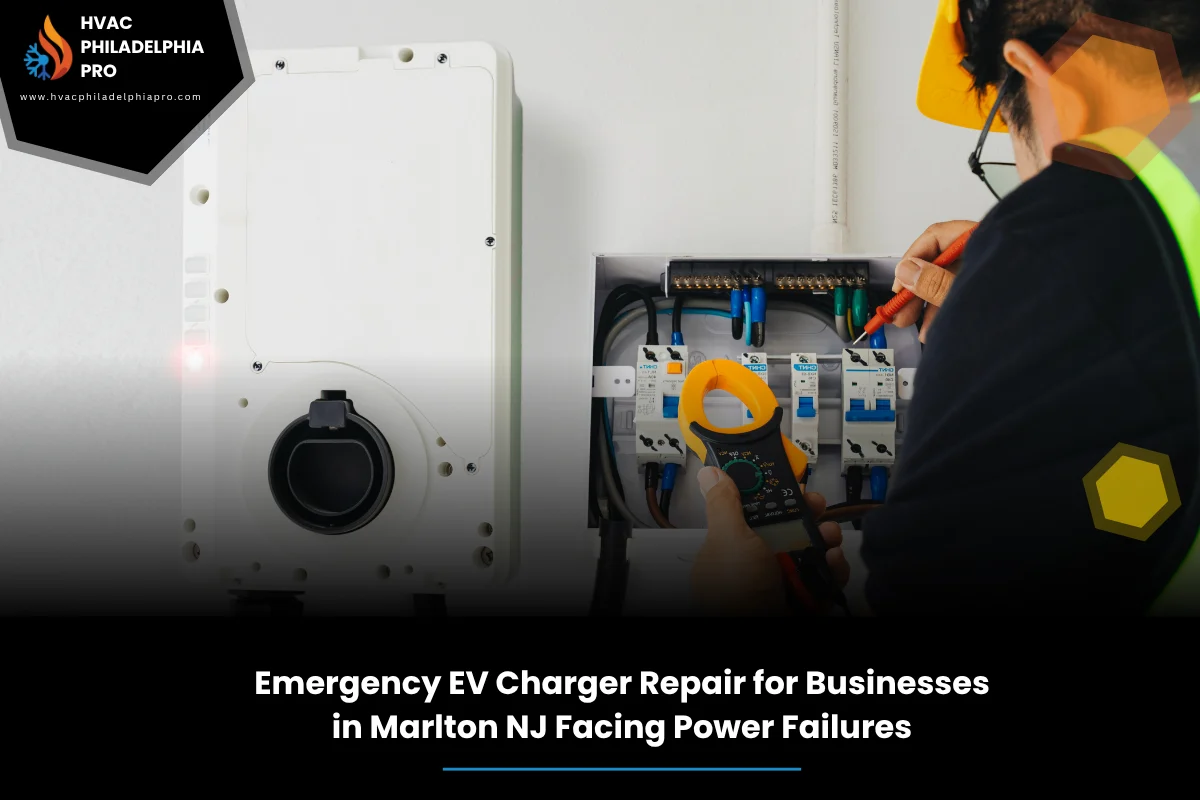
Power failures can freeze business chargers. Learn fast triage, common faults, and safe fixes for Marlton NJ sites, plus when to use emergency EV charger repair in Philadelphia.

Practical guidance for Springfield PA businesses on EV charging station repair in Philadelphia, with fast triage steps, safety basics, network vs standalone tips, and industry-specific advice.