
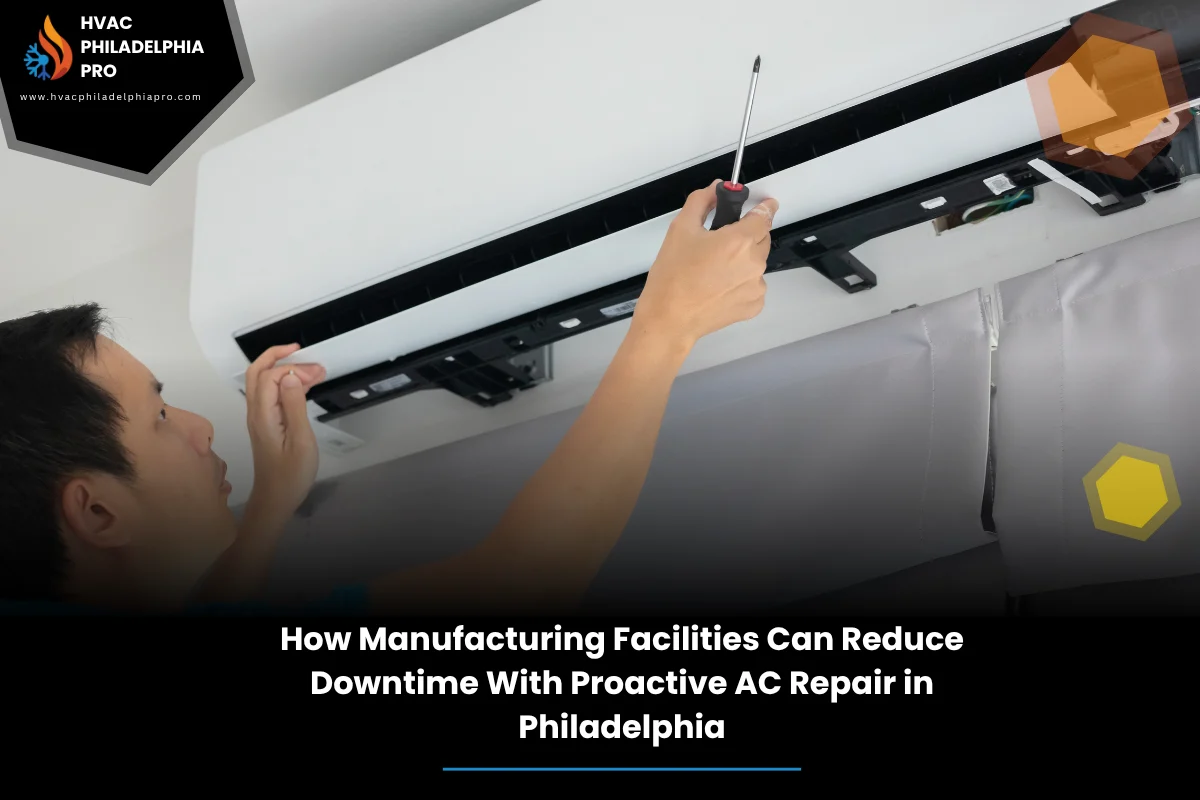
When production stops because a chiller trips or an air handler fails, costs rise fast. The good news: you can cut those stops with a practical plan for AC care that fits your plant. With help from HVAC Philadelphia Pro and a clear workflow, teams can move from constant firefighting to steady control. When you plan HVAC repair in Philadelphia PA with the line’s needs in mind, you lower risk and keep output steady.
Think in terms of proactive maintenance that targets the equipment most likely to cause a halt. Map cooling loads. Watch trends. Stock smart. And set quick response rules. This guide walks through simple steps that plant managers, maintenance leads, and supervisors can use to prevent AC-caused downtime without slowing the line.
When issues go beyond in-house scope or you need fast field support, it helps to know where to turn for trusted help with HVAC repair in Philadelphia PA. Keep this link handy for urgent needs and coordinated repairs that fit your schedule.
Table of Contents
Quick Summary
Downtime from AC failures hits output, labor, and product quality. The fix is a steady, plant-first approach that blends monitoring, cleaning, targeted part swaps, and fast escalation paths. Start with asset mapping and risk ranking. Build a 30-60-90 plan to stabilize, optimize, then extend intervals. Track a few KPIs tied to uptime, not just spend.
Focus on the assets that cool production-critical steps and finished goods. Standardize spares that fail most. Use sensors where data pays back. Set response tiers for hot days and night shifts. Keep communication tight with operations so maintenance can book planned downtime without surprise stops. You will also find more background in the company’s complete guide to AC repair for homes and businesses, which supports the broader topic your facility sits within.
Why Downtime From AC Failures Hits Production Hard
AC and process cooling do more than keep people comfy. They stabilize machines, hold tolerances, protect raw inputs, and preserve finished goods. One fan motor or valve can drag a whole line down. Understanding common failure modes helps you plan the right checks and parts.
For a deeper primer on signs, schedules, and safe practices across systems, read the Complete Guide to AC Repair in Philadelphia PA for Comfortable Homes and Businesses. It gives broad context that pairs well with the plant-focused tactics below.
The Core Idea: From Reactive Fixes to Preventive Care
Reactive repairs wait for a breakdown. That shreds schedules. Preventive care makes small moves before parts fail. Think coil cleaning, belt checks, contactor inspections, and filter swaps. Use modest tasks to block big stops. Center your plan on preventive maintenance and time it to production windows.
Predictive steps can add value too. Basic sensors on temperature, vibration, and pressure can flag drift early. But you do not need a full IIoT rollout to win big. Start small, lock in wins, then scale.
Map Critical Cooling Loads on the Line
Not all tons of cooling are equal. List each AC, RTU, chiller, pump, and air handler. Tag which assets cool machining, curing, packaging, and storage. Rank them by risk to output. This is your heat map of critical cooling loads.
For each high-risk asset, note failure signs, average time to repair, spare parts on hand, and who can approve a quick stop. Tie this to your CMMS so work orders match real risk, not just a calendar.
Choose a Proactive Maintenance Rhythm that Fits the Plant
Pick intervals that match runtime and environment. Dusty zones, oily mist, and outdoor RTUs need tighter rounds. Align tasks with shift changes or planned micro-stops. A clear maintenance cadence keeps teams on track and avoids surprise shutdowns.
Build a simple checklist: filters, coils, contactors, belts, bearings, drains, sensors. Add notes for acceptable ranges. Keep it short and clear so techs move fast and log clean data that you can trust.
Build a Parts and Sensor Playbook for Faster First-Time Fixes
Stock what fails most: capacitors, contactors, belts, fan motors, and common control boards. Standardize models where possible to shrink SKUs. This is your parts standardization plan. Label bins, set min-max levels, and audit monthly.
Layer a few smart sensors for discharge air temp, suction pressure, and vibration on key fans or compressors. Use trending, not just alarms. Light-touch predictive monitoring finds drift before it becomes a breakdown, buying you a calm window to fix it.
Framework: 30-60-90 Proactive AC Repair Plan for Plants
Use this simple 30-60-90 plan to cut downtime without overhauling your process on day one. It builds momentum, proves value, and scales with confidence.
Days 1–30: Stabilize. Map critical assets. Clean coils and replace filters on top-risk units. Verify airflow and electrical connections. Set quick response tiers for after-hours calls. For more fundamentals that complement this framework, see the complete guide on this topic.
Days 31–60: Optimize. Add sensors on two to three bottleneck assets. Standardize two spare part types. Tighten checklists. Align work windows with production. Review early data trends and adjust intervals.
Days 61–90: Extend. Expand sensors to the next high-risk assets. Set vendor escalations for complex repairs. Train operators to spot early signs. Lock in a quarterly review with ops to keep improvements rolling.
Philadelphia-Specific Considerations for Manufacturing Sites
Summer heat spikes and shoulder-season swings push systems hard. Plan for a heat wave contingency with temporary cooling options and extra filters. Keep condenser coils clean during pollen bursts. When storms hit, check drains and roof curbs to prevent water damage and nuisance trips.
In real life, teams often need AC help on short notice. That is where searches like AC repair in Philadelphia, emergency AC repair in Philadelphia, same day AC repair in Philadelphia, or even AC repair near in Philadelphia come up. Use these when you need quick backup, but keep your internal plan in charge so urgent calls do not derail production.
Compare Approaches: Reactive vs Proactive vs Predictive
Choose the mix that fits your budget, staff, and asset criticality. This table helps frame the trade-offs for your plant.
| Approach | How It Works | Impact on Downtime | Cost Profile | Best Use |
|---|---|---|---|---|
| Reactive | Fix after failure | High, unplanned stops | Low routine, high emergency | Non-critical assets |
| Proactive | Scheduled cleaning and checks | Lower, planned micro-stops | Moderate, predictable | Most production assets |
| Predictive | Trend sensors and condition data | Lowest, early intervention | Higher upfront, targeted | Critical bottlenecks |
KPIs to Track and Prove Downtime Reduction
Pick a few numbers and stick with them. Track unplanned AC-related downtime hours per month, mean time between failures, and first-time fix rate. These maintenance KPIs show if the plan works without drowning you in data.
Add a simple quality tie-in: scrap or rework tied to temperature or humidity drift. Tie costs to production hours saved to show real value. Review monthly with ops and adjust your cadence.
Root Cause, Not Repeat Calls
When something fails twice, pause and dig in. Use quick root cause analysis tools like 5 Whys or a fishbone sketch. Check power quality, airflow restrictions, control settings, and sequence of operations. Permanent fixes beat quick swaps that kick the can down the road.
Log findings in your CMMS with a short sentence that a new tech can understand. Attach photos of the fix and the name of the person who confirmed it.
Team Roles and a Simple RACI
Clear roles stop confusion during a hot day. Write a one-page RACI so everyone knows who runs point, who approves a stop, and who calls vendors. Keep RACI simple: Operations is consulted, Maintenance is responsible, the Plant Manager is accountable, and Safety is informed.
Post it near the maintenance board and add it to shift handoff notes. Train new hires on the quick version in week one.
Escalation and After-Hours Protocols
Set tiers: on-shift techs first, then on-call lead, then vendor escalation. Fast escalation paths cut guesswork when heat loads peak at night. Keep a short script for calls so the right parts, tools, and access are ready on arrival.
Run a quarterly drill. Ten minutes of practice often saves hours during a real event.
- How often should we service rooftop AC units in an industrial setting?
Start with quarterly checks for filters, coils, drains, belts, and electrical connections. Increase frequency for dusty or oily environments, or for units that support critical production steps.
- What sensors give the best early warning on key units?
Discharge air temperature, suction pressure, and fan vibration are simple and effective. They flag drift early and help plan a quick fix during a planned stop.
- How do we decide which assets get predictive monitoring first?
Pick the units that cool bottleneck processes or protect high-value inventory. Rank by impact on output and past failures, then start there.
- What spare parts should we always have on hand?
Common capacitors, contactors, belts, fan motors, and a few control boards for your standard models. Review usage monthly and adjust stock to your top failure patterns.
- How can we schedule maintenance without hurting production?
Align short tasks with shift changes or micro-stops. Bundle longer work during planned downtimes. Coordinate with operations weekly so no one is surprised.
- When should we call for outside support?
Bring in help for complex controls, refrigerant issues, warranty-related work, or when your team is at capacity. Have escalation rules and contact info ready.
- What if heat waves push loads beyond our system’s design?
Use temporary cooling, reduce non-critical heat loads, and tighten setpoint bands. Keep extra filters ready and confirm condenser coil cleanliness before peak days.
Conclusion
A steady plan for AC care can turn surprise stops into short, planned windows. When you anchor work around high-impact assets, keep spares ready, and watch a few data points, you protect throughput without bloating the schedule. Tie wins to simple KPIs and share results with operations.
As you refine your plan, keep the broader ideas from the company’s complete guide to AC repair in mind. And when a job needs more hands or deeper skill, reach out for continuous improvement support while keeping your team in the lead. Contact HVAC Philadelphia Pro for expert assistance. This approach keeps your focus on production while aligning every step with smart, reliable HVAC repair in Philadelphia PA.
continue reading
Related Posts

Learn practical steps for EV charger troubleshooting in Philadelphia. Keep distribution centers moving with safe triage, common fault cues, and when to call emergency help.
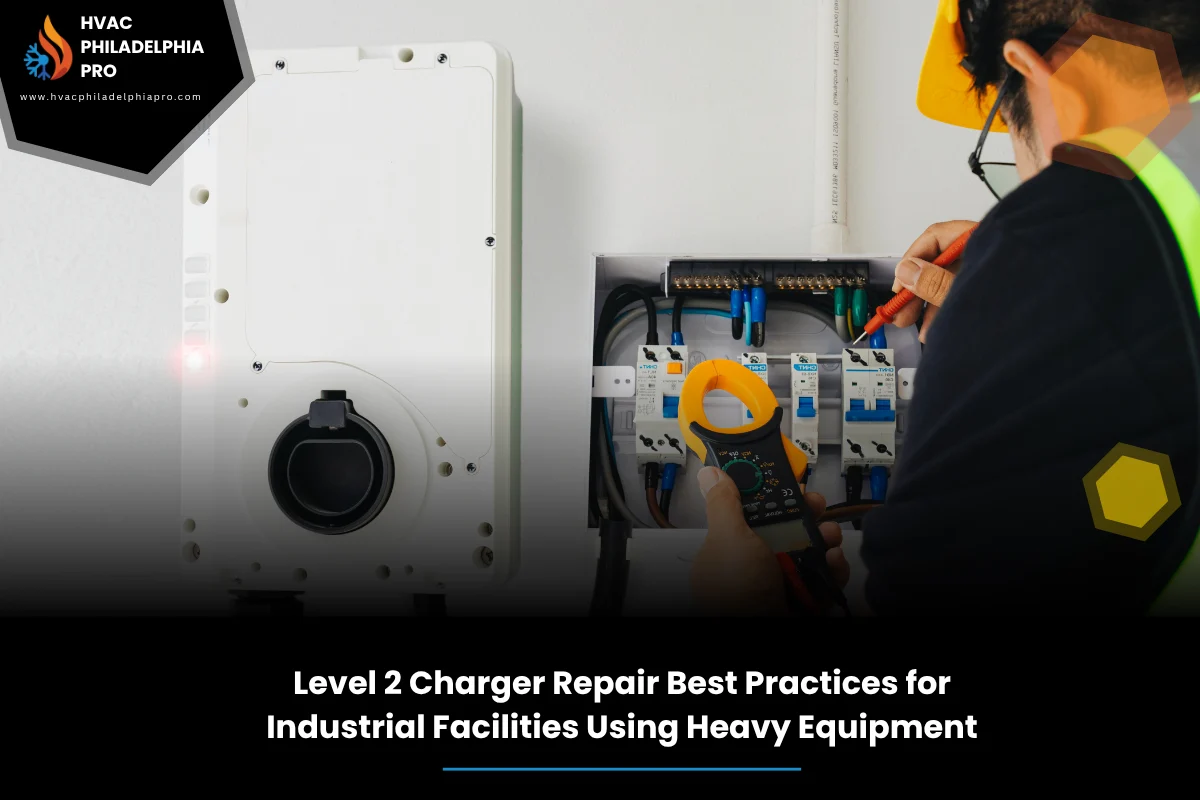
Learn Level 2 charger repair best practices for industrial sites using heavy equipment. Get safe workflows, diagnostic steps, breaker tips, and maintenance plans.

A clear plan for EV charging station repair in Philadelphia keeps manufacturing fleets moving. Learn failure modes, a root-cause workflow, parts to stock, safety steps, and a repair path that cuts downtime.