
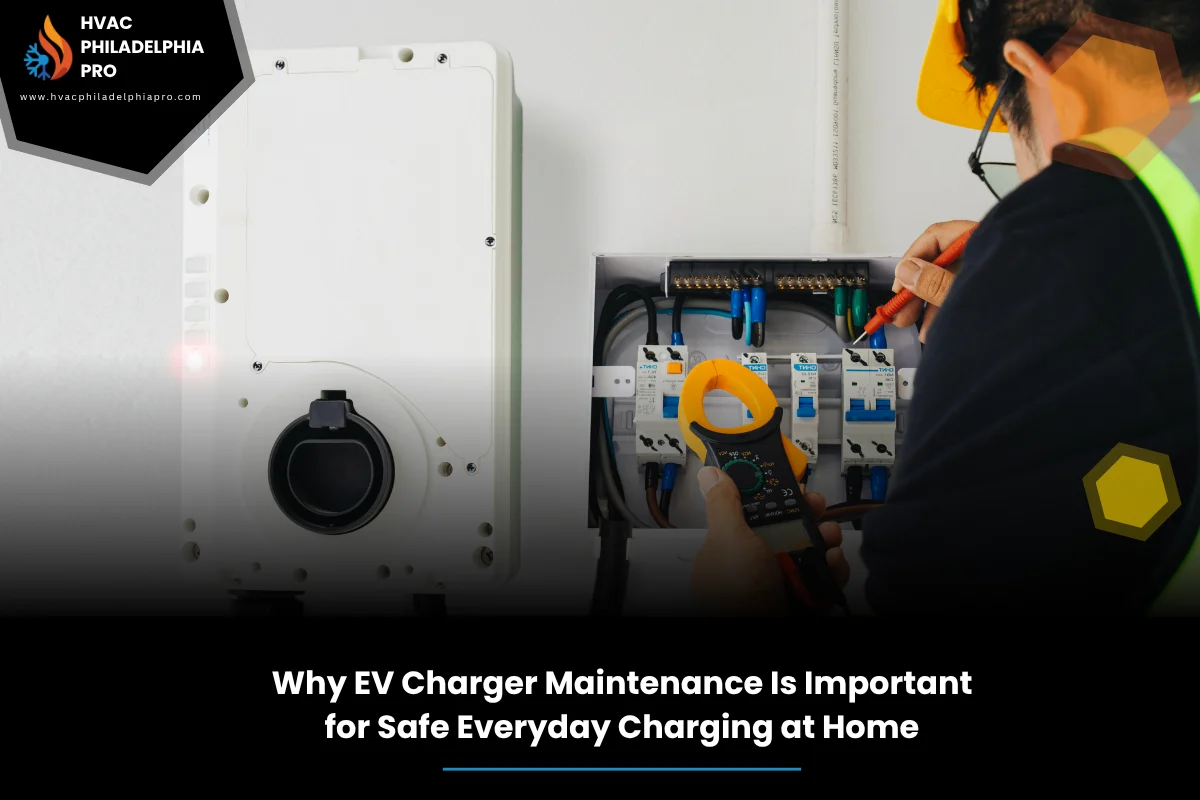
Home charging should feel simple: plug in, wake up to a full battery, and go. The truth is, small issues can build up in the background. That’s why EV charger maintenance is important for safe, steady charging day after day. A little care now prevents bigger problems later and keeps your setup ready when you need it most.
HVAC Philadelphia Pro supports homeowners and small buildings with electrical and safety checks across everyday systems. If you want a quick overview of why EV charger maintenance is important, think of it like a tune-up for a high-power appliance. You’re confirming wiring is tight, connectors are clean, and safety devices trip as designed. That’s practical preventive maintenance that protects your vehicle, your panel, and your home.
Table of Contents
Quick Summary
EV chargers work hard. They move a lot of current for long periods, and they do it silently. Dust, heat, moisture, and loose connections can creep in and cause slow charging, tripped breakers, or worse. A short, regular routine backed by a yearly check by a qualified pro keeps things smooth. That’s the core of preventive maintenance: find small faults before they become big ones.
In short, regular visual checks, cable care, and testing safety features make everyday charging safer and more reliable. If you want deeper detail, the complete guide to EV charger maintenance in Philadelphia PA expands on timing, tools, and pro testing methods you can expect during a visit.
What Regular Maintenance Actually Covers
At its heart, EV charger care is about three things: safety, performance, and lifespan. A routine visit looks at the charger body, cable, connector, wall mount, nearby outlets, and the circuit back to your panel. It also confirms ground fault protection works and checks for heat at lugs and terminals. For step-by-step depth, see the Complete Guide to EV Charger Maintenance in Philadelphia PA for Reliable Home Charging and compare it with your own notes.
According to the U.S. Department of Energy, home charging equipment should be installed by qualified electricians and periodically checked for wear, proper operation, and correct circuit capacity to support safe charging. Alternative Fuels Data Center: Charging at Home
Common tasks include cleaning the connector, inspecting the cable jacket, confirming wall anchors are tight, verifying correct amperage settings, and testing the device’s built-in GFCI. During this check, a pro may also measure voltage under load to catch hidden drop or electrical safety checks you can’t see.
Safety Features That Need Attention
Modern chargers include layers of protection. The most important include ground fault protection, temperature monitoring in the plug or handle, and load control settings that match the circuit. If any of these fail, you may see nuisance trips or, worse, overheating.
Good maintenance confirms these features still act fast and within limits. A quick GFCI test, a look at the connector pins for browning, and verifying the breaker size and wire gauge match the charger’s configured current can prevent hidden risks.
Risks of Skipping Care and Early Warning Signs
Skipping care can lead to poor contact in the handle, scorched pins, or a cable that runs too hot when coiled. You might notice slower charging, warm smells, buzzing at the panel, or random restarts. These are classic early warning signs that the system needs attention.
If the breaker trips often, if the connector feels loose, or if you see tiny cracks in the cable jacket, pause charging and schedule a check. Catching heat and wear early protects your vehicle’s inlet and your home wiring.
The EV Charger Maintenance Checklist (Philadelphia Ready)
Use this simple EV charger maintenance checklist as a starting point. Aim to do the first five items monthly, and the rest quarterly or twice a year.
– Visual sweep: charger body, bracket, and cord for cracks, rust, or loose hardware. – Cable care: wipe the jacket, look for nicks, avoid tight coils. – Connector check: inspect pins for debris or discoloration; clean gently if needed. – GFCI test button: confirm instant trip and reset. – Drip loop: ensure the cable hangs so water can’t run into the charger. – Panel label: confirm the breaker is labeled and matches charger settings. – Ventilation: keep the area clear for airflow and away from chemicals. – Firmware: update charger software if your model supports it. – Logs: note charge times, any trips, and temperature alarms if available.
How Often to Schedule EV Charger Inspection and Testing
For most homes that charge daily, plan a professional check once a year. Heavy use, hot garages, or outdoor units may warrant a six-month schedule. If you live in a shared building, coordinate with management so common electrical rooms are accessible for EV charger inspection and testing.
If you search for EV charger inspection in Philadelphia, you’ll see many recommend a yearly test and torque of terminals. That rhythm lines up well with seasonal weather swings and helps with documentation if warranty issues ever arise.
Framework: 5-Step At-Home Check You Can Do Safely
Use this simple step-by-step check once a month. Power stays on for steps 1–4. For step 5, only open the panel if you are qualified and safe; otherwise, skip it.
- 1) Look and listen: check the charger face, cable jacket, and mounting. Note hums or rattles.
- 2) Test GFCI: press the test button; confirm trip and clean reset.
- 3) Inspect connector: look for dark spots, bent pins, or dirt.
- 4) Heat check: after a 10–15 minute charge, feel the cable and handle; warm is normal, hot is not.
- 5) Panel glance: confirm breaker size and label; do not remove the cover unless trained.
For expanded steps and pro-grade tests, see the complete guide on this topic to map your routine to a deeper inspection path.
DIY Checks vs Professional Service: A Clear Comparison
DIY care keeps surfaces clean and catches obvious wear. Pros bring meters, torque tools, and test loads to find hidden faults. Use both together for best results. This quick view shows when to lean DIY and when to call in professional testing.
| Aspect | DIY Checks | Professional Service |
|---|---|---|
| Scope | Visual wear, cleaning, GFCI button test, basic heat feel | Load testing, voltage drop, torque of lugs, thermal scanning |
| Tools | Cloth, flashlight, user manual | Multimeter, clamp meter, torque wrench, IR camera |
| When to choose | Monthly routine and after storms | Yearly visit, signs of heat, frequent trips, new install |
Adapting Care for Homes, Apartments, Condominiums, Townhomes, and Villas
Different buildings have different needs. Single-family homes often have the charger in a garage with a short wire run. Shared buildings may place chargers in covered lots with longer circuits and shared panels. That changes how you schedule checks and coordinate access for common-area maintenance.
Homes and townhomes: check the garage environment for dust and heat. Apartments and condominiums: confirm posted policies and log any issues for building staff. Villas: outdoor units need extra cable care and weather sealing checks after heavy rain.
Local Notes for Philadelphia Area Owners
If you’re planning routine EV charger maintenance in Philadelphia PA, pay special attention to seasonal changes. Summer heat in enclosed garages can add stress, while winter moisture invites corrosion on outdoor gear. That mix calls for a fall and spring wipe-down and a yearly torque-and-test by a qualified pro.
When arranging EV charger inspection in Philadelphia, note your charger model, circuit rating, and any error codes. Keep a simple log of trips or slow sessions. This record helps a technician find patterns fast without guesswork.
FAQs
Before you start, remember that routine safety checks should never replace qualified electrical work. If something seems off, stop and get a pro assessment.
- How do I know my charger is still safe to use?
Check for clean connector pins, a firm wall mount, smooth cord jacket, and a GFCI that trips and resets. During charging, the handle and cable should feel warm at most, not hot.
- What are signs your EV charger needs maintenance?
Frequent breaker trips, slow charging, a hot or discolored connector, buzzing sounds, and repeated error lights are common alerts. Pause use and schedule a check.
- Can I clean the connector myself?
Yes, if your maker allows it. Use a dry cloth only. Do not use liquids or sprays on electrical contacts. If you see damaged pins, stop using the charger.
- How often should a pro inspect my charger?
Most homes benefit from a yearly inspection. Outdoor units, high-mileage drivers, or shared parking setups may need checks twice a year.
- Do firmware updates matter?
Yes. Updates can improve safety features, charging control, and compatibility. Check your app or maker’s website a few times a year.
- Is it okay to use extension cords?
No. EV chargers should be on a dedicated circuit sized for the charger’s current. Extension cords can overheat and are not designed for this load.
- Should I charge right after a heavy rain or snow?
If the unit is rated for outdoor use and looks dry and intact, it should be fine. Still, do a quick visual check for water entry or damage before plugging in.
Conclusion
Now you see why EV charger maintenance is important: it keeps daily charging safe, steady, and simple. A few minutes each month, plus a yearly pro visit, protects your car, your panel, and your peace of mind. Treat your charger like any high-power appliance and it will return the favor with reliable service.
Use a simple checklist, watch for heat and wear, and document anything unusual. If you prefer a structured plan, the complete guide to EV charger maintenance in Philadelphia PA offers a fuller roadmap. Need help with testing or setup decisions? Contact HVAC Philadelphia Pro for expert assistance. That’s the path to safe home charging that just works.
continue reading
Related Posts
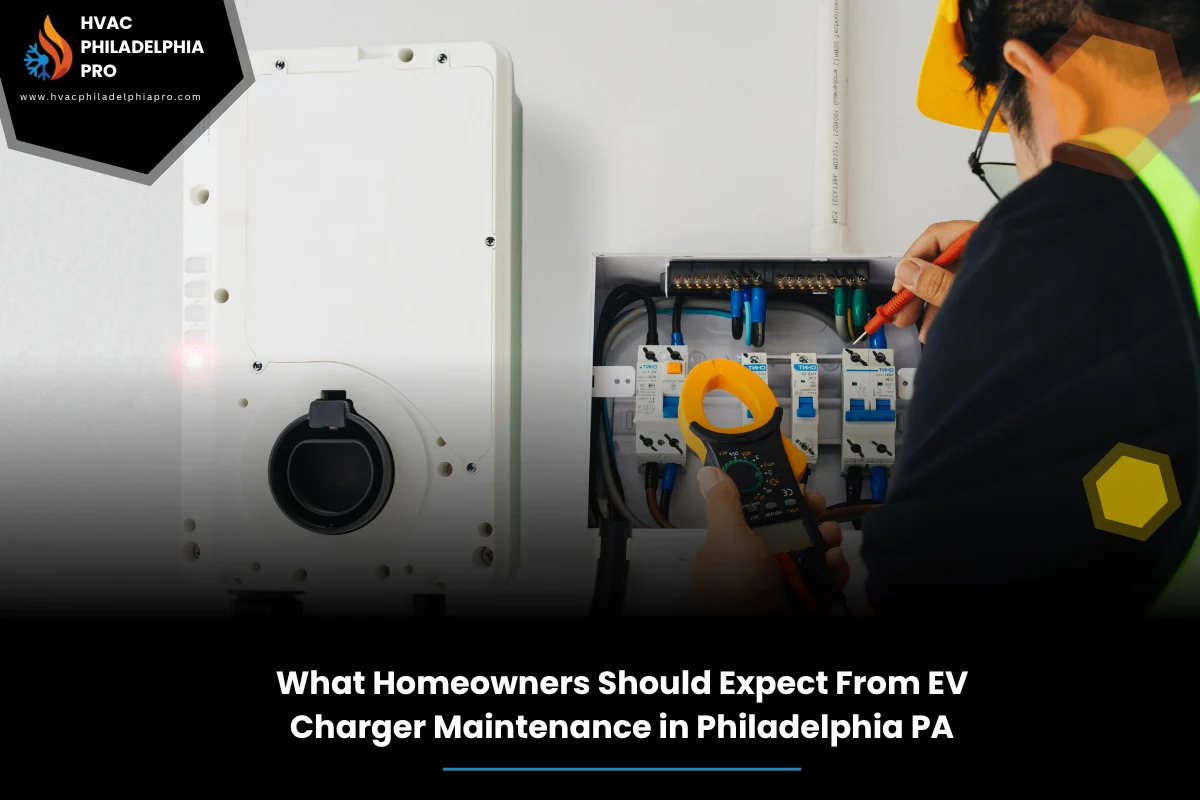
Learn what homeowners should expect from EV charger maintenance in Philadelphia PA. Get simple checklists, pro tips, a care plan, and clear safety signs to keep charging reliable.
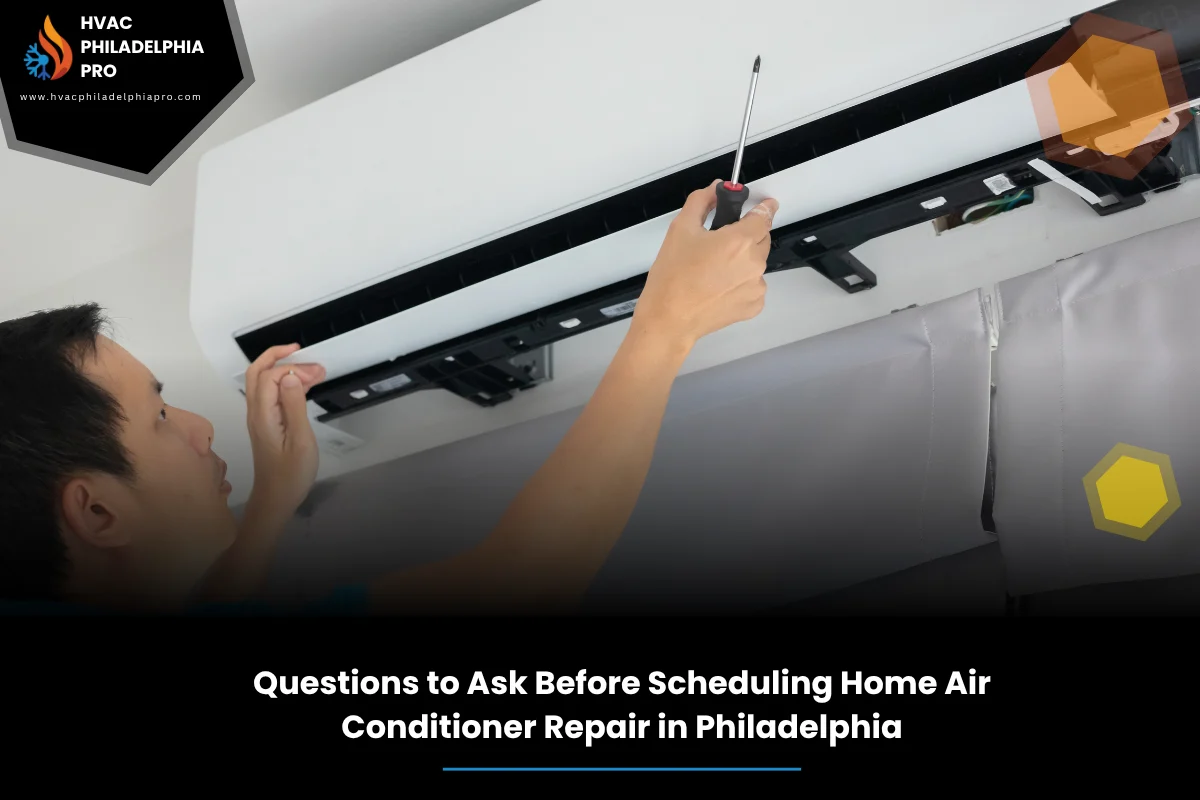
Use this checklist of questions to ask before scheduling home air conditioner repair in Philadelphia. Confirm basics, understand costs, and compare repair vs replace with confidence.
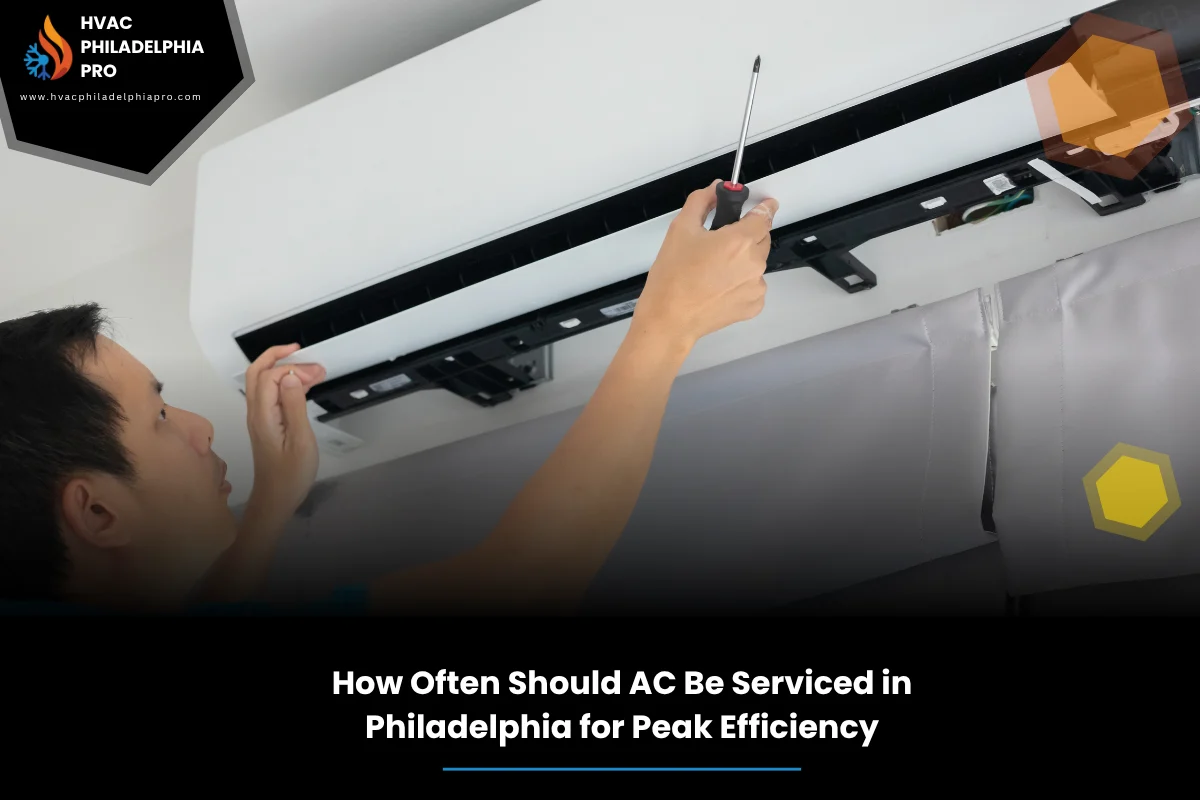
Wondering how often should AC be serviced in in Philadelphia? Use this simple, season-based plan to keep cooling reliable, cut surprise repairs, and steady your bills.