
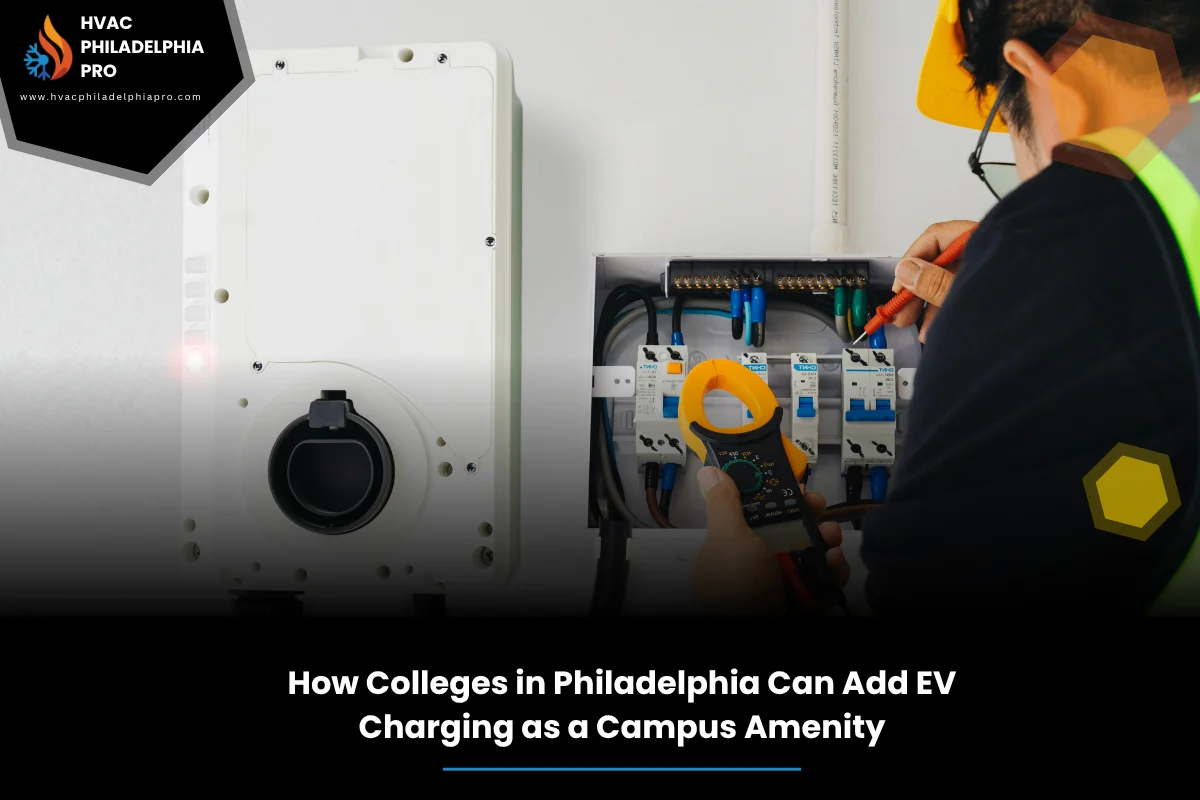
Colleges across the city are planning for more electric vehicles every year. Students, staff, and visitors expect easy charging, just like Wi-Fi or parking. If your facilities team is weighing options, start with a clear plan for commercial EV charger installation in Philadelphia that fits campus life, safety rules, and daily traffic. Work with a licensed partner who understands campus operations. Teams like HVAC Philadelphia Pro coordinate electrical needs, trenching, signage, and software so your rollout goes smoothly.
For project timing or scope questions, see how seasoned crews handle wiring, trenching, and commissioning with commercial EV charger installation in Philadelphia and use those steps to shape your own internal plan.
Table of Contents
Quick Summary
EV charging works on campus when it’s planned like any other shared amenity. Start small, learn fast, and scale with data. Pick charger types that match dwell time in lots and garages. Build for safety, lighting, and ADA access. Use networked chargers for access, payments, and reporting. Right-size power today while planning for tomorrow.
Form a cross-team group, map your parking usage, and run a pilot. Track utilization, uptime, and feedback. Use simple signs and campus app alerts to make charging easy. Align the project with sustainability goals and transportation demand plans. Treat chargers like any other building system with schedules, checks, and preventive maintenance.
Why EV Charging Works for College Campuses
Colleges have long dwell times, known traffic patterns, and central parking. That makes Level 2 chargers ideal for most users. On big event days, a few faster chargers can help with turnover. For a deeper look at equipment, wiring, and permitting, read the Complete Guide to EV Charger Installation in Philadelphia PA for Homes and Small Facilities and note how those fundamentals translate to shared campus lots.
EV charging also supports recruitment and sustainability goals. It shows care for commuters and visitors. Over time, charging data helps transportation teams refine parking policies and plan fleet transitions without guesswork.
Understanding Charger Types and Power Basics
Most colleges start with Level 2 chargers. They fit campus dwell times, work on typical building panels, and balance speed with cost. Add a small number of DC fast chargers where quick turns matter, like visitor hubs or athletics on game days. Use a mix that suits your classes, lab schedules, and event peaks.
Power details matter. Conduit runs, panel capacity, and utility coordination shape both cost and timeline. According to the U.S. Department of Energy’s Alternative Fuels Data Center (2024), charging levels and network features affect site power, load management, and user access planning. U.S. DOE Alternative Fuels Data Center
For campus teams, Level 2 charging covers daily needs, while smart features help manage shared use. Keep the broader principles from the complete guide to EV charger installation in Philadelphia for homes and small facilities in mind, then scale them for multi-lot sites.
Siting and Infrastructure Planning on Campus
Start with parking near libraries, dorms, and faculty areas where vehicles sit for a few hours. Place chargers where lighting is strong and traffic is calm. Leave clear space for access and future conduit. Group chargers to share trenching and panels. Keep snow, leaf, and trash maintenance in mind when picking curbs and islands.
Plan signage at lot entries and at each stall. Add pavement markings to reduce ICEing. Map ADA routes and heights for screens and cables. Document as-built drawings and label panels for fast service calls. Good siting plus solid electrical infrastructure makes charging simple for drivers and staff.
Network, Access, and Payment Options
Networked chargers let you set pricing, schedules, alerts, and reports. You can offer free charging at low-demand hours and paid charging at peaks. Students and staff often search for EV charging station installation near me, but a campus-managed network keeps use orderly and fair.
Make access easy: tap-to-pay, app, or campus ID. For residence halls, limit use to assigned users overnight. For visitor garages, keep it open with clear time limits. Smart EV charger installation shines when you balance simple user experience with reliable access control.
Electrical Load, Safety, and Future-Proofing
Work with your facilities electrician to check panel capacity, feeders, and grounding. Build a one-line diagram for current and future chargers. Choose gear that supports load sharing across ports so your system can scale without constant upgrades.
Use bollards, wheel stops, and cable management to protect equipment. Add cameras where appropriate. Write a lockout/tagout plan for service work. Choose hardware that supports power sharing and scheduled charging; smart load management can delay costly upgrades while keeping drivers happy.
6-Step Framework to Add EV Charging as a Campus Amenity
Use this practical framework to move from idea to a working pilot without chaos. For more background on components, wiring, and safety checks, reference the complete guide on this topic as you tailor decisions for multi-user sites.
- Step 1: Form a core team. Include facilities, sustainability, parking, IT, and campus safety. Set goals and define decision rules.
- Step 2: Map demand and pick pilot sites. Use parking data, class schedules, and events. Start where staff or residents park for hours.
- Step 3: Validate power and trench paths. Walk the site with your electrician. Confirm panel space, conduit routes, and ADA paths.
- Step 4: Choose hardware and network. Favor open standards and flexible pricing tools. Make sure support and warranties are clear.
- Step 5: Install, commission, and baseline. Test payments, access, and alerts. Train the help desk to handle common questions.
- Step 6: Measure, adjust, and scale. Track utilization, wait times, and driver feedback. Expand in phases. A tight pilot phase prevents costly missteps.
Operations Checklist for Campus Teams
Assign a system owner and list weekly checks: connector condition, signage, paint, and cable reels. Review uptime reports and ticket logs monthly. Schedule firmware updates during low demand windows. Keep spare parts on hand for high-use sites.
Document roles for cleaning, snow removal, and repairs. Post a support number on each station. A routine of preventive maintenance protects your investment and driver trust.
Campus Charging Models: At-a-Glance Comparison
Use this high-level view to choose a mix that fits your needs today, with room to grow tomorrow.
| Model | Best For | Speed | Pros | Watch-outs |
|---|---|---|---|---|
| Level 1 | Dorm or staff spots with long stays | Slow | Low power needs, simple | Not ideal for shared turnover |
| Level 2 | Most campus lots and garages | Moderate | Balances speed and cost | Needs panel capacity planning |
| DC Fast | Visitor hubs and event peaks | Fast | Quick turns, helpful for fleets | Higher power, siting, and costs |
Measuring Impact: Sustainability, Engagement, and Equity
Track usage by group: residents, commuters, and visitors. Watch wait times at peaks. Review uptime and response times to tickets. Use surveys to see if charging changed how users commute. Share results with leadership each term.
Include equity in planning. Offer a fair mix of locations across campuses. Keep some chargers open for visitors. Build a simple set of KPIs like utilization rate, uptime, and average session length so decisions stay clear.
Common Pitfalls to Avoid
Going too big too fast. Skip the 50-station first phase without data. Start small, learn, and expand. Don’t ignore lighting, signage, or ADA routes. Those details drive user trust.
Locking into closed systems can also hurt. Favor open standards and clear service terms. And never forget stakeholder buy-in. Parking, IT, and safety each see different risks. Solve them early, and scale with confidence.
FAQs for College Facilities Teams
- How many chargers should we start with on campus?
Begin with a pilot of 4 to 10 Level 2 ports in one or two high-demand lots. Collect data for a term, then scale based on usage, feedback, and panel capacity.
- Do we need DC fast chargers for a college?
Not always. Most daily charging fits Level 2. Add a small number of fast chargers if you host events or want quick turns at visitor hubs or fleet depots.
- Who manages payments and access?
Your facilities or parking team usually owns policy, while the network platform handles pricing, access roles, and reporting. Keep policies simple and visible.
- What about electrical upgrades?
Check panel capacity and feeders before design. Use load sharing and phased expansion to delay large upgrades until demand is clear and consistent.
- How do we prevent non-EVs from blocking spots?
Use signs at lot entries and stalls, pavement markings, and clear enforcement rules. Good wayfinding and lighting reduce confusion and keep spots open.
- Can we integrate chargers with campus IDs?
Yes, many networks support RFID or SSO options. Test with a small group first to confirm reliable access, billing, and privacy before campus-wide rollout.
Conclusion
Done right, campus charging feels simple and reliable for everyone. Start with a measured plan, focus on user experience, and build a data loop you trust. With thoughtful siting, networked controls, and steady upkeep, your college can scale responsibly and support more drivers each term through practical commercial EV charger installation in Philadelphia.
If you need a second set of eyes on wiring, siting, or commissioning, reach out to a licensed team that works clean and communicates well. Contact HVAC Philadelphia Pro for expert assistance. As you shape your plan, keep lessons from the pillar topic in mind so your campus rollout runs smoothly and safely.
continue reading
Related Posts
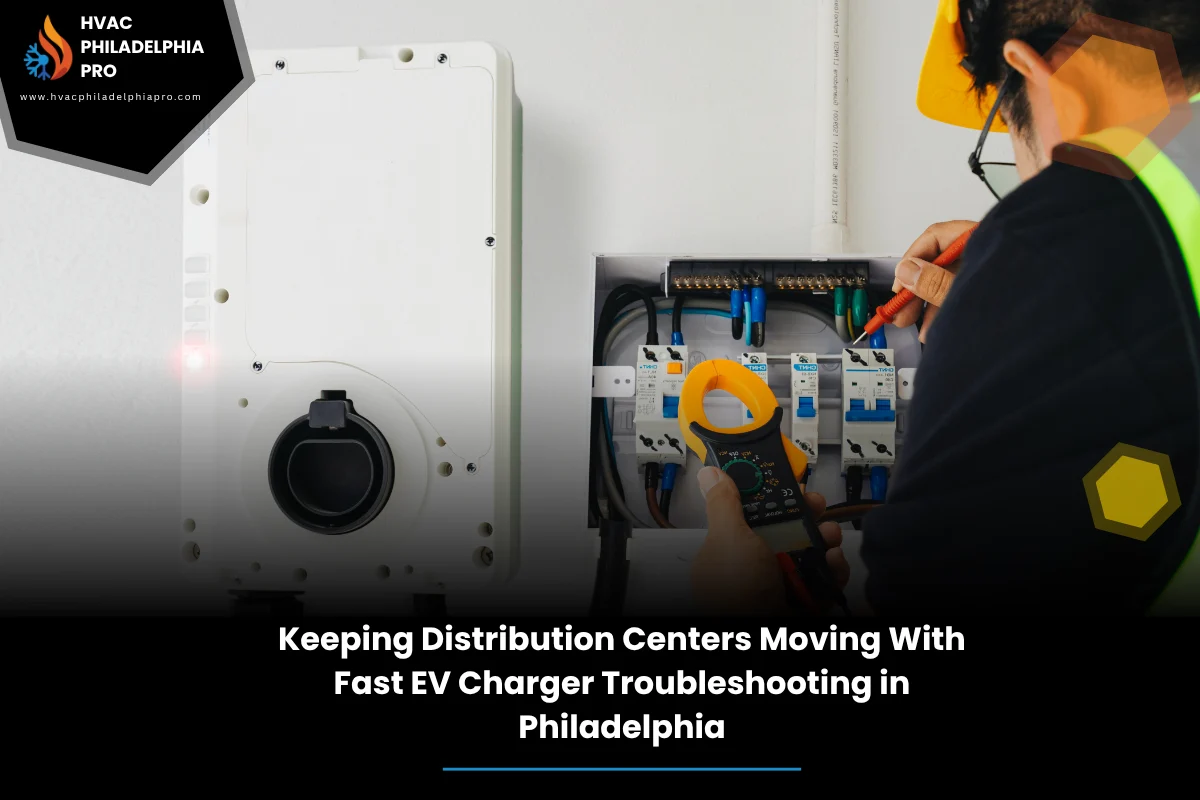
Learn practical steps for EV charger troubleshooting in Philadelphia. Keep distribution centers moving with safe triage, common fault cues, and when to call emergency help.
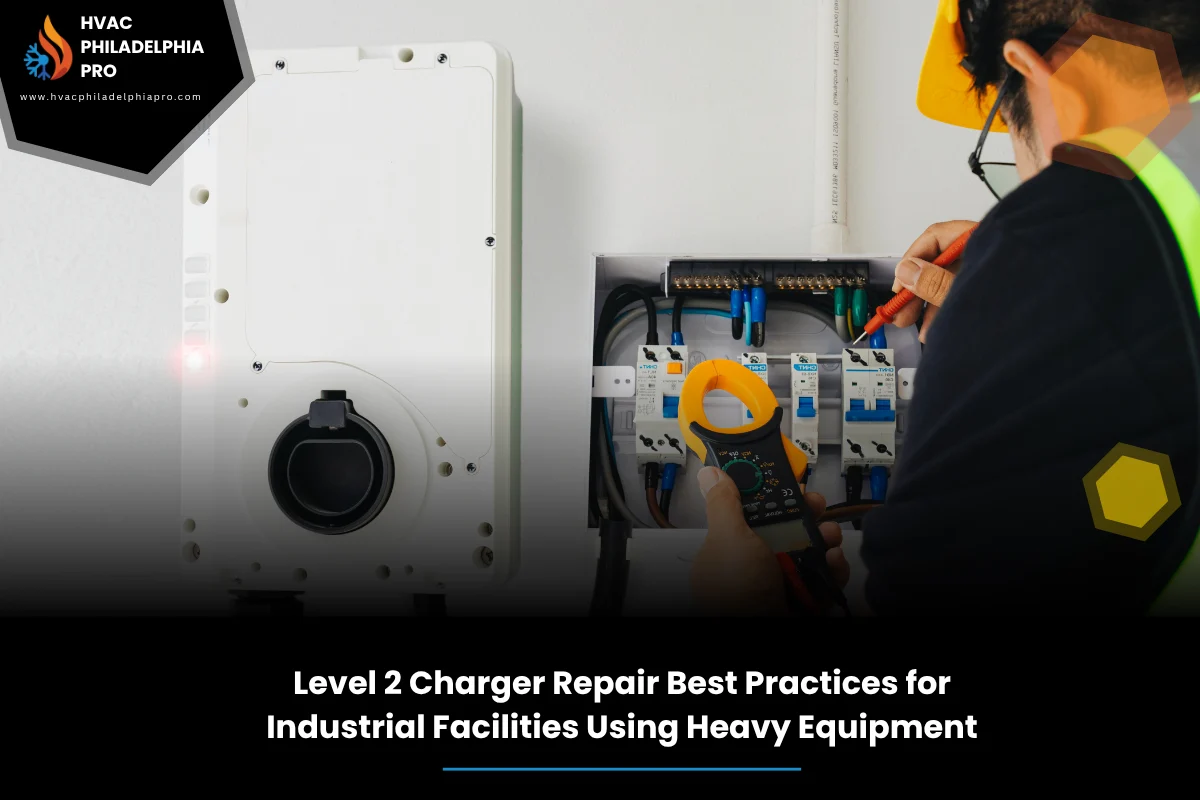
Learn Level 2 charger repair best practices for industrial sites using heavy equipment. Get safe workflows, diagnostic steps, breaker tips, and maintenance plans.
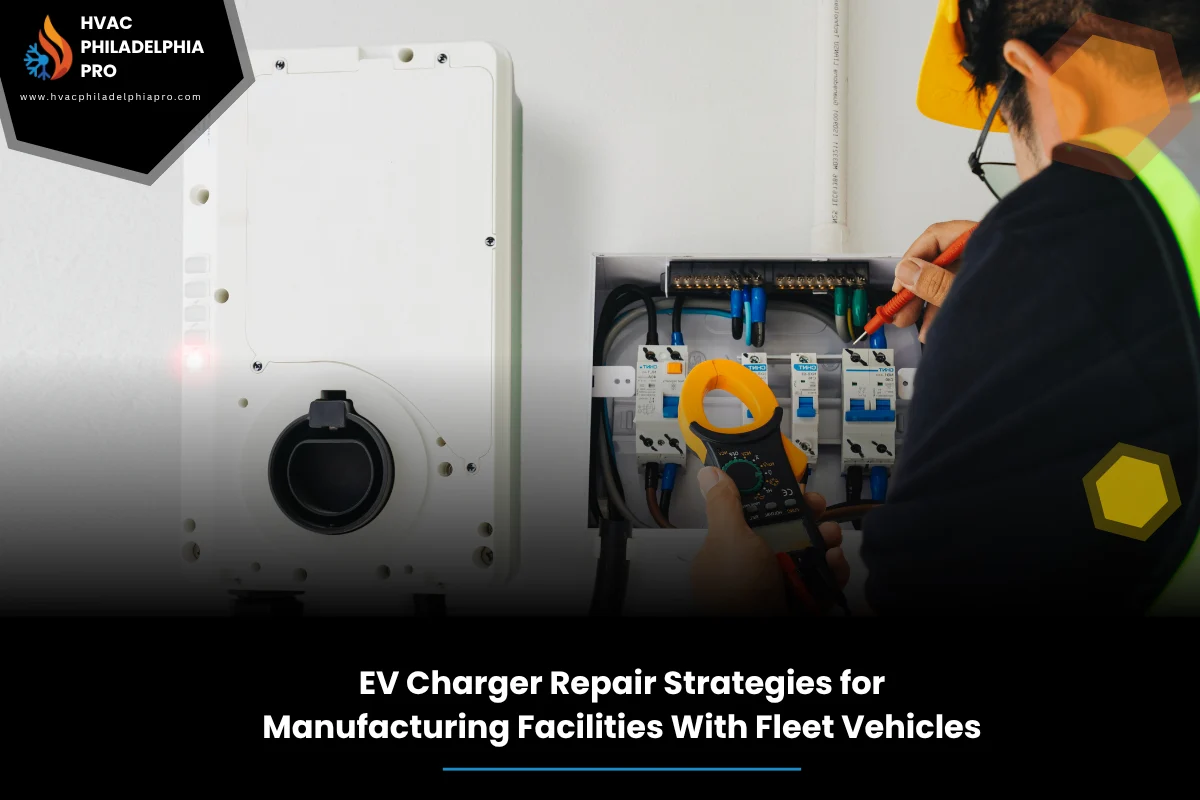
A clear plan for EV charging station repair in Philadelphia keeps manufacturing fleets moving. Learn failure modes, a root-cause workflow, parts to stock, safety steps, and a repair path that cuts downtime.