
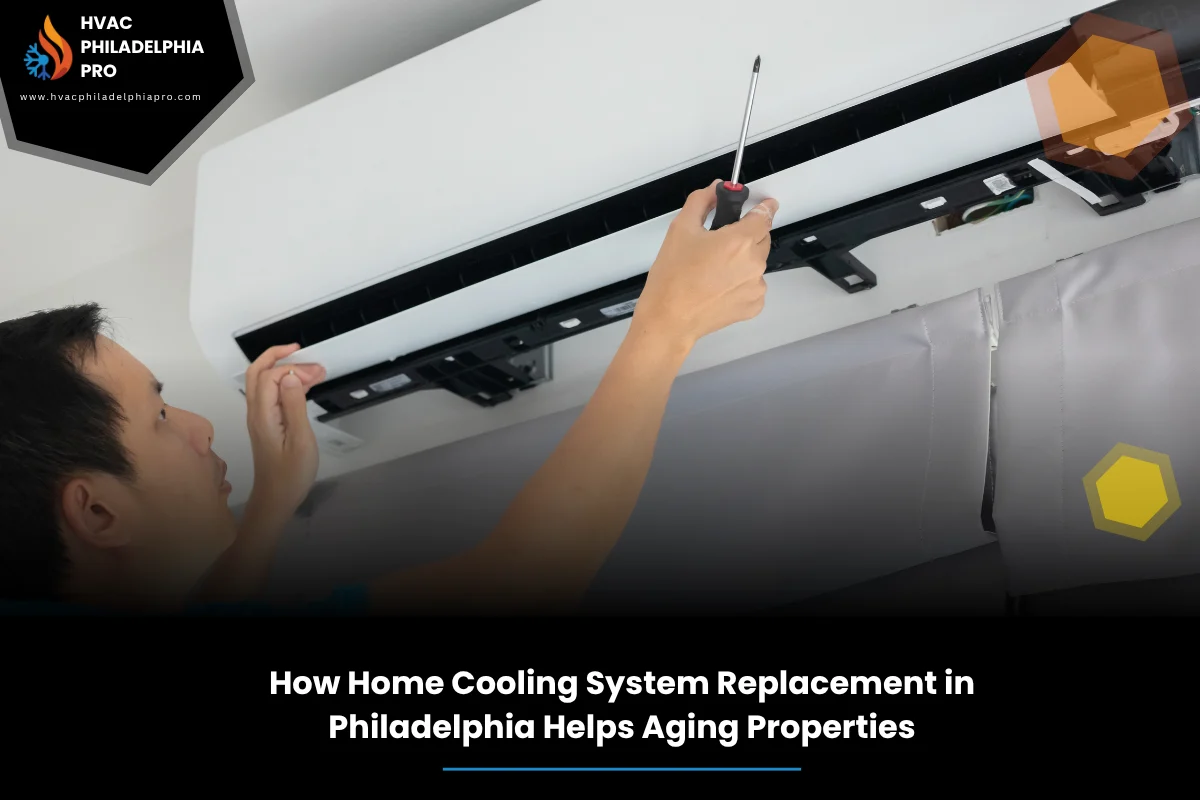
Older Philly rowhomes and twins have charm, but the heat in July can hit hard. Drafty walls, old ducts, and tired condensers make rooms uneven and bills high. A smart plan for home cooling system replacement in Philadelphia can steady comfort, cut noise, and lower energy use without gutting the house. With HVAC Philadelphia Pro, the path can be clear and low-stress.
If you are mapping out options, start by learning what a proper audit and design look like. When the timing is right, see how a careful home cooling system replacement in Philadelphia fits your budget and goals. This guide explains what matters in older homes, from duct losses to moisture control, plus how replacing old AC unit in Philadelphia setups improves daily comfort.
Table of Contents
Quick Summary
Aging properties often suffer from worn compressors, leaky ducts, and weak ventilation. These add up to hot rooms, sticky air, and power bills that creep up each summer. Replacing with the right size system, tuned ducts, and smart controls resets comfort. It also quiets operation and improves indoor air quality.
The path is simple: assess the building, right-size the equipment, seal and balance ducts, and pick a high-efficiency unit suited to the Philadelphia climate. Add zoning if layouts are tricky. Good design and airflow balancing deliver steady temps room to room. This article covers why, when, and how to replace, plus a clear framework you can follow.
Why older Philadelphia homes struggle with cooling
Many older homes were built before central air. Thick masonry holds heat, attics bake, and retrofitted ducts may be too small or long. These limits make systems run longer, cost more, and still leave hotspots. For a deeper background on system design basics, see the Complete Guide to AC Installation in Philadelphia PA for Reliable Home Cooling.
Hidden insulation gaps and poor air sealing also pull humid air into living areas. Old returns can be undersized, starve airflow, and drive the coil to freeze. Stack effect in tall rowhomes moves heat upward, so top floors feel 5 to 10 degrees warmer than the first floor.
Clear signs it is time to replace
Repairs help for a while, but patterns tell the truth. When these stack up, consider HVAC system replacement in Philadelphia rather than more patching.
- Rising energy bills with no change in usage
- Frequent service calls or hard-to-find parts
- Uneven cooling between floors
- Unit runs all day or rapid short cycling
- High indoor humidity or musty smells
- System age near or past typical lifespan
How replacement boosts comfort, health, and safety
A right-sized system cuts noise and evens out temperatures. Better coils, fans, and controls squeeze more cooling from each watt. New thermostats add smart scheduling and can adapt to your routine without constant tweaks.
Stronger filtration and steadier humidity control help reduce dust and damp. That lowers mold risk and keeps wood floors from swelling in summer. Fresh refrigerants and safer electricals reduce hazards from leaks or shorts common in very old equipment.
Energy efficiency that fits the Philly climate
Efficiency ratings matter. Look for a solid SEER2 rating that balances cost and long-term savings. In humid summers, variable-speed compressors and enhanced dehumidification features shine. They run longer at low speed, remove moisture better, and keep temps consistent.
According to the U.S. Department of Energy (2023), replacing a central AC that is over a decade old can reduce cooling energy costs compared to older units, especially when combined with proper installation and duct improvements (U.S. DOE Energy Saver). U.S. DOE Energy Saver: Central Air Conditioning
Why ducts and airflow tuning matter
In older homes, ducts are often the bottleneck. Leaks in attics and basements dump cool air where you do not need it. Kinks and long runs starve rooms. Before installation, pros test and seal ducts, resize key sections, and set damper positions to deliver even flow.
Simple steps like duct sealing, adding returns on upper floors, and balancing dampers fix many hot rooms. Zoning can help when one thermostat cannot manage a tall or complex layout. These upgrades often pay off more than chasing higher equipment tonnage.
Repair or replace for an aging property? A quick comparison
Use total value, not just today’s bill, to judge. Look at energy use, comfort, reliability, and the total cost of ownership over the next 10 years.
| Factor | Keep Repairing Old Unit | Replace With New System |
|---|---|---|
| Upfront Cost | Lower per visit | Higher once |
| Energy Use | Usually high | Lower with efficient design |
| Comfort | Often uneven | Balanced with sizing and ducts |
| Reliability | Declines with age | Strong with warranty |
| Moisture Control | Weak in humid spells | Improved runtime and features |
| Long-Term Cost | Adds up with energy and calls | Lower over system life |
A simple planning framework you can follow
Work through these steps to plan AC replacement in Philadelphia PA with fewer surprises and better results.
- Start with a load assessment. A proper load calculation looks at area, insulation, windows, and orientation.
- Inspect ducts. Seal, resize, and add returns where starved.
- Pick equipment type. Consider variable-speed units for comfort and humidity.
- Match capacity to the home. Avoid over-sizing to prevent short cycles and damp air.
- Plan controls. Use smart thermostats and zoning if floors vary.
- Set filtration goals. Choose filters that fit air handlers without choking airflow.
- Schedule install during mild weather if possible to reduce downtime.
For detailed design and install best practices, check the complete guide on this topic. It pairs well with this framework and helps you talk clearly with your installer.
Permits, access, and protecting the home
Older homes can be tight on space. Plan condenser placement, line-set paths, and attic or closet access early. Protect stairs and floors on install day, and confirm safe electrical capacity for the new air handler and condenser.
Local rules may require permits and inspections. Good contractors handle paperwork and schedule checks. If you have historic features, plan routes that avoid trim and plaster wherever possible to keep the character intact.
FAQs
- How do I know if my current AC is too big or too small?
Rooms that cool fast but feel clammy point to oversizing. Long nonstop runs without hitting setpoint can mean undersizing or duct issues. A Manual J load calculation confirms the right capacity.
- Will a new system fix my hot second floor?
Often yes, if ducts are sealed and balanced, and returns are added. Variable-speed equipment and zoning also help top floors hold steady temps in Philadelphia summers.
- Do I need to replace ducts when I replace the AC?
Not always. Many ducts can be sealed, adjusted, or partly resized. A pressure test and inspection decide if sections need replacement or if tuning will do.
- What efficiency rating should I aim for?
Pick a solid SEER2 level that fits your budget and usage. In humid climates, variable-speed features often beat a small SEER2 jump in real comfort and savings.
- How long does installation usually take?
Most straight replacements finish in a day. Add time if ducts need work, zoning is added, or access is tight. Good planning reduces downtime.
- Will a new AC improve indoor air quality?
Yes, if paired with proper filtration, sealed ducts, and steady humidity control. This reduces dust and damp that can lead to musty smells.
Conclusion
A thoughtful home cooling system replacement in Philadelphia can turn an aging property into a steady, quiet, and efficient space. Start with the building, not the box. Size it right, fix the ducts, and choose controls that fit your layout. Small choices stack up to big gains you can feel every day.
If your bills are climbing and comfort is slipping, a clear plan beats another summer of patchwork. Use the framework above, and read the broader AC installation notes as you compare options and timelines. Contact HVAC Philadelphia Pro for expert assistance. With good design and careful install, your next hot week should feel calm, cool, and easy.
continue reading
Related Posts
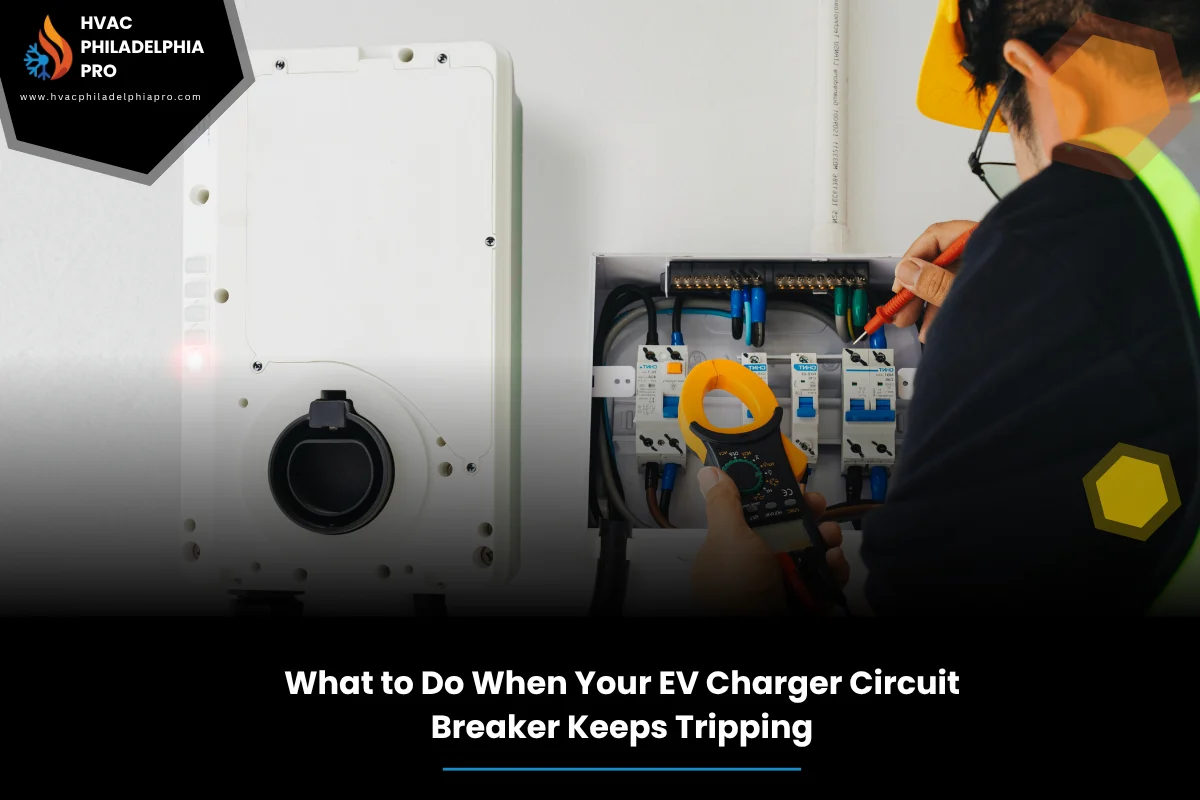
Breaker tripping with EV charging? Learn what to do when your EV charger circuit breaker keeps tripping. Follow safe checks, a simple framework, and real fixes that last.

Stuck because your EV charger won’t charge vehicle? Use this clear homeowner checklist to fix power, settings, cable, and app issues before calling a pro.

Learn common issues and fixes for electric vehicle charger installation in Philadelphia. From panel limits to 240V circuits, grounding, and permits, get a clear, safe plan.