
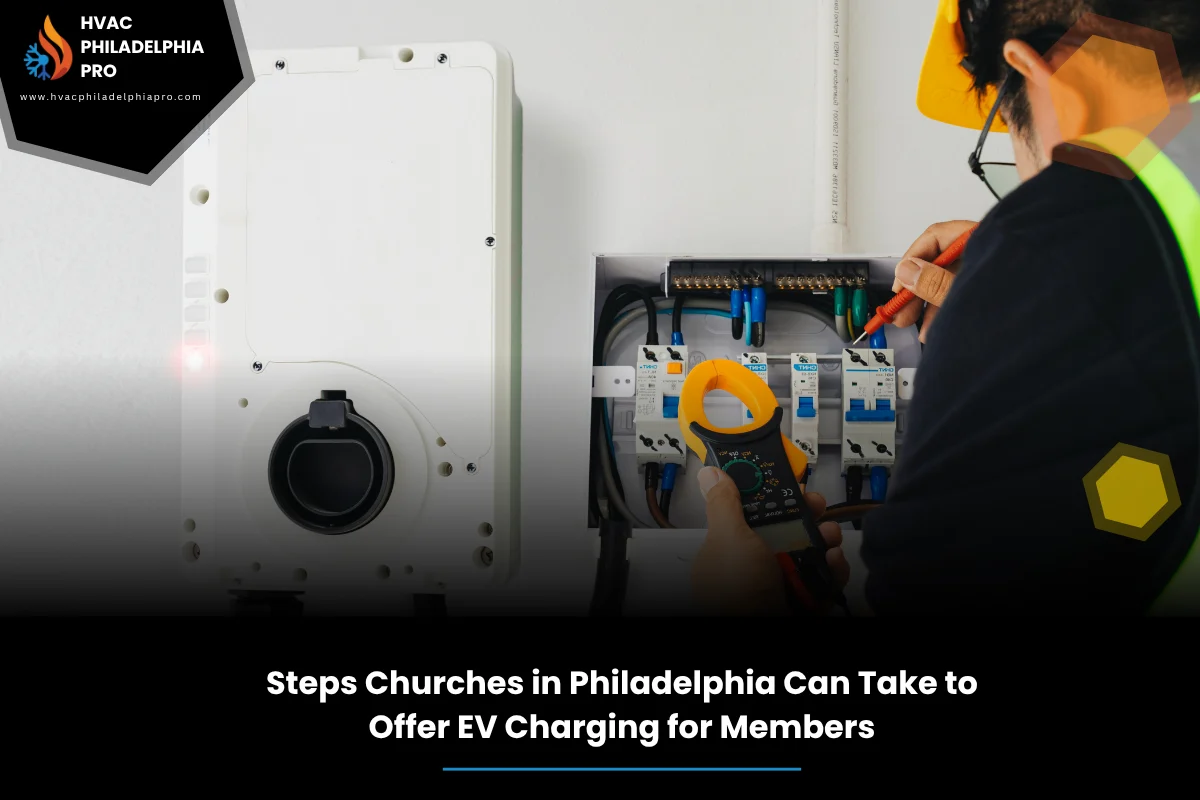
Church leaders see more members driving electric, and the questions start. Where do we put chargers? How hard is it to wire? What will it take to manage access on Sundays and events? This guide walks through clear steps so your team can plan with confidence. We’ll keep it simple, practical, and geared to faith communities.
If you’re considering commercial EV charger installation in Philadelphia, start by mapping goals, assessing your electrical panel, and choosing a charger level that fits Sunday peaks and weekday needs. Add basic safety features, set fair use rules, and communicate changes to your congregation. Done right, charging becomes a quiet help that supports hospitality and stewardship.
When it’s time for next steps, explore commercial EV charger installation in Philadelphia to understand permitting, timelines, and hardware options. A licensed pro can help verify capacity, routing, and code details so your project stays smooth from plan to plug-in.
HVAC Philadelphia Pro serves local properties with electrical, HVAC, plumbing, and more. We aim for clear answers, safe installs, and steady maintenance that keeps systems humming year-round.
Table of Contents
Quick Summary
Most churches will benefit from Level 2 charging because services, classes, and rehearsals last a few hours. Start with a needs check, review the electrical panel, and plan the parking spots members already use. Choose smart features if you want access control or energy limits, and be sure your walkway, lighting, and signage make it simple and safe.
Build a small pilot, watch usage, then expand as more drivers arrive. Set clear rules for when spaces are open, how long a car can stay, and who to call if something isn’t working. If your team needs details on wiring, permits, and load management, your church can reference a complete guide and local pros to round out the plan.
Why EV charging matters for churches
Charging supports member care, guest welcome, and weekday ministry. It helps parents who come for youth nights, volunteers setting up for events, and staff during longer workdays. It’s also a visible way to care for creation and meet practical needs without fuss.
For broader context on hardware, safety, and timelines, see the Complete Guide to EV Charger Installation in Philadelphia PA for Homes and Small Facilities. It complements this church-focused article with deeper electrical and site details.
Churches that plan ahead avoid headaches later. A light site review, some cones for the pilot phase, and clear signs remove most friction on day one. Keep it simple, then scale as needs grow.
Assess your site and electrical capacity
Start with a short walk-through. Identify 2 to 4 parking spaces close to the electrical room to reduce trenching. Check lighting, snow clearance paths, and the route for conduit. Mark where protective bollards and signage will go for safe access.
Next, schedule an electrical load calculation. Your panel may handle one or two Level 2 chargers today, or you may need upgrades. A licensed EV charger electrician in Philadelphia can confirm breaker space, feeder size, and grounding so you know what’s realistic.
If capacity is tight, consider load management. That lets chargers share power without tripping breakers. You can also start with a single circuit and add more later as adoption grows.
Choose the right charger level
Most congregations do best with Level 2 charging. It fits Sunday services, midweek meetings, and staff hours. Level 1 is too slow for short visits, and DC fast charging costs more and adds complexity many churches don’t need at first.
| Charger type | Best for | Power and speed | Install complexity | Fit for churches |
|---|---|---|---|---|
| Level 1 | Overnight or all-day parking | Slow; adds limited miles per hour | Low | Useful for staff lots; not ideal for services |
| Level 2 | Visits of 2 to 4 hours | Moderate; suited to typical church stays | Medium | Best first step for members and guests |
| DC fast | Short, on-the-go stops | Very fast; higher power | High | Usually more than churches need early on |
If your team searches for EV charging station installation near me, filter for installers who explain permits, panel needs, and long-term support. Ask how they handle setbacks like asphalt cuts, curb ramps, and weatherproofing.
Plan access, safety, and accessibility
Make the spaces easy to use and safe at night. Add bright lighting, wheel stops, and bollards to protect equipment. Keep walkways clear for strollers and mobility devices. Place chargers close to entries without blocking main traffic flows.
Mark at least one space with accessible reach to the connector height and cord length. Post a simple sign: hours, time limits, and a phone number for help. Keep cords off paths so no one trips.
Smart charging and energy management
Smart features help churches stretch limited capacity. Smart EV charger installation supports user access codes, time windows, and power sharing. It can hold steady during Sunday peaks and open more capacity on quiet weekdays.
According to U.S. Department of Energy, Alternative Fuels Data Center (n.d.), understanding charging levels and site power planning helps choose the right equipment and manage demand effectively. Electric Vehicle Charging Station Basics
Set alerts for faults and a weekly report to track use. If you later add solar or a battery, many smart systems can coordinate loads to smooth out spikes.
Engage your congregation and community
Start with listening. Survey members to see who drives electric, who is considering it, and what hours matter most. Invite feedback on where to place chargers and how to keep spaces open for those who need them.
Share a simple plan in bulletins and during announcements. Explain time limits, courtesy practices, and what to do during special events. Clear expectations avoid confusion and parking stress.
As interest grows, consider outreach to nearby partners who host community groups. A calm, steady rollout shows care for neighbors and good stewardship of resources.
A simple rollout framework for churches
Use this five-step framework to move from idea to first charge without chaos. If you need deeper technical details, your team can read the complete guide on this topic alongside this church-focused plan.
- Step 1: Define goals Decide who the chargers serve first: members, staff, or guests during events. Set a simple success target like “two cars per Sunday” to guide sizing.
- Step 2: Site and electrical check Walk the lot and review the panel. Note path of travel, lighting, and the closest panel location. Document photos and panel ratings for a pro review.
- Step 3: Pilot install Start with one or two Level 2 ports. Add cones, signs, and a QR code to share rules. Monitor use for a month before adding more.
- Step 4: Policy and training Create a short use policy. Train office staff on resets, reporting faults, and who to call for help. Post the support phone number on the unit.
- Step 5: Evaluate and expand Review weekly usage, Sunday peaks, and any complaints. If bays are full often, plan the next two ports and consider load management to share power.
Operations: policies, uptime, and care
Set a time limit policy during busy hours so more members can use the chargers. Keep the spaces open for people who need a boost to get home, and offer overflow guidance during big events.
Plan a simple maintenance checklist: inspect cords, test GFCI, verify signage, and clean housings monthly. Log checks in a shared file so issues don’t get missed between volunteers and staff.
Keep spare connector holsters and labels on hand. If a unit faults often, note the error code and share it with your installer. Many issues are quick fixes when documented well.
Work with qualified professionals
Choose a licensed EV charger electrician in Philadelphia who has installed Level 2 systems at small facilities. Ask for a one-line diagram that shows breakers, wire sizes, and grounding so trustees can approve with confidence.
Request a permit-ready plan that covers trenching or surface runs, bollards, and any concrete pads. Agree on a shutdown window if the panel needs work, and plan around services and weekday programs.
If you plan phased growth, ask for a pathway design now. Conduit stubs and space in the panel today make future adds much simpler later.
Communication and signage that just works
Good signs prevent most problems. Use clear labels for charger IDs, time windows, and contact info for help. Place wayfinding at the lot entrance so drivers know where to go without circling.
Post a one-page guide on your website. Include when the stations are open and how guests can use them during weddings, funerals, or concerts.
In bulletins, share brief updates and a note on courtesy charging during peak times. Small reminders keep the system friendly and fair.
FAQs
- Do we need more than one charger to start?
No. Many churches begin with one or two Level 2 ports, track use, then add more as demand grows. A pilot keeps cost, time, and change manageable.
- How long will a member need to charge?
For most visits, 1 to 3 hours on Level 2 works well. That covers services, classes, and meetings and gives drivers a useful boost to reach home.
- Can we control who uses the chargers?
Yes. Smart chargers support access codes, time windows, and power limits. That keeps bays available when the lot is busy and opens them wider on quiet days.
- Will charging overload our electrical panel?
Not if designed correctly. A load calculation and, if needed, load management will match demand to your panel’s capacity so circuits stay within limits.
- Where should we place the chargers?
Choose visible spots near entries with good lighting. Keep cords out of walkways, add protective bollards, and post clear signs with time limits and help info.
- Do we need staff on-site to manage charging?
Not usually. With smart alerts and a simple policy, office staff can monitor status and handle issues without standing by the units.
- What if a charger stops working on a Sunday?
Post a help number on the unit. Keep a basic reset step-by-step in the office. Log the error and contact your installer for a follow-up if it repeats.
- Is Level 2 the best choice for churches?
For most, yes. It matches typical visit lengths and keeps installation simpler than DC fast charging. You can always expand later if needs change.
Conclusion
With a clear plan, churches can add charging in small, steady steps. Start with goals, confirm capacity, pick Level 2 hardware, and set simple rules that keep bays turning over on busy days. Communicate with members, track what works, and expand thoughtfully as more drivers show up.
When your team is ready to scope wiring, safety, and code details for commercial EV charger installation in Philadelphia, talk with a licensed pro and align on a pilot timeline. Contact HVAC Philadelphia Pro for expert assistance. A careful rollout will serve members well and keep your lot calm and welcoming for years to come.
continue reading
Related Posts
Learn practical steps for EV charger troubleshooting in Philadelphia. Keep distribution centers moving with safe triage, common fault cues, and when to call emergency help.
Learn Level 2 charger repair best practices for industrial sites using heavy equipment. Get safe workflows, diagnostic steps, breaker tips, and maintenance plans.
A clear plan for EV charging station repair in Philadelphia keeps manufacturing fleets moving. Learn failure modes, a root-cause workflow, parts to stock, safety steps, and a repair path that cuts downtime.