
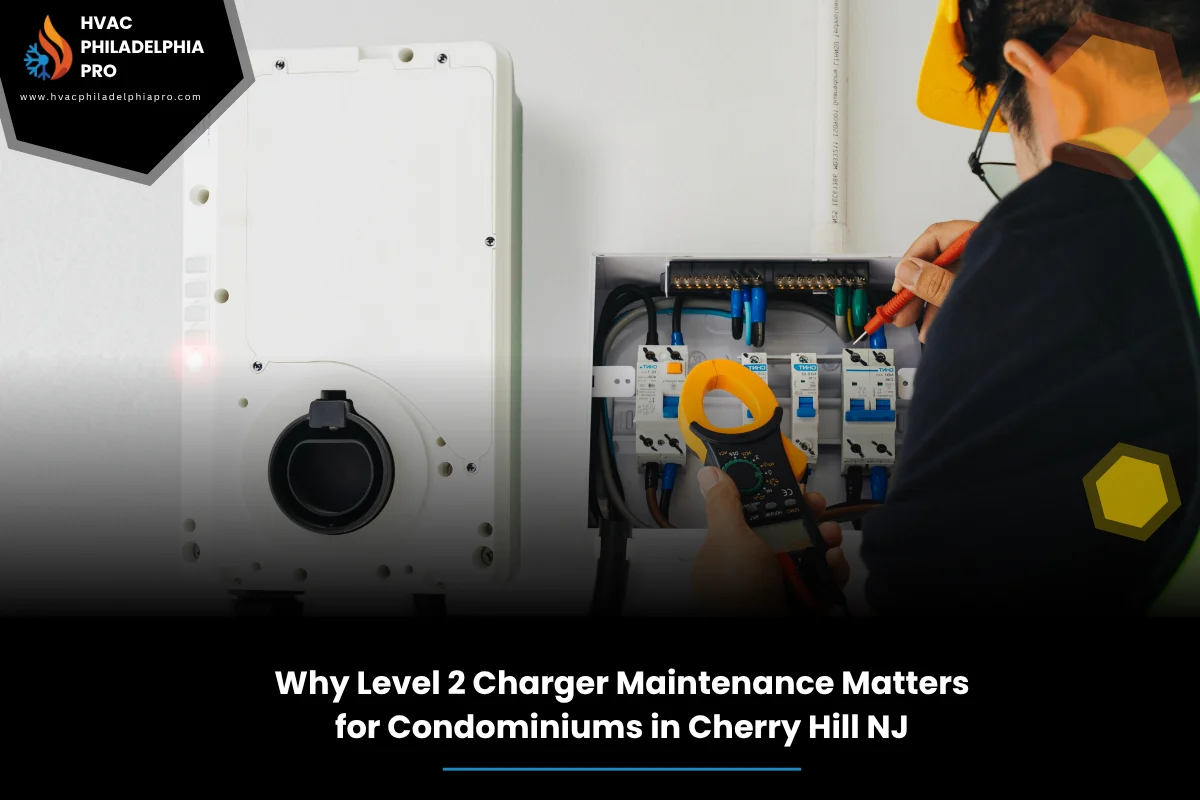
Condo parking areas work hard day and night. So do the chargers that keep residents on the road. When one station goes down, lines form, tempers rise, and trust slips. That is why Level 2 charger maintenance in Philadelphia is not just a nice-to-have for condo communities. It is a must-have plan that keeps drivers moving and common spaces safe.
For boards and managers, the goal is simple: reliable, fair, and safe charging with clear rules and steady upkeep. If you need professional help with routine care or inspections, read about Level 2 charger maintenance in Philadelphia to understand what a structured program looks like and when to schedule service.
Condo living adds shared garage stress, access control, and power limits to the mix. With a short checklist, routine testing, and smart alerts, you can prevent most headaches. And if a station falters, a simple workflow gets it back online fast. That rhythm is what keeps residents happy and HOA meetings calm.
Table of Contents
Quick Summary
Condominiums depend on predictable charging. Make a plan that covers daily checks, weekly cleaning, monthly testing, and annual load reviews. Focus on safety first, then uptime, and only then speed. Track parts that wear, like cables and connectors, and keep firmware current so stations stay smart and secure.
Write simple rules for access, time limits, and reporting issues. Keep spare parts on hand. Log every fix, even the easy ones. Use alerts and dashboards to spot problems early. For condo boards in Cherry Hill NJ, this approach fits shared garages well and limits downtime without heavy costs or drama.
Why condos need a plan for Level 2 charger care
Condo garages and lots are shared spaces, which means one charger problem quickly becomes everyone’s problem. A plan turns random repairs into a steady routine that protects the gear, keeps power use stable, and reduces conflict. For deeper home-focused context, see the Complete Guide to EV Charger Maintenance in Philadelphia PA for Reliable Home Charging and apply the same care mindset to community stations.
Condo power panels also face higher loads during peak hours. Without rules and a maintenance cadence, breakers trip, queues grow, and cables wear out early. A clear plan sets roles for residents, property staff, and vendors so no one wonders who does what when a fault light appears.
Core components that wear and what to check
Cables and connectors take the most abuse. Watch for nicks, bent pins, loose latches, and heat discoloration. Clean the connector face carefully and store the handle on its holster to reduce strain. Good cable management alone can add years to a station’s life.
Wall mounts, pedestals, and strain reliefs loosen over time. Tighten hardware and inspect gaskets and covers to keep water out. Check the screen and buttons, test RFID or app access, and confirm the station stops when the car is full. A 2-minute visual check each day catches many small issues early.
Safety and code basics for condo boards
Safety tops everything. Verify proper breakers, wiring, and bonding. Test ground fault protection and emergency stops. Keep clear space around every unit and post easy-to-read instructions. If a charger shows repeated faults, lock it out and tag it until tested and fixed.
According to the U.S. Department of Energy’s Alternative Fuels Data Center (n.d.), consistent inspection, proper installation, and current software help keep charging reliable and safe. U.S. DOE Alternative Fuels Data Center
Maintenance schedule for busy parking garages
Daily: quick walk-by. Look for damage, blocked access, or tripped screens. Weekly: wipe connectors and holsters, tidy cords, and verify access control works. Monthly: test charge start and stop, run a sample session, and check logs for repeated faults or slow performance that suggest needed preventive maintenance.
Quarterly: update firmware, tighten hardware, inspect panels, and review data for EV charger efficiency improvement. Annually: do a load study during peak hours, refresh labels and signs, and plan spare parts. This is your baseline for annual EV charger maintenance that aligns with common HOA calendars.
Troubleshooting workflow and local considerations for Cherry Hill NJ
When a resident reports an issue, use a simple path: confirm power, check screen messages, inspect cable and connector, test with a second vehicle, then review alerts and diagnostic logs. If the unit still fails, tag it out and schedule service. Clear notes help spot repeat offenders and justify part replacements.
In Cherry Hill NJ, winter salt and slush add corrosion risk. Clean holsters more often and keep covers snug. Heavy summer use can push heat higher in enclosed garages, so verify ventilation near panels and stations. These small local steps reduce faults and extend charger life.
A simple 6-step condo maintenance framework
Keep the process short and steady. Treat it like a checklist that any trained staff member can follow. For a broader foundation that fits home setups and easily adapts to shared spaces, skim the complete guide on this topic and tailor it to your condo rules.
- Document inventory: model, serial, breaker size, network status, and owner or HOA.
- Set SOPs: write clear standard operating procedures for checks, cleaning, and lockout tags.
- Schedule cadence: daily visual, weekly clean, monthly tests, quarterly updates, annual load review.
- Train people: show proper connector handling and basic fault steps to staff and residents.
- Stock spares: holsters, cable clamps, labels, and a tested backup EVSE if possible.
- Review data: track uptime, sessions, and repeat errors; adjust the plan every quarter.
Choosing durable hardware and smart software
Pick hardware with sturdy holsters, metal pedestals, sealed enclosures, and easy part swaps. Look for replaceable cables and clear screens. Software matters too. Choose platforms with reliable alerts, load sharing, and simple role-based access so boards can set rules without tech headaches.
Networks that support remote tests, quick firmware updates, and standard protocols help staff resolve issues faster. Over time, good smart charging software cuts downtime and lowers peak demand, which protects breakers and keeps charging fair for everyone.
Shared vs dedicated stations: maintenance trade-offs
Shared stations serve more drivers but see more wear. They need tighter schedules, faster part swaps, and strong queue rules. Dedicated stations reduce conflicts but spread upkeep across more units. That calls for simple owner rules and a standard parts list to keep things consistent.
Use this quick view to align setup choice with maintenance effort and budget expectations.
| Setup | What it means | Maintenance impact |
|---|---|---|
| Shared community stations | Several drivers use a few chargers by schedule or first-come | Higher wear, faster cleaning cycles, tight logs, and quicker part swaps |
| Semi-assigned with load sharing | Groups share circuits with smart limits | Moderate wear, must monitor load and keep firmware current |
| Dedicated deeded stations | One owner per charger, billed to unit | Lower shared wear, needs standard owner rules and periodic HOA checks |
FAQ
- How often should a condo inspect Level 2 chargers?
Do a quick daily look, weekly cleaning, monthly functional tests, quarterly updates, and a detailed annual review during peak load periods.
- What causes most condo charger downtime?
Damaged cables, loose hardware, outdated firmware, blocked access, and tripped protection are the usual culprits. Routine checks prevent most failures.
- How can we improve charging fairness in shared garages?
Use access control, time limits, clear signs, and app-based queues. Post rules at each station and in HOA docs to reduce conflict.
- Do firmware updates really matter?
Yes. Updates fix bugs, add features, and improve security. They also help with EV charging station maintenance in Philadelphia style routines that rely on alerts and logs.
- What spare parts should condos keep on hand?
Holsters, cable clamps, labels, contact cleaner, mounting hardware, and a tested backup station if possible to bridge long repairs.
- When should we call a professional?
Any time you see repeated faults, heat damage, water ingress, tripped protection that won’t reset, or wiring concerns beyond basic checks.
- Is residential EV charger service in Philadelphia different for condos?
The basics match home care, but condos add shared rules, load limits, and access control. That calls for logs, schedules, and clear SOPs.
Conclusion
Condo life depends on trust in shared systems. A steady plan for Level 2 charger maintenance in Philadelphia style programs delivers safe, fair, and reliable charging in Cherry Hill NJ. With simple checks, clear roles, and smart software, you prevent most failures and handle the rest without stress.
Write the rules, train people, and stick to the schedule. Keep spare parts close and review data every quarter so you can fix patterns, not just problems. If you want help shaping or auditing your plan, Contact HVAC Philadelphia Pro for expert assistance. That small step can keep your community charged and calm all year.
continue reading
Related Posts
Learn practical steps for EV charger troubleshooting in Philadelphia. Keep distribution centers moving with safe triage, common fault cues, and when to call emergency help.
Learn Level 2 charger repair best practices for industrial sites using heavy equipment. Get safe workflows, diagnostic steps, breaker tips, and maintenance plans.
A clear plan for EV charging station repair in Philadelphia keeps manufacturing fleets moving. Learn failure modes, a root-cause workflow, parts to stock, safety steps, and a repair path that cuts downtime.