
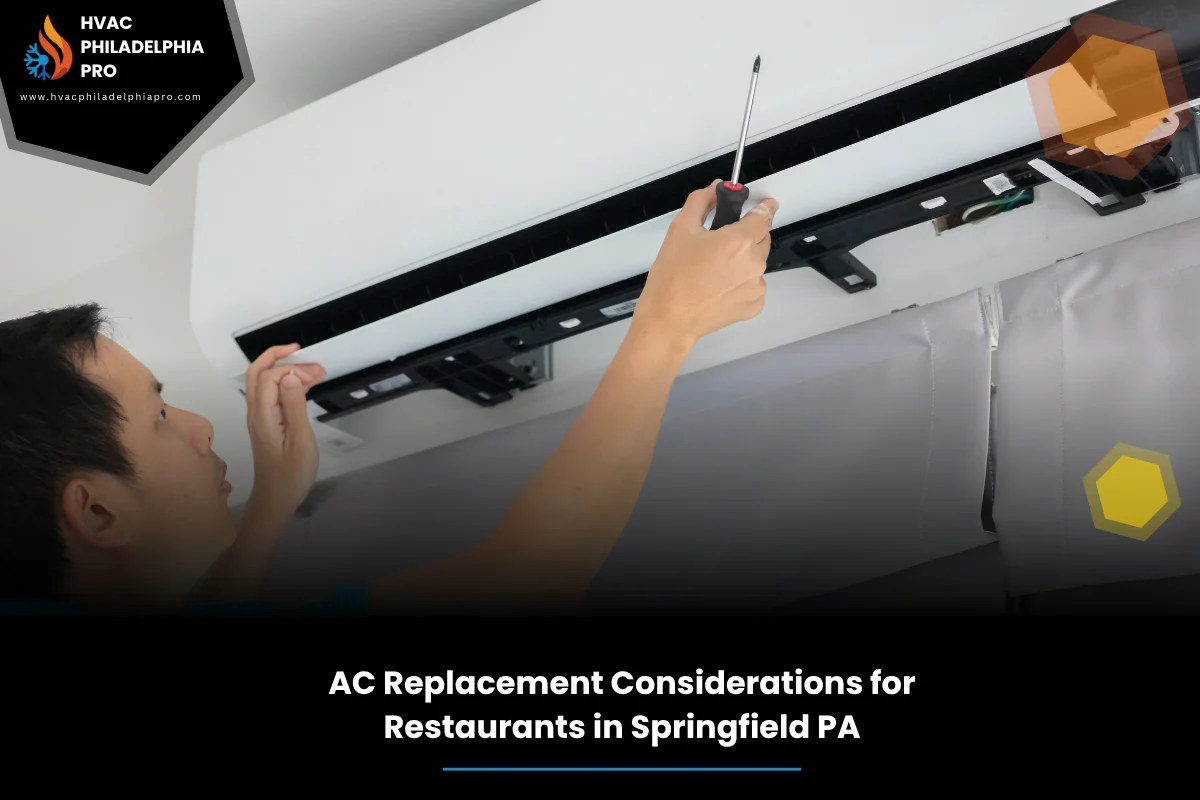
Running a busy kitchen is hot work. Guests expect cool air the minute they step inside. That is why an AC change is not just a swap. It is a plan. With HVAC Philadelphia Pro, local owners get practical help that fits tight hours, food safety rules, and real budgets. When you consider AC replacement in Philadelphia PA, the same core steps still guide smart choices for restaurants in Springfield PA.
If you need more details on who to contact for service, see AC replacement in Philadelphia PA for professional support when your project is ready.
This guide walks through what matters most in dining rooms, bars, and kitchens. We cover system types, airflow, fresh air needs, humidity control, noise, and the schedule crunch. We also outline a clean framework you can follow, so your team knows what comes next and why.
Table of Contents
Quick Summary
Restaurant cooling is not the same as a house. Kitchens add huge heat, doors swing all day, and guests crowd in waves. Good design keeps dining rooms even, keeps kitchens safe, and keeps bills in check. Start with a load review, duct and hood checks, and a plan for fresh air, filters, humidity, and zoning.
For Springfield PA, think about seasonal humidity, older buildings, and permits. Pick a system that fits your roof, ceiling space, and noise limits. Rooftop, split, or VRF can all work if sized and set up right. Use a step-by-step plan, test before handoff, and train staff. Tie this with lessons from the regional installation best practices discussed in the complete guide to AC installation for reliable home cooling, and your replacement will run smoother.
Why Restaurant Cooling Needs Are Different
Full kitchens, long hours, and fast guest swings strain equipment. A line of ranges, fryers, and dish machines adds constant heat. Front doors open often. People add warmth. You need solid heat load calculation and the right fresh air plan so the dining room stays steady without blasting the kitchen.
For a deeper overview of design basics that also apply to restaurants, see the Complete Guide to AC Installation in Philadelphia PA for Reliable Home Cooling, then match those ideas to your hood setup, rush periods, and space layout.
Springfield PA Kitchen Reality: Heat, People, and Local Rules
Springfield PA kitchens push hard during lunch and dinner peaks. Humid summer days can make dining rooms feel sticky if airflow is weak. Think about kitchen hood make-up air that replaces what the hood pulls out. If make-up air is too cold or hot, it will throw off the rest of the space.
Many older sites have tight ceilings and small mechanical rooms. That limits duct sizes and equipment styles. Plan for permits and inspections. Ask early about curb adapters for rooftop units and noise limits near neighbors or upper floors.
When planning, bring notes from the complete guide to AC installation in Philadelphia PA for reliable home cooling. Those core steps help you adapt to Springfield layouts, especially when ceiling space is limited and kitchens sit close to the dining area.
Choosing System Types: Rooftop vs Split vs VRF
Each system has tradeoffs. The right choice depends on roof structure, ceiling space, noise goals, and control needs. Pick a style that your team can maintain, not just a flashy spec. A quick look at common options can save time and cost later.
| System Type | Pros | Cons | Best Fit |
|---|---|---|---|
| Rooftop Unit | Simple service access, frees indoor space | Roof load, weather exposure | Rooftop units for stand-alone sites with solid roofs |
| Split System | Quiet indoors, flexible layout | Lineset routing, indoor space used | Retrofits with tight ceilings |
| VRF/VRV | High efficiency, fine zone control | Higher upfront cost, trained service needed | Multi-zone dining and bar areas |
Ask your designer to check structure loads, curb sizes, and service clearances. Pick controls that staff can use. A complex panel that no one understands does not help.
Ventilation, Filtration, and Humidity Control
Fresh air keeps odors down and CO2 in check. Filters catch grease and dust. Dry air helps comfort, but not too dry for wood or guests. Aim for proper ventilation rates, good filter MERV levels, and dehumidification sized for summer peaks.
According to ASHRAE (n.d.), right-size ventilation and filtration improve indoor air quality and comfort in commercial spaces. ASHRAE Standard 62.1
Balance fresh air with energy recovery if possible. Energy recovery can trim load while keeping enough outside air for the dining room. Coordinate with hood exhaust so make-up air does not flood the space or starve the kitchen.
Smart Layout and Zoning Strategy
Divide spaces by use. Dining, bar, restrooms, and kitchen need different settings. Good zoning keeps guests comfy and cuts wasted run time. Put sensors where people sit, not over supply grilles or sunny windows.
Keep supply and return paths clear. Avoid dumping cold air on a doorway. Use quiet diffusers in dining and stronger throws near the bar. Balance every register after install, then recheck after the first busy weekend.
Step-by-Step Framework for a Smooth Replacement
Use this simple framework to reduce risk and avoid last-minute surprises. It lines up with common installation steps shared in regional best practices and keeps your team on the same page from start to finish.
- Site walk and heat load review: Count seats, note hood details, check doors, and log peak hours. Confirm power, roof access, and ceiling space.
- Design and equipment match: Pick the system type, size, and controls. If you want a broader background on core install steps, compare your plan with the complete guide on this topic and adjust for kitchen exhaust and zoning.
- Permits and schedule: Lock in permits early. Plan a phased replacement so you can stay open. Choose low-traffic hours or a short dark day.
- Prep and protection: Cover food areas, seal ducts during demo, and set dust control. Stage crane lifts safely with clear walk paths.
- Install and balance: Set equipment, connect lines, set pitch on drains, seal ducts, and balance airflows. Confirm make-up air matches hood rates.
- Commissioning: Check refrigerant charge, verify controls, set economizer if used, and record readings. Train staff on basic use.
- Post-occupancy check: After the first busy weekend, review temps, humidity, and guest feedback. Tweak setpoints and airflow.
Work Windows, Safety, and Clean Turnover
Restaurants cannot pause for long. Plan tight work windows, clear roles, and clean work practices. Keep food zones sealed. Use drop cloths and HEPA vacs. Confirm hand-washing and sink access for staff during work.
At shift change, walk the site with a checklist. Remove debris, uncover equipment, and wipe down touch points. A clean handoff keeps health rules on track and avoids lost prep time.
Noise matters too. Tell staff when lifts happen. Post signs for short door closures during rigging. The faster the team resets, the faster you get back to service.
Is Your Current System Hurting the Guest Experience?
Watch for warm corners, drips at registers, and stale smells. Frequent short cycles can mean bad sizing or controls. These point to deeper issues with comfort complaints, not just age.
Listen for loud fans or rattles. Note grease on ceiling tiles near supplies. If the bar feels muggy while the dining room chills, zoning or balancing may be off. Track energy bills month to month to spot hidden waste.
Before you commit to a full swap, test setpoints, verify filters, and clean coils. If problems stay, a planned replacement can solve more than one issue at once.
Springfield vs Philadelphia Considerations
Many restaurants around Springfield share design rules with the metro area. If you are replacing old AC unit in Philadelphia at another site, lessons carry over: verify duct sizes, check hood make-up air, and right-size fresh air. The same goes for HVAC system replacement in Philadelphia when you juggle older buildings and tight ceilings.
For a sister location, you might time a home cooling system replacement in Philadelphia during off-season, then mirror the playbook in Springfield. When permits or roof access vary, adjust the plan, not the goals. Keep commissioning and staff training the same to lock in results.
If you plan HVAC installation in Philadelphia PA soon, align specs so filters, belts, and controls match across sites. That makes staff training simpler and keeps spare parts consistent.
FAQs
-
How long does a restaurant AC replacement usually take?
Most projects finish in one to three days once equipment is on site. Complex duct or electrical changes can add time. Plan a phased schedule to reduce downtime.
-
Can we stay open during the swap?
Often yes. Crews can work early, late, or on a dark day. Phased work and temporary cooling can keep the kitchen safe and guests comfortable.
-
Do we need to upsize our unit?
Not always. Upsizing can cause short cycling. Start with a proper load check that includes people, equipment, and fresh air before you pick a size.
-
What filters should we use in a restaurant?
Use filters that balance capture and airflow. Many sites pick mid-range MERV with pre-filters near greasy areas. Your duct and fan limits set the ceiling.
-
How do we handle kitchen hood make-up air?
Match make-up air to hood exhaust. Condition it when possible so it does not chill or overheat staff or pull on the dining room.
-
What if our ceiling space is tight?
Consider slim ducted indoor units, short-run ductwork, or rooftop units with curb adapters. A careful layout can still give good comfort and service access.
-
How soon should we schedule permits?
As early as you can. Check structural needs, electrical updates, and any roof rules. Early steps prevent last-minute delays.
-
Do we need new thermostats or controls?
Often yes. Modern controls improve zoning and dehumidification. Pick simple, staff-friendly interfaces to avoid wrong settings during rush.
Conclusion
Smart planning makes restaurant cooling steady, quiet, and simple to run. Start with a true load check, fix airflow, and plan install steps around service hours. The core ideas behind AC replacement in Philadelphia PA help here too, from sizing to ventilation to testing. Tie those methods to Springfield PA layouts and kitchen needs, and your next summer rush will feel calm and cool.
If you want help lining up your checklist, Contact HVAC Philadelphia Pro for expert assistance. We can walk the site, set a phased plan, and keep your team on track from first lift to final handoff.
continue reading
Related Posts

Learn practical steps for EV charger troubleshooting in Philadelphia. Keep distribution centers moving with safe triage, common fault cues, and when to call emergency help.
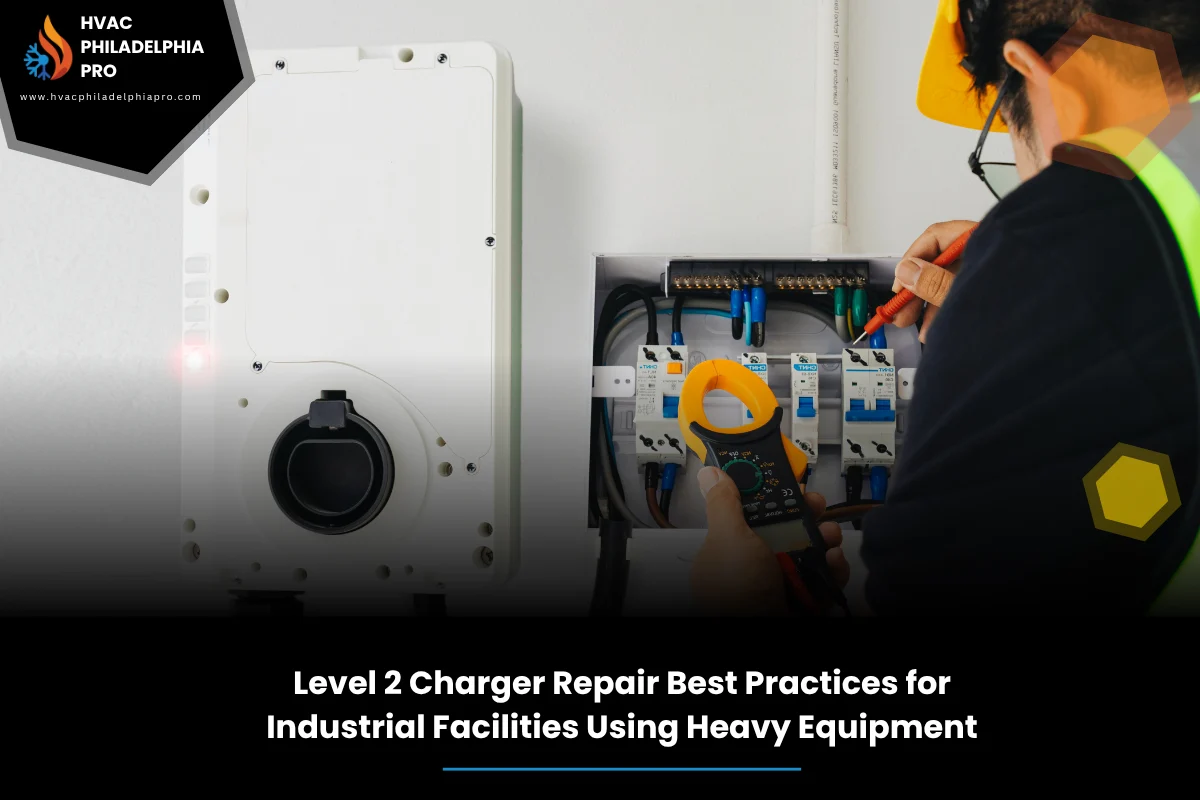
Learn Level 2 charger repair best practices for industrial sites using heavy equipment. Get safe workflows, diagnostic steps, breaker tips, and maintenance plans.
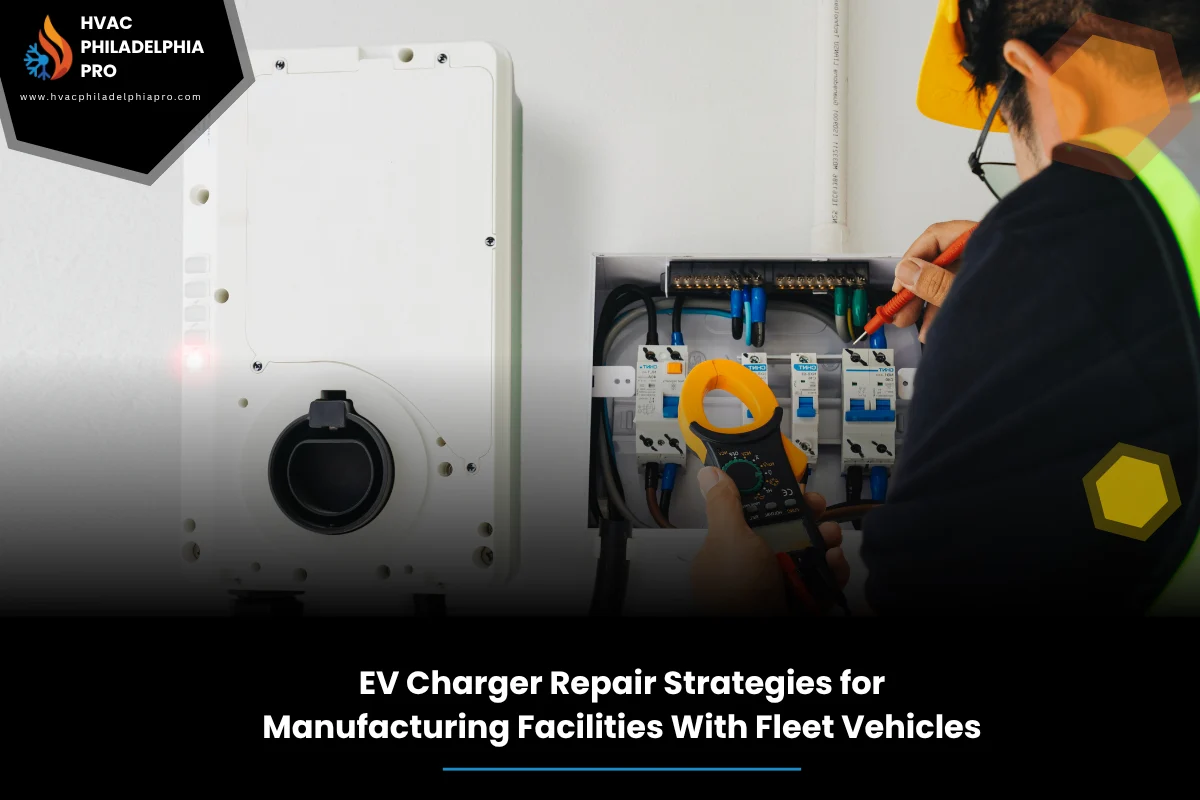
A clear plan for EV charging station repair in Philadelphia keeps manufacturing fleets moving. Learn failure modes, a root-cause workflow, parts to stock, safety steps, and a repair path that cuts downtime.