
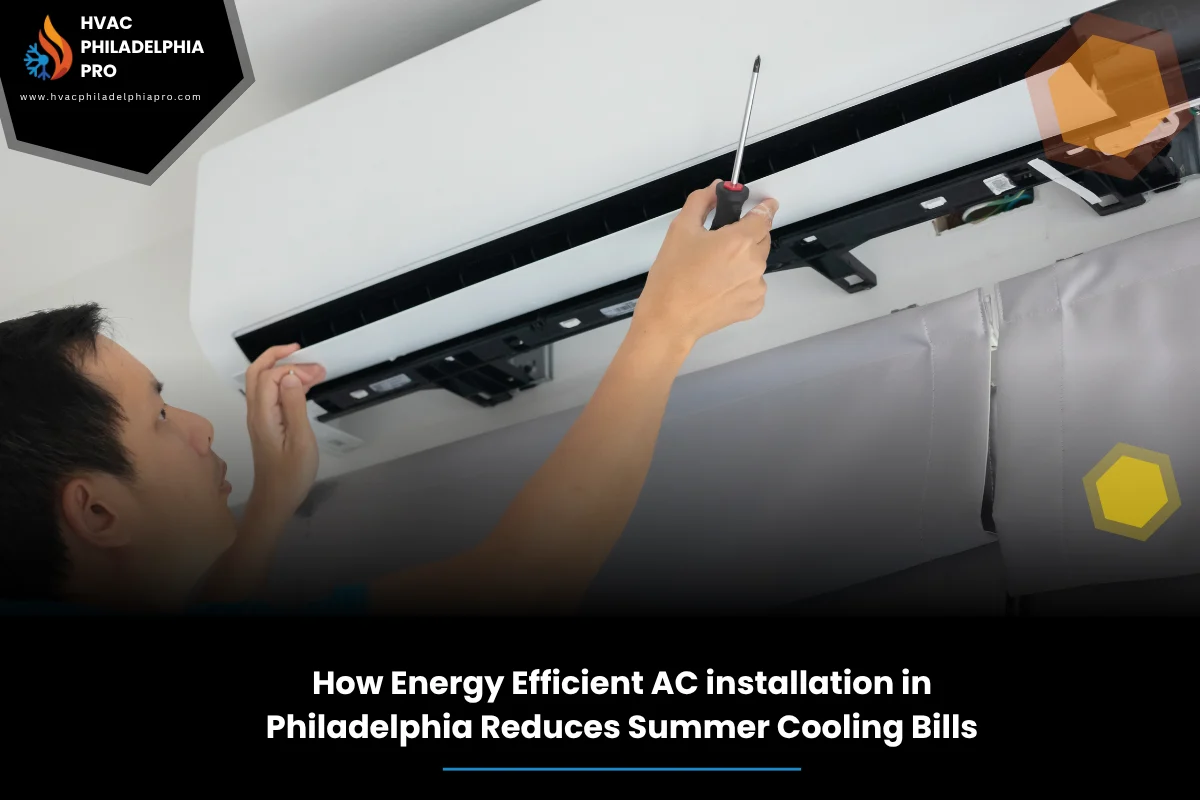
Philadelphia summers push AC systems hard, and bills rise fast when equipment is mismatched or poorly set up. With HVAC Philadelphia Pro, I see the same pattern often: a decent unit installed the wrong way wastes money. The fix starts with planning, careful setup, and small tweaks that help your system breathe easier.
You can cut usage without losing comfort. The key is energy efficient AC installation in Philadelphia paired with smart airflow, correct sizing, and simple controls. Put those pieces together, and the system runs cooler, quieter, and cheaper, even on the muggiest days.
If you are comparing options or planning an upgrade, consider this link for energy efficient AC installation in Philadelphia to understand what a well-executed project looks like from start to finish.
Table of Contents
Quick Summary
Most cooling waste comes from two things: sizing that is off and airflow that is blocked. Fixing those with a proper load calculation, tight ducts, and balanced registers can lower run time and smooth out indoor temps. Add a smart thermostat, and you trim even more.
Look for SEER rated AC systems that match your home’s size and layout. A careful air conditioning system installation is just as important as the equipment label. If you want the deeper nuts and bolts of setup steps, the company’s complete guide to AC installation in Philadelphia PA is a solid reference you can keep handy while you plan.
Why Installation Quality Drives Efficiency
A high efficiency air conditioner installation only pays off when the basics are right. That means a correct refrigerant charge, tight electrical connections, level equipment, clean drain routes, and steady airflow. Each step protects performance and stops small errors from compounding into big costs.
For a bigger picture on prep, permits, and layout choices, see the Complete Guide to AC Installation in Philadelphia PA for Reliable Home Cooling, which walks through the planning stage in plain terms. Use it as a checklist while you talk about options for your home.
The goal is a right-sized system that does not short cycle. Fast on-off bursts raise humidity and wear parts. A steady, even run at the right speed cools better and uses less power.
SEER and SEER2 Made Simple
SEER tells you how much cooling you get for the electricity you use over a season. SEER2 is the updated test that reflects real-world duct pressure better. Higher numbers mean more output per watt, but pairing that rating with proper duct design matters just as much.
According to the U.S. Department of Energy (2023), correct equipment sizing and efficient controls can cut cooling use compared to outdated setups when paired with good installation practices (U.S. Department of Energy. Central Air Conditioning). U.S. Department of Energy Energy Saver
Think of SEER as a ceiling. You only reach it when airflow is balanced, ducts are sealed, and the coil and filter stay clean. That is why a disciplined airflow balancing step belongs in every job.
A Simple Framework to Cut Summer Bills
Use this short plan to guide your choices. It works for new installs and for upgrades during central AC installation in Philadelphia rowhomes and twins.
- Start with a load calculation that factors sun, shade, windows, and tightness. Do not size by guesswork or by square feet only.
- Seal and fix ducts before new gear goes in. Tight ducts protect comfort and static pressure.
- Choose equipment that meets your SEER2 goal and fits your blower and coil.
- Set correct refrigerant charge and verify superheat or subcooling.
- Balance supply and return registers so rooms cool evenly.
- Train the thermostat schedule for your routine and lock in realistic setpoints.
For more step-by-step planning and safety notes, check the complete guide on this topic to see how prep, testing, and follow-up tune-ups fit together.
Choosing SEER Rated AC Systems: What Fits Your Home
SEER rated AC systems come in tiers. Do not chase a label alone. A system that matches your home, ducts, and budget will often outperform a premium unit installed poorly. If you want quieter rooms and steadier temps, a variable-speed blower with staged cooling can help without overcomplicating maintenance.
| Tier | Relative energy use | Typical features | Upfront cost | Best for |
|---|---|---|---|---|
| Entry Standard | Highest | Single-stage, basic controls | Lowest | Small homes, tight budgets |
| Mid-High | Lower | Two-stage, ECM blower | Mid | Most homes seeking comfort and savings |
| Premium | Lowest | Variable speed, advanced controls | Highest | Homes needing fine humidity control |
Pair the chosen tier with a tight duct system and a clean, matched indoor coil. That combo makes a high efficiency air conditioner installation deliver on the promise shown on the label.
Ductwork and Airflow Tuning
Leaky or undersized ducts waste energy and starve the coil. Before any equipment swap, pressure test and seal with mastic, not tape. Replace crushed flex runs and add returns where rooms feel stuffy. These fixes lower static pressure and boost airflow capacity.
After that, set blower speed and verify temperature split across the coil. A steady delta means the refrigerant circuit and air side are working as a team. That is the backbone of a solid air conditioning system installation.
Smart Controls and Zoning
A good thermostat helps the system think. Use a programmable thermostat or smart model to smooth schedules, avoid big swings, and trim runtime while you sleep or work. Set modest setbacks and keep fan set to auto unless your humidity is already under control.
Older three-story homes often benefit from zoning. With separate dampers and sensors, you can target warm floors without freezing the rest of the house. Zoning only saves when ducts are sealed and sized for the new zones.
Tie it together with gentle ramping fans and staged cooling to flatten peaks on hot afternoons.
Maintenance That Locks In Savings
Even the best setup drifts without care. Swap filters on time, keep the outdoor coil clear, and rinse the drain line. A seasonal check catches loose wires, weak capacitors, and low charge long before they spike your bill. A steady maintenance plan keeps efficiency near day-one levels.
Listen for new noises, watch for ice on lines, and track indoor humidity. Small signals often point to airflow or charge issues. Fix them early, and you protect comfort and the compressor.
Record your readings each year. Trends matter more than a single snapshot and guide when to fine-tune or upgrade.
FAQs
- How does installation quality affect my bill?
Correct sizing, sealed ducts, and a verified charge cut runtime and cycling. That keeps temperatures steady and reduces wasted power.
- What is the difference between SEER and SEER2?
Both measure seasonal efficiency. SEER2 uses updated testing that better reflects real duct conditions, giving a more practical rating.
- Do I need new ducts for central AC installation in Philadelphia?
Not always. Many homes can reuse ducts after sealing and resizing key runs. A pressure test guides what to fix first.
- Will a bigger AC cool my home faster and cheaper?
Bigger cools faster but often short cycles and wastes energy. The best pick is a right-sized system based on a load calculation.
- Are variable-speed systems worth it?
They can be when matched to good ducts and controls. Longer, quieter runs improve comfort and can reduce energy use.
- Can smart thermostats lower summer costs?
Yes, when schedules and setpoints are realistic. Aim for steady control and avoid extreme swings to protect efficiency.
- How often should filters be changed?
Check monthly during peak season and replace as needed. A clean filter protects airflow and the evaporator coil.
- What matters most during air conditioning system installation?
Load calculation, duct sealing, airflow setup, and a correct refrigerant charge. These steps let the equipment meet its rated efficiency.
Conclusion
Cutting summer bills is not magic. It is the sum of small, careful steps wrapped around energy efficient AC installation in Philadelphia. Start with a load calculation, fix the ducts, match the equipment, and tune the airflow. Then let smart controls and routine care do the quiet work day after day.
This approach fits rowhomes, twins, and larger houses alike. If you want a deeper walkthrough while you plan, keep the company’s complete guide to AC installation in Philadelphia PA close by for reference. Contact HVAC Philadelphia Pro for expert assistance, and build a setup that keeps your home cool without stressing your budget.
continue reading
Related Posts
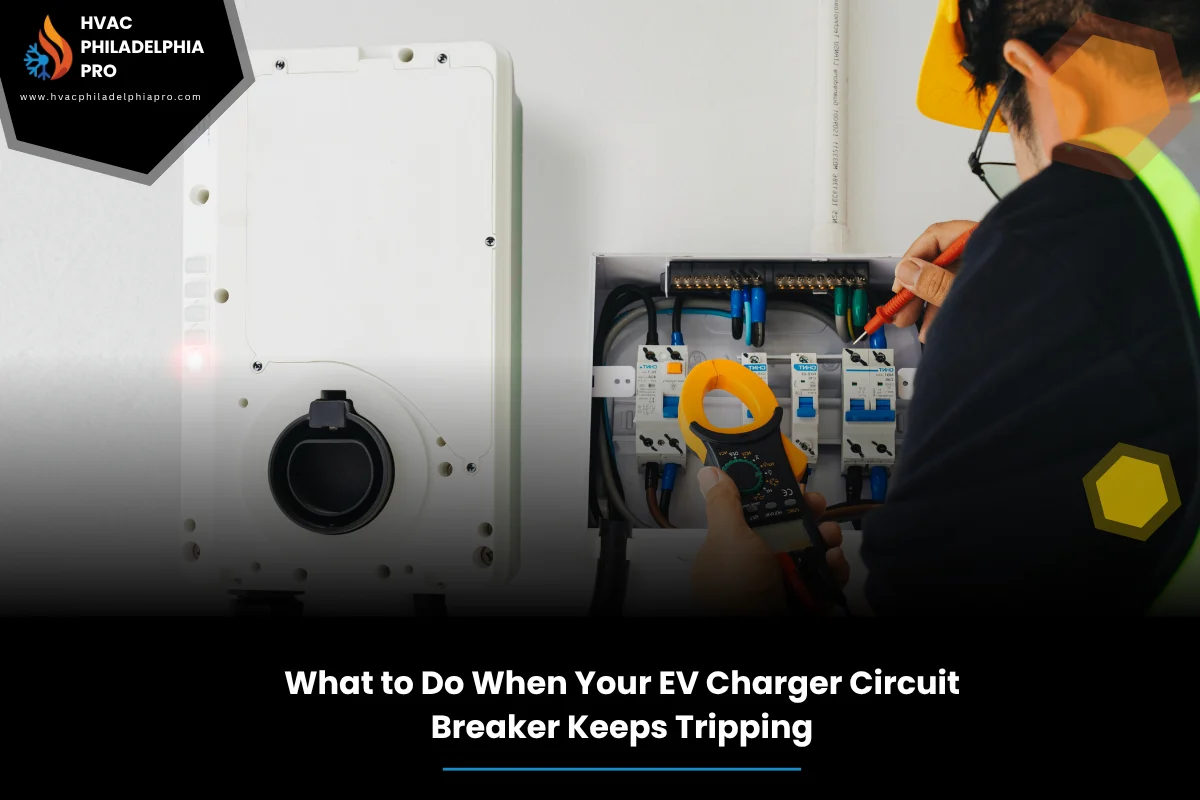
Breaker tripping with EV charging? Learn what to do when your EV charger circuit breaker keeps tripping. Follow safe checks, a simple framework, and real fixes that last.
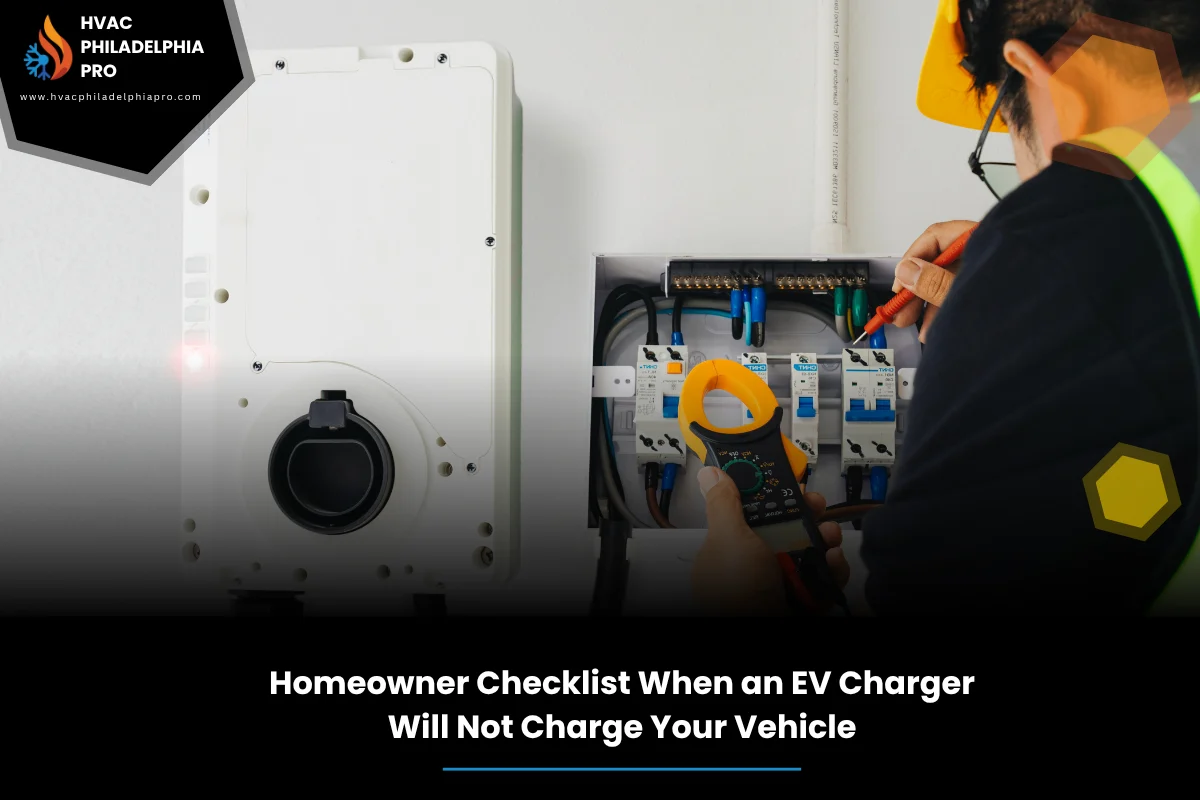
Stuck because your EV charger won’t charge vehicle? Use this clear homeowner checklist to fix power, settings, cable, and app issues before calling a pro.
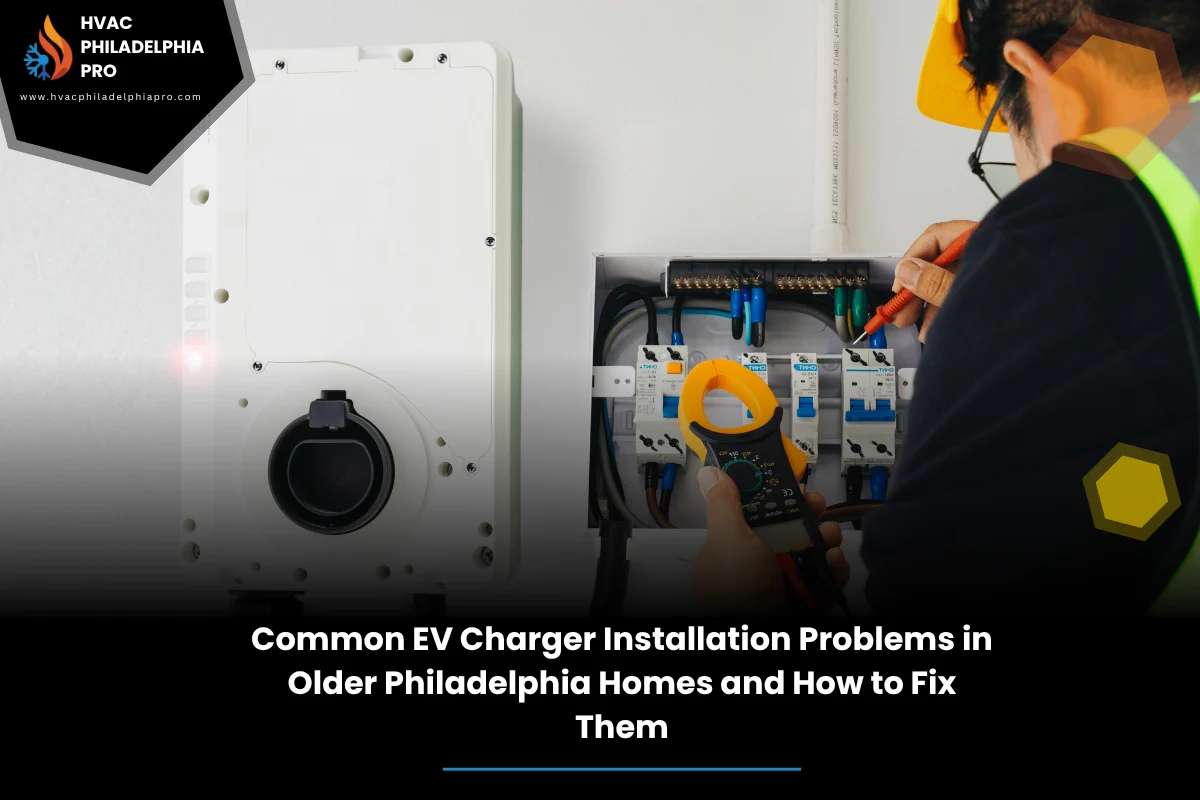
Learn common issues and fixes for electric vehicle charger installation in Philadelphia. From panel limits to 240V circuits, grounding, and permits, get a clear, safe plan.