
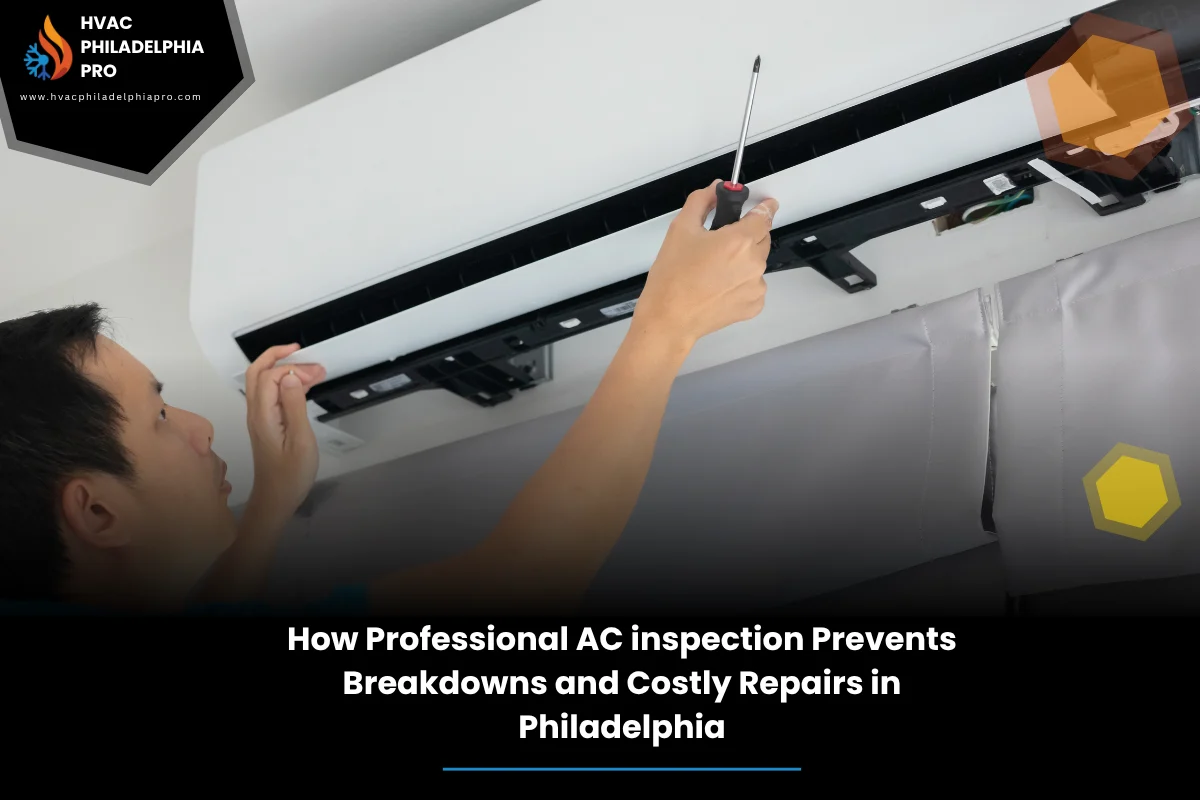
Summer heat in the city will test any air conditioner. A thorough AC inspection in Philadelphia keeps your system steady, safe, and ready to run when you need it most. Small issues can build fast, and once they snowball, you face bigger bills and sudden outages right when your home should feel cool.
Professional checks catch tiny faults before they get ugly. Loose wires, weak capacitors, clogged drains, and low refrigerant all hint at trouble ahead. When a trained tech looks closely, those hints turn into clear steps you can take now, not repairs you regret later. That is how inspections stop breakdowns and save money.
You want simple, honest answers from a team that shows up and explains things plainly. That is what HVAC Philadelphia Pro aims to do every day. In this guide, we’ll lay out why inspections matter, what a pro checks, a simple framework you can follow, and how to turn results into practical next steps without stress.
Table of Contents
Quick Summary
Think of an inspection like a health check for your cooling system. It finds wear, heat stress, and airflow limits before they become failures. A pro measures key readings, tests electrical parts, cleans what needs cleaning, and confirms safe operation. That gives you a clear path to action and fewer surprises in peak heat.
Use a routine visit as part of your plan for preventative maintenance. Pair it with a seasonal filter habit and a short visual check each month. If something looks or sounds off, act early. You will spend less on repairs over time, improve comfort, and keep energy use in line. This is also how smart homes sync with broader AC maintenance in Philadelphia PA best practices.
Why AC inspections stop breakdowns
Breakdowns do not begin with one big failure. They start as small stress points. During an inspection, a tech looks for early detection markers like heat-scorched wire ends, swollen capacitors, slow fan starts, or moisture around the air handler. Each clue points to a fix you can make before it takes the system down.
You can also learn where routine care fits in with your overall plan. For a deeper dive into seasonal steps and timing, check out the Complete Guide to AC Maintenance in Philadelphia PA for Reliable Home Comfort and keep it handy as a reference alongside your inspection notes.
Routine inspections reduce strain that leads to compressor failure, which is one of the most expensive fixes. By easing system load and catching airflow issues, you stretch the life of core parts and prevent those urgent calls on the hottest days.
What a pro looks for during an inspection
A good technician follows a set pattern and checks safety first. They test shutoff switches, inspect disconnects, and confirm tight connections. They look for signs of arcing, heat damage, or pests. This safety step avoids surprises when the system cycles and protects both your home and equipment.
Next, they focus on performance signals. Expect coil condition checks, refrigerant charge readings, temperature split measurements, and blower speed confirmation. The goal is balanced airflow, proper pressure, and steady cooling output under load.
Lastly, they review drainage and cleanliness. A clear condensate line, clean pan, and tidy cabinet make a big difference. Dust and algae in the wrong spots can trigger leaks, shutdowns, or sensor faults long before you notice comfort changes.
Common warning signs you can spot early
Some problems show up before failure. If you catch them, you can schedule help on your terms. Unusual noises on startup or shutdown point to fan or motor stress. Warm air from some vents hints at duct or coil issues. Moisture near the indoor unit may signal a clogged drain.
Short, fast cooling cycles suggest short cycling, which can overwork the compressor and hike bills. Weak airflow could be a filter, but it might also be a duct leak or blower issue. A musty smell can point to drain problems or a dirty coil surface that needs care.
If your thermostat readings jump around, check sensor placement and batteries. Drifting setpoints may also mean the system is working too hard to reach the target, which is another reason to plan a check.
A simple AC inspection framework you can follow with your tech
Use this framework to stay organized. It keeps talks with your technician clear, and it turns notes into action. You do not need tools to follow it; you just need a habit and a place to track findings and next steps.
Step 1: Baseline Note room temps, humidity feel, and any noises or smells. Log filter age and last cleaning. Simple baselines reveal changes fast.
Step 2: Airflow Confirm filter status, register clearance, and outside unit clearance. Air in and air out must be free and balanced.
Step 3: Safety and power Ask your tech to review disconnects, wiring, and electrical testing on capacitors and contactors. Safety first, always.
Step 4: Cooling performance Review coil condition, temperature split, blower speed, and refrigerant readings with your tech. Keep these numbers in your log.
Step 5: Drain and controls Confirm clear condensate lines, float switch function, and solid thermostat placement. These small items prevent surprise shutdowns.
For a full seasonal rundown you can bookmark, check the complete guide on this topic and pair it with the framework above for a balanced plan.
DIY checks vs pro diagnostics
You can handle simple care, but some steps need trained tools and safe handling. This table shows what fits where so you do not end up risking damage or voiding a warranty.
| Task | DIY Friendly | Pro Only | Why it matters |
|---|---|---|---|
| Filter changes | Yes | No | Clean filters protect coils and keep airflow steady. |
| Outdoor debris clearing | Yes | No | Leaves and lint choke airflow around the condenser. |
| Thermostat basics | Yes | No | Battery checks and schedules improve comfort control. |
| Coil cleaning | Light rinse only | Deep clean | Coil service prevents heat transfer losses and stress. |
| Electrical testing | No | Yes | Capacitors and contactors need safe meter checks. |
| Refrigerant diagnosis | No | Yes | Charge testing sets system pressures and cooling output. |
| Duct balancing | No | Yes | Flow readings align comfort room to room. |
When an inspection can prevent an emergency
Most emergency calls start with a small miss. A blocked drain trips a switch, the system shuts down, and the home warms up fast. A weak capacitor passes yesterday’s test but fails in the afternoon heat. Inspections find and fix these before timing turns them into urgent events.
A strong inspection plan pairs with preventative AC maintenance in Philadelphia. That means a steady filter habit, clear space around the condenser, and logs of readings you can compare each visit. Patterns reveal failing parts early.
When you keep small fixes on schedule, you avoid the stress and cost of emergency AC maintenance in Philadelphia. You also free up time to plan upgrades when they make sense instead of rushing a choice.
How often and when to schedule checks
Book your inspection ahead of summer so you are ready for the first heat wave. If you run the system hard or have pets, consider a fall touch-up too. Use a simple calendar reminder so the cycle resets each year without guesswork.
According to the U.S. Department of Energy (2023), steady HVAC upkeep like filter changes and coil care supports efficiency and reduces failure risk during peak seasons. Energy Saver: Maintaining Your Air Conditioner
Aligning your visit with broader AC maintenance in Philadelphia PA practices helps you catch wear from long cooling seasons. If your home has indoor air issues or frequent construction dust, add a mid-season check to keep coils and drains clean.
From findings to fixes: what to do after the report
After the visit, make a short to-do list with dates. Prioritize safety and parts nearing failure first. Then, plan comfort tweaks like duct sealing or control settings. A clear order prevents delays and keeps spending under control.
If you need help turning inspection notes into action, schedule an AC inspection in Philadelphia to confirm readings, fix small faults, and set a realistic plan you can follow through the season.
When parts are borderline, talk through the repair vs replace choice using age, efficiency, and comfort goals. For many homes, a timely repair paired with airflow fixes can add seasons of reliable service before a replacement makes sense.
Create your simple AC maintenance checklist
Keep a running AC maintenance checklist so tasks do not slip. Month 1: replace or clean filters. Month 2: clear outdoor debris and check cabinet panels. Month 3: review drain line and pan. Repeat and note anything odd in sound, smell, or comfort.
Each spring, schedule AC service in Philadelphia PA with a pro-focused review of coils, electrical parts, and refrigerant. Each fall, confirm heating changeover settings and vents. Over time, this small habit reduces surprise costs and keeps air steady and clean.
Pair your checklist with simple notes from each visit. With a record of readings and fixes, your next inspection gets faster, clearer, and easier to plan.
Frequently Asked Questions
- How often should I book an AC inspection?
Once a year before summer is a solid rule. If you have pets, allergies, or run the unit hard, add a mid-season check. Consistent timing helps spot small changes fast.
- What is the difference between inspection and AC maintenance in Philadelphia PA?
An inspection is the detailed review and testing. Maintenance includes cleaning, adjustments, and fixes found during the check. Many visits combine both to save time.
- Can I prevent emergency AC maintenance in Philadelphia with DIY care?
Yes, to a point. Change filters, clear debris, and watch for noise or moisture. Leave electrical tests, refrigerant work, and deep coil cleaning to a pro.
- Which parts fail most often without preventative AC maintenance in Philadelphia?
Capacitors, contactors, and dirty coils lead the pack. Clogged drains are common too. Regular checks catch these early and keep the system from overworking.
- Does an inspection help lower energy bills?
Yes. Balanced airflow, clean coils, and correct refrigerant reduce run time and cycling. That steadier operation trims waste and improves comfort.
- What should be on my AC maintenance checklist?
Filters, outdoor clearance, drain line check, coil condition review, thermostat settings, and a yearly pro visit. Keep notes so you can compare from season to season.
- When should I consider a replacement instead of repairs?
Look at age, repair frequency, and comfort gaps. If major parts fail on an older unit and bills keep rising, a planned replacement may be smarter than repeated fixes.
- Is refrigerant loss normal after winter?
No. Systems are sealed. If pressures are low, there may be a leak that needs professional diagnosis and proper repair before recharging.
Conclusion
Professional checks do more than find problems. They map a clear plan to run steady through summer heat and avoid big repair bills. With a habit of AC inspection in Philadelphia, a smart checklist, and timely fixes, you can keep comfort high and stress low in every room of your home.
Use the framework here, compare notes from each visit, and keep an eye on small changes. When you need guidance or a careful second look, contact HVAC Philadelphia Pro for expert assistance. Tie your inspection plan to wider AC maintenance in Philadelphia PA best practices, and your system will be ready when the heat shows up.
continue reading
Related Posts
Breaker tripping with EV charging? Learn what to do when your EV charger circuit breaker keeps tripping. Follow safe checks, a simple framework, and real fixes that last.

Stuck because your EV charger won’t charge vehicle? Use this clear homeowner checklist to fix power, settings, cable, and app issues before calling a pro.

Learn common issues and fixes for electric vehicle charger installation in Philadelphia. From panel limits to 240V circuits, grounding, and permits, get a clear, safe plan.