
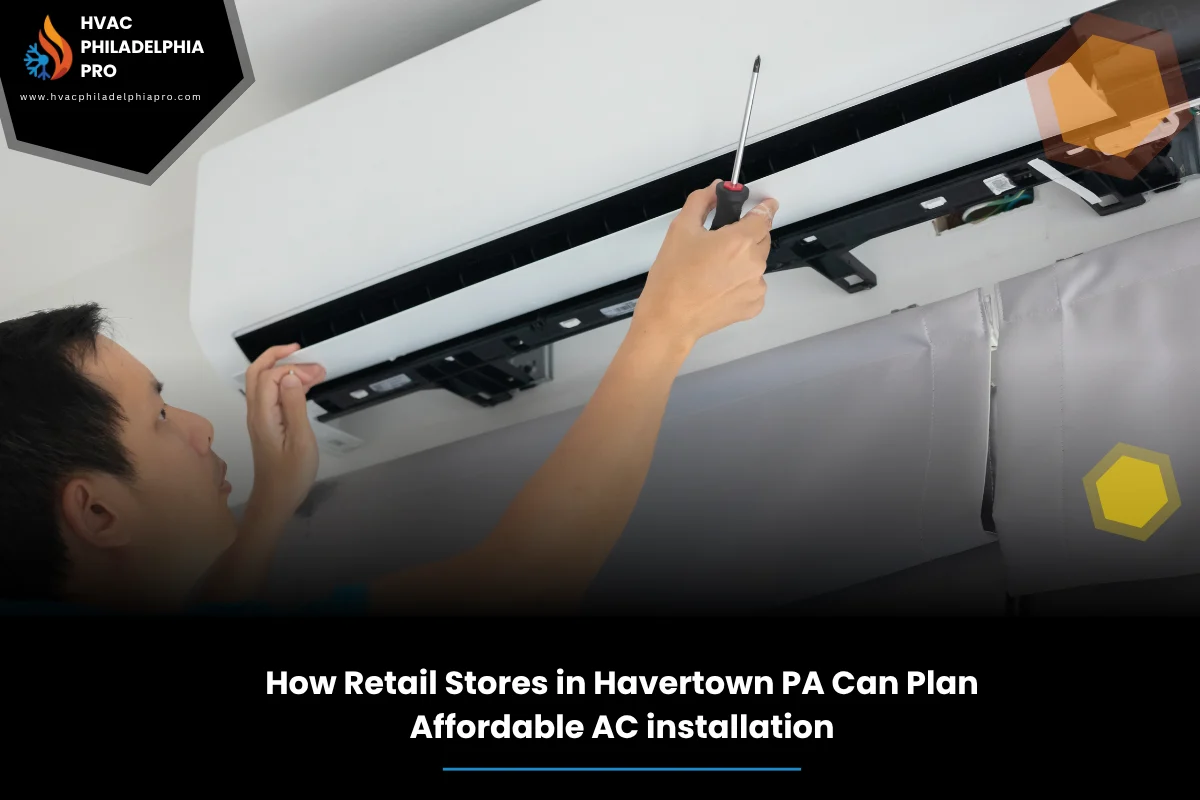
Small shops and boutiques in Havertown run on comfort. If the store feels stuffy, people leave fast. Planning for affordable AC installation in Philadelphia starts with a clear plan, not guesswork. You want steady temps, low noise, and fair costs without surprises. The good news: a smart plan can deliver all three.
At the first step, get your goals and limits on paper. Think about hours of operation, heat from lighting, and how many people walk in during peak times. If you need help mapping options and trade-offs, look at affordable AC installation in Philadelphia offered by teams that work with small retail every day. That way you keep the learning curve short.
HVAC Philadelphia Pro serves homes and small businesses across the region, fixing problems and installing systems without drama. This guide focuses on planning for retail stores in Havertown PA, and it also references the bigger picture from the citywide perspective covered in the complete guide to AC installation in Philadelphia PA for reliable home cooling.
Table of Contents
Quick Summary
Retail stores in Havertown can control AC costs by setting clear comfort goals, choosing the right system type, and planning the job in steps. Start with sizing and layout, then budget with a small cushion for hidden fixes. Compare options like split systems, packaged rooftops, and VRF. Build a timeline around store hours, and check noise and airflow at the door and fitting areas. Use rebates and high-efficiency choices if the payback fits your plans. Finally, commission the system and train staff on daily checks so comfort stays steady and bills stay reasonable. If you want the broader city context, the complete guide to installation and reliable home cooling links below deepen key parts of this plan.
Why Planning Matters for Havertown Retail Stores
A good plan trims waste before it starts. It also lowers the chance you forget something simple, like electrical capacity or roof access. Most of all, planning helps you see the full picture, not just today’s bill but the total cost of ownership over the next few years.
For deeper background on steps, parts, and decisions across the city, you can review the Complete Guide to AC Installation in Philadelphia PA for Reliable Home Cooling. It gives more context that fits what Havertown stores face in summer.
Set Goals: Comfort, Savings, and Upgrades
Write down the comfort range you want during busy hours and slow hours. Be clear about noise limits and where air should flow first. If your lights throw off heat near the front counter, plan vents and returns to handle that hot spot.
Decide which upgrades matter now and which can wait. Do you need smart controls on day one? Would better filtration help with dust from foot traffic? Set a core setpoint and a few must-haves. Keep the rest as nice-to-haves.
According to the U.S. Department of Energy, right-sizing equipment and sealing ducts are two of the most effective ways to cut energy use and improve comfort (U.S. Department of Energy, 2023). Energy Saver: Central Air Conditioning
Choose the Right System Type for Small Retail
Different stores need different AC setups. A small boutique may lean on a split system with indoor air handler and outdoor condenser. A corner shop may prefer a packaged rooftop to save indoor space. Larger floor plans might benefit from VRF for tight temperature control.
| System Type | Typical Fit | Install Impact | Efficiency | Maintenance |
|---|---|---|---|---|
| Split System | Small shops, limited roof access | Indoor unit plus outdoor condenser | Good, varies by model | Filter changes, coil cleaning |
| Packaged Rooftop | Shops with roof access and ductwork | Roof crane needed, minimal indoor space | Good to very good | Roof service access |
| VRF/VRV | Zones, longer hours, tight control | More planning, flexible piping | Very high, excellent part-load | Pro maintenance schedule |
Match system type to your store size, layout, and operating schedule. Avoid guessing. Focus on solid right-sizing and indoor comfort where customers linger.
Smart Budgeting and AC installation cost in Philadelphia
Most retail stores want clear numbers before they start. Think in ranges, not single figures. Include equipment, labor, electrical work, possible duct fixes, and a small cushion for surprises like old wiring or weak roof curbs.
| Tier | Scope | Typical Range |
|---|---|---|
| Basic | Standard split or small packaged unit, simple swap, minor duct touch-ups | 5,000 to 9,000 |
| Mid-range | Higher efficiency unit, moderate duct changes, smart thermostat | 9,000 to 18,000 |
| Advanced | VRF or multi-zone, major duct or electrical work, controls upgrade | 18,000 to 35,000 |
Note: Actual pricing may vary depending on scope and requirements. When comparing AC installation cost in Philadelphia, add a small contingency line for hidden repairs. That keeps your plan realistic.
Site Prep and Layout: Ducts, Loads, and Noise
Comfort starts with sizing. A proper load calculation looks at storefront glass, sun exposure, lighting, and people. It guides unit capacity and duct sizing so the system does not short cycle or lag.
Next, check ducts and returns. Tight spaces need short, smooth runs. Seal leaks and balance air so front doors and fitting rooms feel even. Plan return paths that do not pull air across the register or customer areas.
Finally, manage noise. Place indoor units and returns away from quiet zones. Use vibration pads and line sets planned to avoid hums near the checkout counter.
Energy Efficient Choices That Pay Back
Energy efficiency saves money month after month. When looking at energy efficient AC installation in Philadelphia, check the SEER2 rating for cooling performance. Higher ratings often cost more upfront but can cut bills over time.
Also consider fan speed control, smart thermostats, and staged or variable capacity. Simple steps like duct sealing and door air curtains can lock in gains. If rebates are listed by local utilities, fold that into your plan.
Match efficiency add-ons to store hours. Long hours usually see faster payback. Short hours may call for a smaller list of upgrades now and the rest later.
A Simple 6-Step Framework to Plan It Right
Use this short framework to move from idea to working system with clear milestones.
- Define goals: comfort range, noise, zones, and hours of use.
- Assess the site: measure space, check power, inspect ducts, and rooftop access.
- Pick system type: split, rooftop, or VRF matched to size and zoning.
- Set budget: equipment, labor, electrical, and a cushion for hidden work.
- Plan install days: protect inventory, schedule off-hours, and line up permits.
- Commission and train: verify airflow, charge, controls, and staff basics.
If you want more detail on each stage, compare your notes with the complete guide on this topic so your retail plan tracks with proven steps across the Philadelphia area.
Timeline and Coordination for Retail Operations
Protect your sales hours. Set a schedule that avoids peak times. Ask about night or early morning work. If a crane is needed for a rooftop unit, plan it for low-traffic times on the street.
Stage materials near the back to keep aisles open. Use a clear path for crews and cover racks or counters with clean wraps. A phased installation keeps most of your floor open while work moves zone by zone.
Keep a simple communication plan: who unlocks, who signs off each day, and who checks the thermostat on first run. Clear roles cut delays.
Quality Checks, Commissioning, and Training
Do not skip final checks. Good commissioning confirms refrigerant charge, airflow, supply temps, and controls. This locks in efficiency and keeps hot spots from showing up later.
Walk the store and feel the air at the front, fitting rooms, and checkout. Adjust diffusers as needed. Set schedules for open and close times and test override rules.
Train staff on basic care: change filters on time, keep returns clear, and note any new noises. A five-minute huddle can save service calls.
Maintenance and Seasonal Readiness
Plan simple preventive maintenance so your system stays steady through Philly’s sticky summers. Filters, coil cleaning, and drain checks matter more than most people think.
Create a small log: filter dates, any odd sounds, and any hot or cold zones. Share it during seasonal tune-ups so techs can fix issues before they grow.
A light maintenance plan also helps protect energy savings you get from high-efficiency gear. Skipping tune-ups can throw those savings away.
FAQ for Havertown Retail Stores
- How long does a typical retail AC install take?
Many small retail installs wrap in one to three days, depending on system type and any electrical or duct updates. Larger or multi-zone setups may take longer, especially if roof work or crane time is needed.
- What size AC does my store need?
Size depends on a proper load calculation that looks at square footage, windows, sun, lighting, and people. Avoid rules of thumb. Right-size the system so it runs steady without short cycling.
- Can I install during business hours?
Sometimes. Many stores schedule noisy or dusty work off-hours, then allow light tasks during open times. A good plan protects displays and keeps aisles safe.
- What boosts efficiency without a full upgrade?
Seal ducts, balance airflow, add a smart thermostat, and keep filters clean. Simple fixes can trim bills and improve comfort while you plan a larger upgrade later.
- Are rooftop units louder inside the store?
Not usually. Sound stays outside if ducts are sealed and returns are placed well. Indoor noise often comes from air rushing, not the unit itself, so diffuser and duct choices matter.
- What affects AC installation cost in Philadelphia the most?
System size and type, duct changes, electrical upgrades, roof access, and controls. Unseen issues like old wiring or failing roof curbs can also add time and cost.
- Should I zone my retail space?
If parts of your store heat up faster than others, zoning can help. It adds control and comfort but can increase complexity. Match zones to clear comfort needs.
- Do I need permits?
Many installs require permits. Your installer typically handles the process. Allow time in the schedule so inspections do not delay final startup.
Conclusion
Havertown retail stores can plan affordable AC installation in Philadelphia by setting clear goals, picking the right system type, and budgeting with a small cushion. Map your timeline, protect the sales floor, and confirm quality with a good commissioning walk-through. Keep the energy plan simple and stick with seasonal maintenance to hold your gains.
If you want to dig deeper, compare your store plan with the citywide guidance in the complete guide to AC installation in Philadelphia PA for reliable home cooling. When questions pop up or you need a second set of eyes, Contact HVAC Philadelphia Pro for expert assistance. A little planning now saves time, money, and stress all summer long.
continue reading
Related Posts
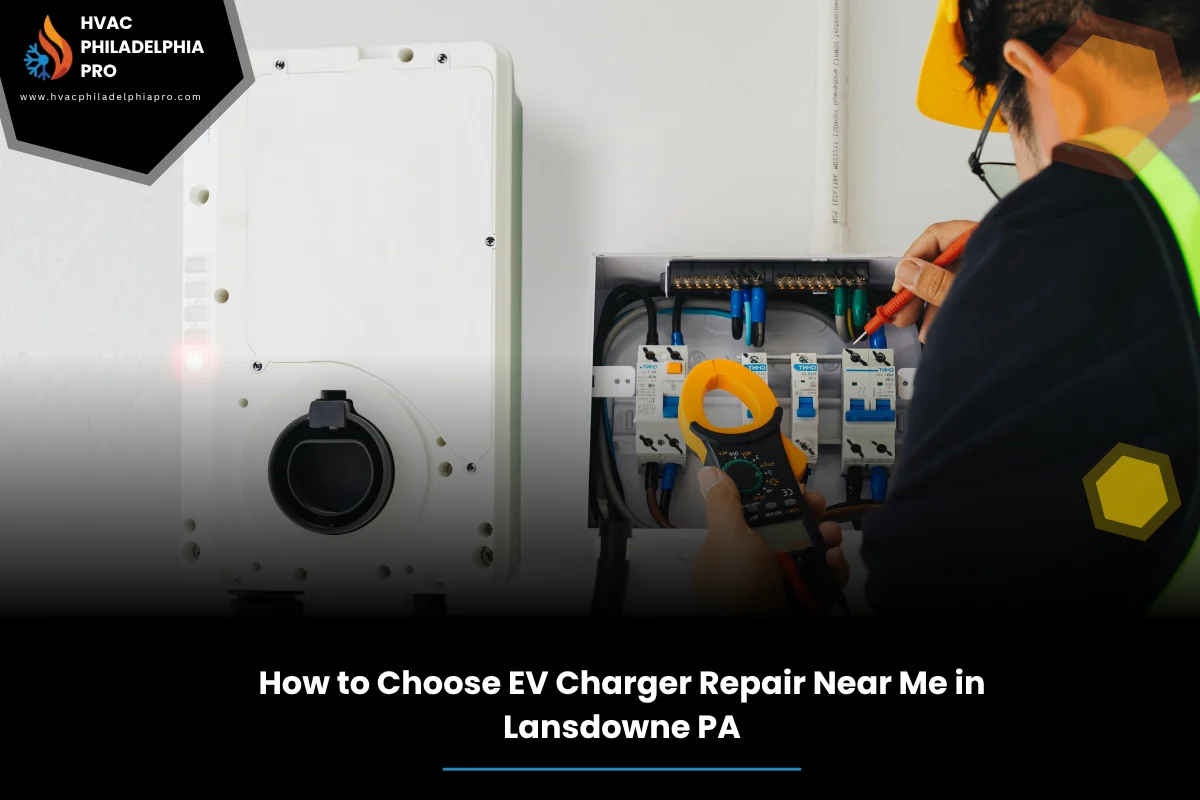
Learn how to choose EV charger repair near me with clear safety checks, a simple shortlist framework, and provider comparisons so you can fix issues fast and right.
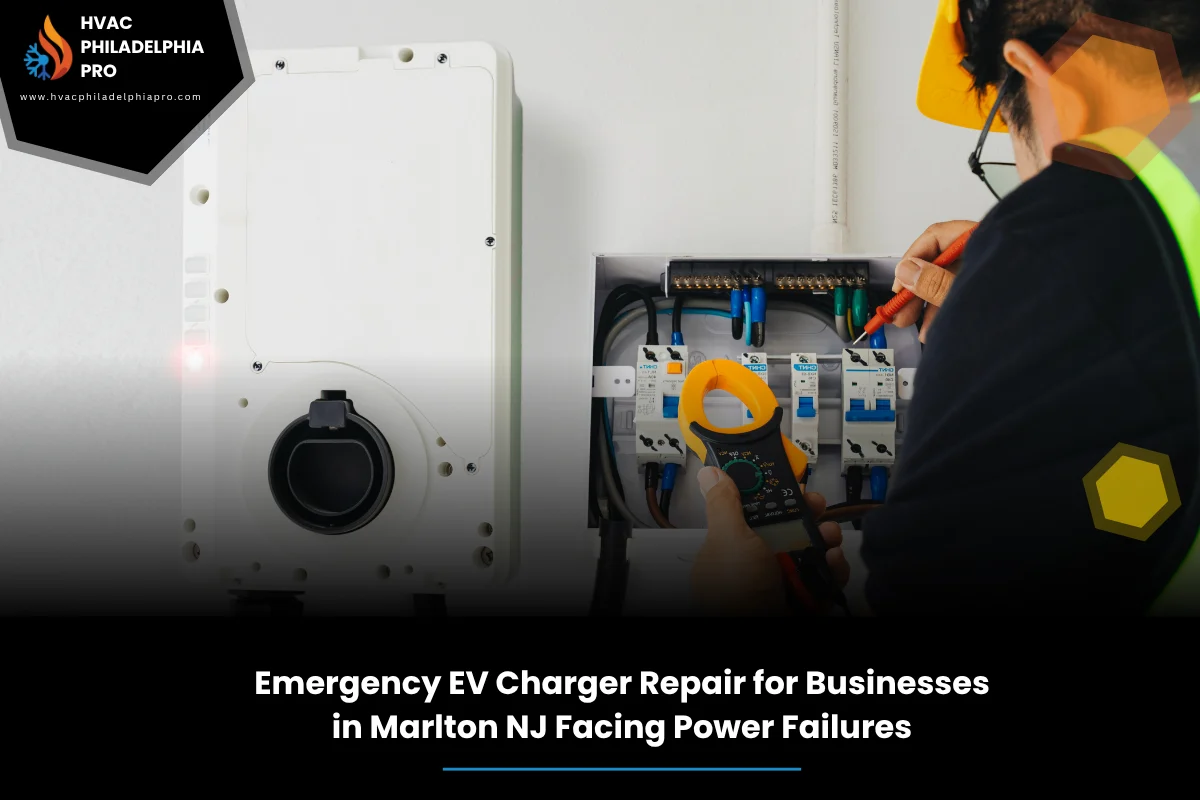
Power failures can freeze business chargers. Learn fast triage, common faults, and safe fixes for Marlton NJ sites, plus when to use emergency EV charger repair in Philadelphia.
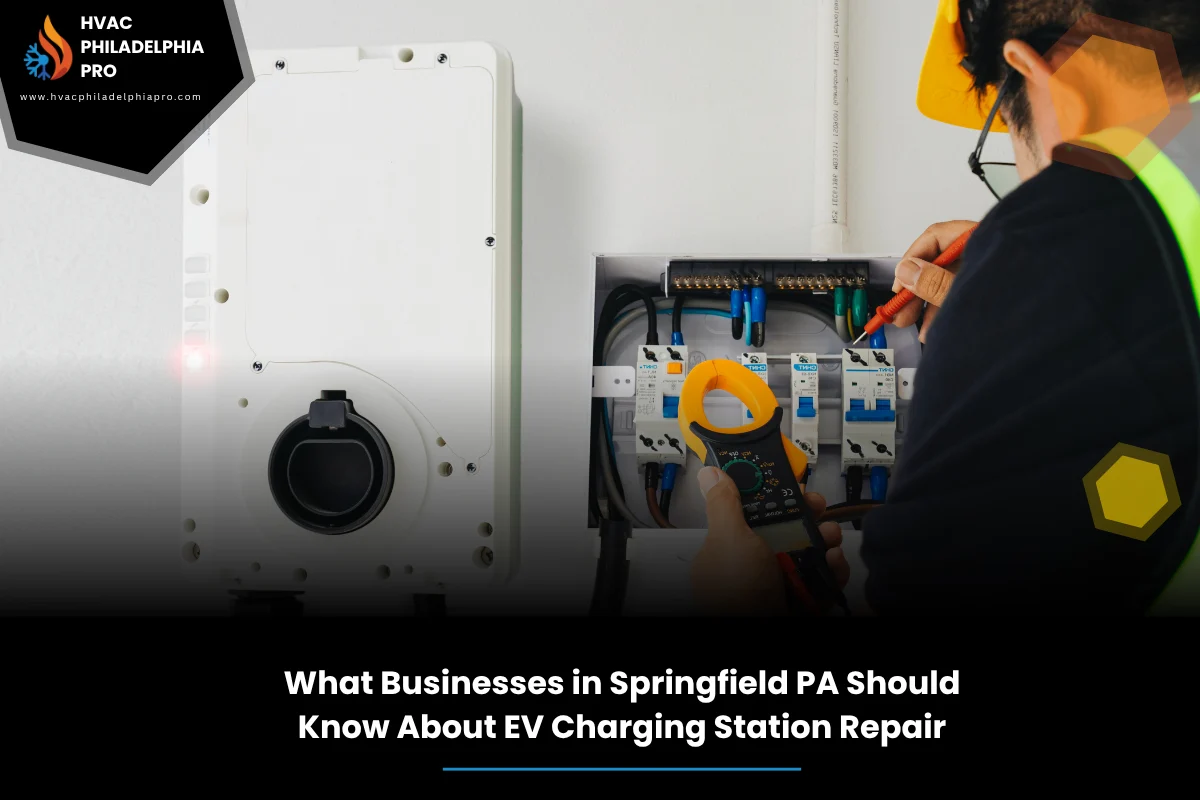
Practical guidance for Springfield PA businesses on EV charging station repair in Philadelphia, with fast triage steps, safety basics, network vs standalone tips, and industry-specific advice.