
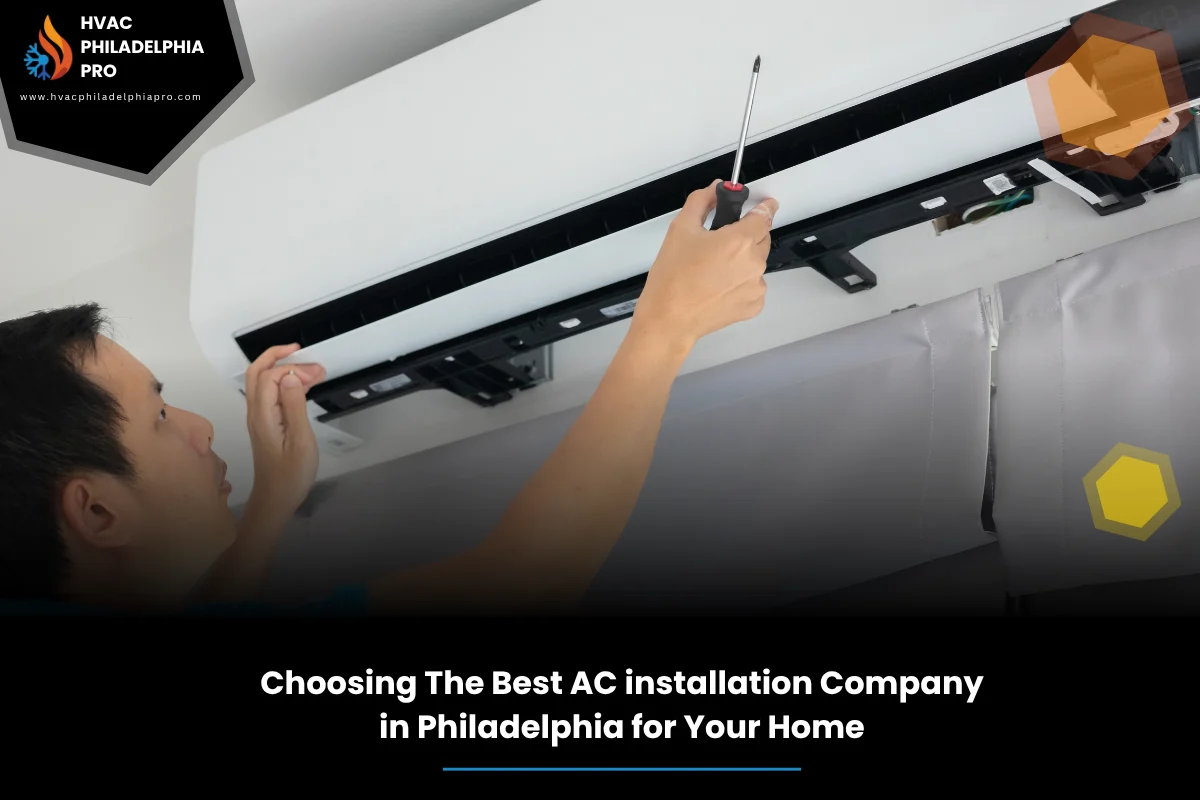
Searching for the best AC installation company in Philadelphia can feel messy. There are lots of brands, timelines, and promises. A good installer does more than hook up a unit. They match the system to your home, set it up the right way, and make sure it runs safely and efficiently for years.
At HVAC Philadelphia Pro, we see how the right plan prevents callbacks and surprise costs. If you want a quick path to local help, review the best AC installation company in Philadelphia service page to understand what a full, code-compliant install should include. This guide stays neutral and focuses on how to choose well, compare quotes, and avoid shortcuts that hurt comfort.
Table of Contents
Quick Summary
Picking an installer starts with your home. The contractor should assess your load, ducts, and electrical, then size the unit and plan the placement. Look for permits, clear scopes, strong warranties, and a clean startup process. For a longer walk-through of parts, tools, and common steps, see the Complete Guide to AC Installation in Philadelphia PA for Reliable Home Cooling. In short, choose the team that proves fit, not just brand. Ask how they handle system commissioning, what duct fixes they include, and how they protect your home during work. Speed is nice, but accuracy on day one saves money later.
What Makes a Great AC Installer in Philly Homes
Good installers follow the home, not hype. They start with a proper home evaluation, not a one-size quote over the phone. Expect a clear plan for equipment, ducts, drain, pad, and power. They also explain what happens if surprises pop up.
Check proof of licensing and insurance. Ask about training on your brand and who will be on site. A great crew documents everything and stands behind their installation quality with a written warranty and startup checklist.
Pay attention to communication. If they answer questions in plain words and show their steps, you can trust the process. That same clarity should appear in the quote and timeline.
System Types and What Fits Your Home
Your home layout, ducts, and comfort goals guide your pick. Traditional split systems, heat pumps, and ductless mini splits all work in Philadelphia, but they fit different needs. Think about rooms that struggle, insulation, and any plans to remodel soon.
Here is a simple comparison to get you started:
| Type | Best For | Pros | Considerations |
|---|---|---|---|
| Split Central AC | Homes with solid ductwork | Whole-home comfort; many sizes | Needs tight ducts; outdoor space |
| Heat Pump | Year-round heating and cooling | Efficient heating and cooling | Performance varies in deep cold; proper sizing critical |
| Ductless Mini Split | Add-ons, attics, basements, no ducts | Room-by-room control; no ducts | Indoor heads visible; outdoor placement matters; zoning strategy needed |
Ask your installer to explain why they recommend one type over another for your house. Their reason should tie to load numbers, duct condition, and your comfort targets.
Sizing, Load, and Ductwork Basics
Right size matters more than brand. Oversized units short cycle and waste power. Undersized units run nonstop and still feel warm. Your contractor should run a Manual J load calculation and check insulation, windows, and air leaks.
According to U.S. Department of Energy (2023), correct sizing and proper duct sealing improve comfort and efficiency while lowering operating costs.U.S. Department of Energy: Central Air Conditioning
Ducts make or break comfort. Ask for a duct inspection with static pressure readings. If the ducts are leaky or undersized, fixes should appear in the scope. A clean install with poor ducts still performs poorly.
Timeline: From Quote to Cool Air
A smooth project follows a simple path. Use this step-by-step framework to plan your day and set expectations with your contractor. It keeps surprises down and results strong.
Step 1: In-home assessment. Expect measurements, load calc, and a written plan.
Step 2: Detailed quote with equipment, line items, and options.
Step 3: Scheduling, permits, and prep.
Step 4: Install day with protection for floors and walls.
Step 5: System commissioning with readings and thermostat setup.
Step 6: Final walkthrough, how-to, and warranty docs.
For a deeper step list and checks, see the complete guide on this topic.
This path matches the core flow outlined in the complete guide to AC installation in Philadelphia PA for reliable home cooling. Ask your installer to share their own checklist so you can compare.
Red Flags and Risk Checks Before You Sign
Beware of quotes that skip the home visit. If they only ask for square footage, they are guessing. Also watch for vague scopes that hide duct fixes or electrical work. Vague scopes often lead to change orders mid-job.
Another sign: lack of permits or pressure to pay in full upfront. Reasonable deposits are normal. Full payment before work starts is not. Lastly, if they dislike questions, keep looking. Good teams explain their plan.
If a deal looks too good, compare the equipment model numbers, install details, and labor warranty. Many “cheap” installs cost more in power and repairs later.
Warranty, Permits, and Code Essentials
Permits protect you. They help ensure safe electrical, drain, and refrigerant work. Ask who handles permits and inspections. This should be in writing along with the planned inspection day and who will meet the inspector.
Confirm the manufacturer warranty length and how to register it. Some brands need online registration within a set window. Also ask about labor warranty, what it covers, and the claim process.
Your installer should follow local code. That includes breaker size, disconnect placement, pad and clearances, and condensate drain rules. If they hesitate, that’s a red flag.
Same Day vs Planned Installation: When Speed Matters
Sometimes you need cold air fast. Same day installation trades flexibility for speed. It works best if your home already has good ducts and power. The crew can swap equipment and get you running with less prep.
When ducts need work, plan a full-day or multi-day job. Rushing duct changes, sealing, or line-set routing leads to poor results. If you ask for same day AC installation in Philadelphia, expect the scope to be simpler.
Ask the installer to explain any shortcuts they plan. If they skip commissioning or duct tests to save time, consider waiting one more day.
How Location and Home Style Shape the Plan
Rowhomes, twins, and single homes in Philadelphia each have quirks. Tight lots can limit outdoor unit placement and clearances. Rowhomes often benefit from ductless for top floors or a heat pump for year-round use.
Attic installs need solid platforms, drains, and pan sensors. Basements need sump and drain planning. In every case, equipment placement affects sound and service access. Make sure the plan covers these details.
If you searched for AC installation near in Philadelphia, you likely want a crew that knows these layouts. Ask what they have done in a home like yours and how they handled access and permits.
How to Compare Quotes Without Guesswork
Line up quotes side by side. Look at model numbers, capacity, efficiency ratings, scope of work, duct fixes, electrical, and warranties. The total price matters, but so does what is included. Clear scopes help you compare apples to apples.
Ask each contractor to explain their scope of work in plain words. If they can’t, that’s a concern. If they can, you can judge value and risk. For extra clarity, request a commissioning checklist sample.
Looking for affordable AC installation in Philadelphia? Compare lifetime costs too. A cheaper unit that is sized and sealed well can beat a pricey unit installed poorly.
Strategy: A Simple 5-Point Checklist to Pick Your Installer
Use this fast checklist to decide with confidence. It balances speed and diligence so you can move forward without stalling.
1. Proof: Licensing, insurance, references. 2. Fit: Load calc, duct test, and a plan that matches your home. 3. Scope: Written details for equipment, ducts, drain, pad, power, and permits. 4. Commissioning plan: Measured readings, thermostat setup, and homeowner training. 5. Warranty: Manufacturer registration and labor coverage, in writing.
If you want a deeper dive into parts, tools, and step order, the complete guide to AC installation in Philadelphia PA for reliable home cooling expands on each item from start to finish.
FAQ
- How long does a typical home AC installation take?
Most straightforward replacements finish in one day. If ducts need changes, expect one to two days. Complex layouts or added zones may take longer.
- Do I need new ducts for a new AC?
Not always. If ducts are tight and sized well, you can keep them. If they leak or choke airflow, plan repairs or resizing during the install.
- What efficiency rating should I choose?
Pick an efficiency level that fits your budget and usage. Higher ratings save energy but only pay off if installed and sized correctly.
- Is a heat pump a good choice in Philadelphia?
Yes, many homes use heat pumps for year-round comfort. Proper sizing and setup matter most, especially for winter performance.
- Can I get same day installation?
Sometimes, yes. It works best for like-for-like swaps where ducts and power are ready. Ask what steps they will include that day.
- What should be in my quote?
Model numbers, capacity, efficiency, detailed scope, permits, warranties, and commissioning steps. Clear quotes prevent surprise costs later.
Conclusion
Choosing the best AC installation company in Philadelphia is about process, not promises. Focus on load, ducts, scope, permits, and commissioning. When a contractor proves the plan and explains tradeoffs, you reduce risk and get steady comfort.
Use the checklists here, compare quotes line by line, and do not rush past sizing or duct fixes. If you want a friendly second look at a plan or scope, Contact HVAC Philadelphia Pro for expert assistance. With a clear path and the right team, your home will be cool, efficient, and ready for summer.
continue reading
Related Posts
Learn how to choose EV charger repair near me with clear safety checks, a simple shortlist framework, and provider comparisons so you can fix issues fast and right.
Power failures can freeze business chargers. Learn fast triage, common faults, and safe fixes for Marlton NJ sites, plus when to use emergency EV charger repair in Philadelphia.
Practical guidance for Springfield PA businesses on EV charging station repair in Philadelphia, with fast triage steps, safety basics, network vs standalone tips, and industry-specific advice.